Light and Atmosphere
The Patio Is Not Finished Until It Works After Sunset
Design a patio for life after sunset with layered route, task, face, and atmosphere lighting while controlling glare, weather exposure, power, and dark-sky impact.
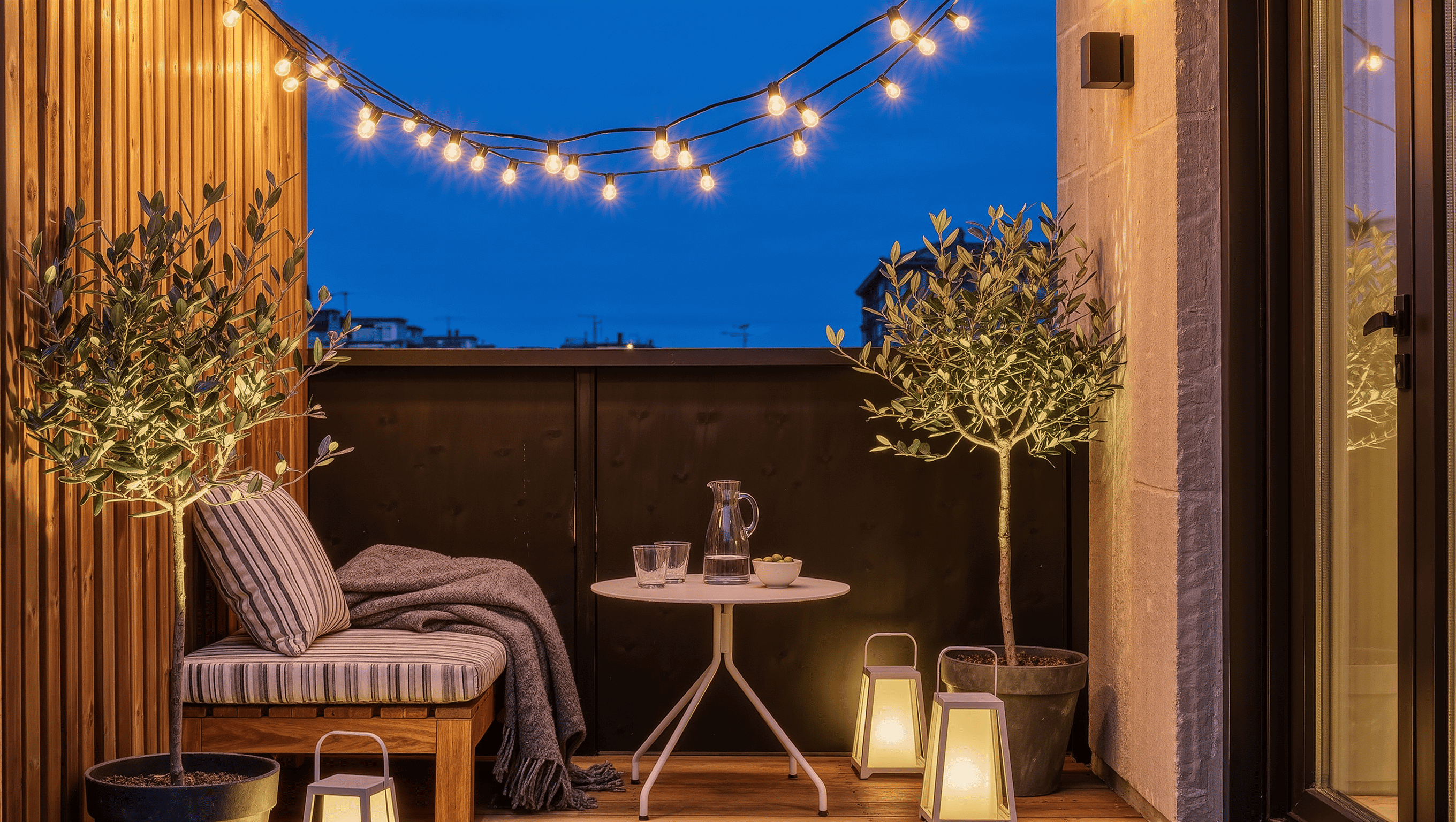
A patio that works beautifully at four in the afternoon can become a black rectangle with chairs after sunset.
Outdoor lighting is not the final decorative sprinkle. It decides whether people can find the step, see one another’s faces, serve food, locate a drink, and remain outside once daylight stops doing the work.
Light the route first
Identify doors, stairs, level changes, edges, and the path between the house and main seating. These need clear, comfortable visibility without glare blasting into people’s eyes. Fixtures and placement must suit outdoor ratings, exposure, and local electrical requirements.
Permanent electrical work belongs with a qualified professional. Solar and rechargeable lights can be useful for low-risk flexible layers, but follow product instructions and do not treat indoor-rated equipment as outdoor gear.
Put useful light where hands work
Dining, grilling, serving, reading, and games need more focused light than general conversation. Place task light so the person using the surface does not block their own illumination.
Cooking equipment also brings heat and fire considerations; keep fixtures, cords, fabrics, and decorative elements clear according to manufacturer and safety guidance.
Light faces without interrogating them
Conversation feels better when light arrives from the side or from lower, shielded sources rather than one harsh point directly overhead. Lamps, wall fixtures, lantern-style sources, or carefully placed overhead strings can create enough facial light while preserving the night around them.
Let planting and boundaries catch some light
A small amount of light on foliage, a wall, or an overhead plane gives the outdoor room depth. You do not need to illuminate every plant. One softly lit boundary can make the entire space feel more contained.
Avoid excessive uplighting and spill into neighboring properties or the night sky. Use shielding, timers, and only as much output as the task requires.
Build scenes, not one switch
Create at least two useful modes: brighter for setup and eating, lower for conversation. Portable sources can make this easy. Timers or smart controls may help, provided the equipment is compatible and safely installed.
See Outdoor Rooms and Lighting for related guidance.
Walk the patio in the dark
After sunset, turn off the indoor spill light and use the patio as a guest would. Approach from the door. Sit in every seat. Carry a plate. Find the step. Look back toward the house. Notice glare, black holes, and places where the light source is more visible than the thing it is meant to illuminate.
The patio is finished after dark when the route feels legible, faces feel warm, useful surfaces work, and the night still feels like night.


