Light hierarchy
Ambient, task, accent, and natural light establish the room’s pace before decoration speaks.

Atmosphere · The part you feel first
Atmosphere is what light, colour, pattern, texture, scent, planting and scale do together. Room for Drama treats it as a design system you can observe, adjust, and return to baseline — not a pile of seasonal objects.
The atmosphere rule
Atmosphere earns its place when it supports the room’s actual use: softer light where conversation needs intimacy, stronger task light where work happens, texture that adds depth without turning reset into a chore, and planting that shapes a boundary instead of blocking one.
Seasonal shifts should also know how to leave. A useful atmosphere plan includes what changes, what stays, and how the room returns to baseline when the moment is over.
Build the feeling deliberately
Ambient, task, accent, and natural light establish the room’s pace before decoration speaks.
Texture, reflection, softness, weight, and contrast decide whether a room feels flat or held.
Plants, curtains, screens, shelving, and thresholds create enclosure and rhythm without construction.
Shift scent, textile weight, light level, flowers, and small objects while keeping the room’s core identity intact.
The seven levers
People reach for colour when the problem is light, and for candles when the problem is scale. Atmosphere is legible once you know which lever controls which sensation.
Day and evening
A room has at least two atmospheres and most people only ever design one of them. Here is the same living room at three in the afternoon and nine at night, lever by lever.
Atmosphere pathways
Go straight to the studio for a guided seasonal plan, study light as a system, or use plant rooms when greenery needs to behave like architecture instead of decoration.
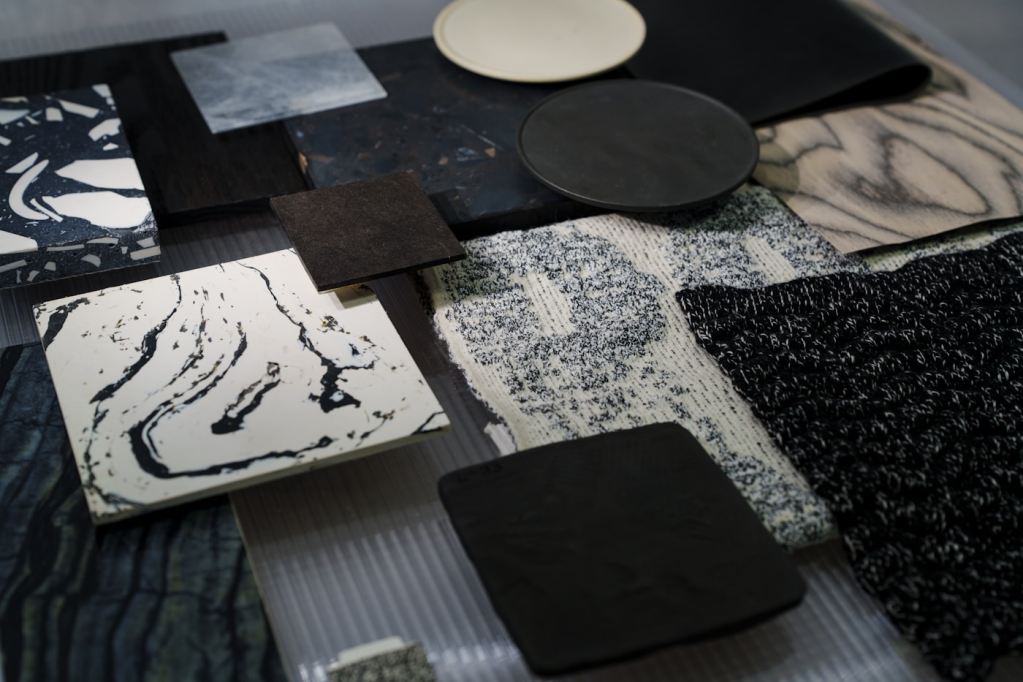
Interactive plan
Build a seasonal cue sheet, test a mood shift, and keep a return-to-baseline path inside Room Lab.
Enter →Light
Read brightness, contrast, hierarchy, glare, and evening behaviour before adding another decorative lamp.
Enter →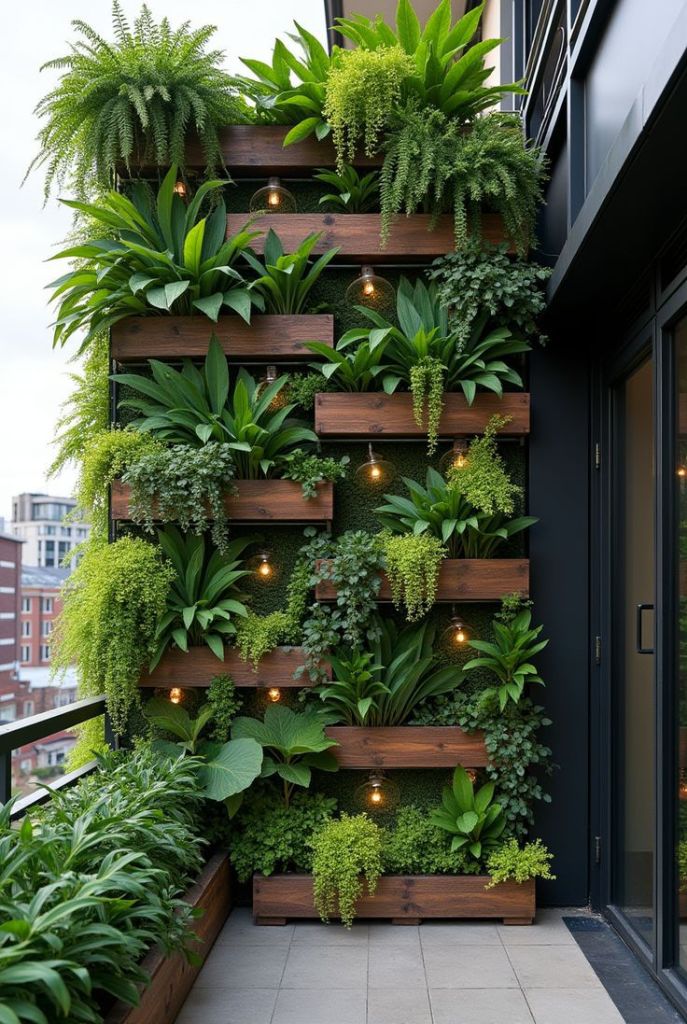
Living structure
Use green as enclosure, threshold, canopy, privacy, rhythm, and a reason for the eye to travel.
Enter →Go further
Atmosphere is the layer people add last and regret first. These routes cover how to change it on purpose, how to keep it from becoming clutter, and where to look for rooms worth studying.
The same room, four different years.
Maximalism is an argument, not an accumulation.
Look closely at rooms that already do this well.
Atmosphere in the wild
The newest published work appears here as a living layer of examples. Use it to notice systems and decisions, not to copy a finished room wholesale.
Oct 2026
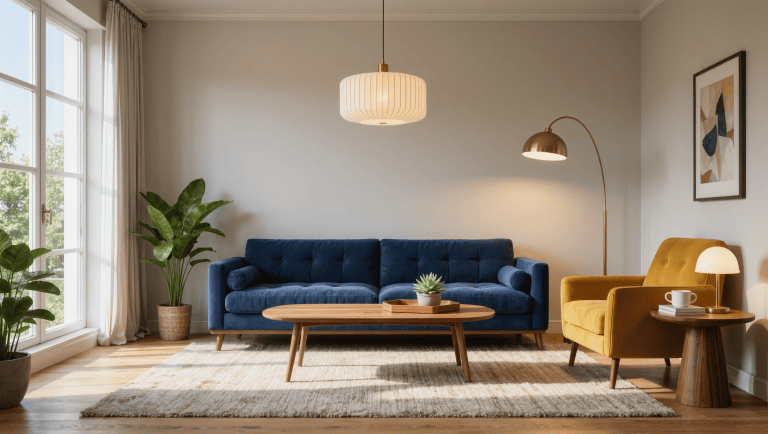
One ceiling fixture cannot read, flatter faces, guide circulation, support cleanup, and create atmosphere at the same time. Split the jobs before you buy…
Read the file →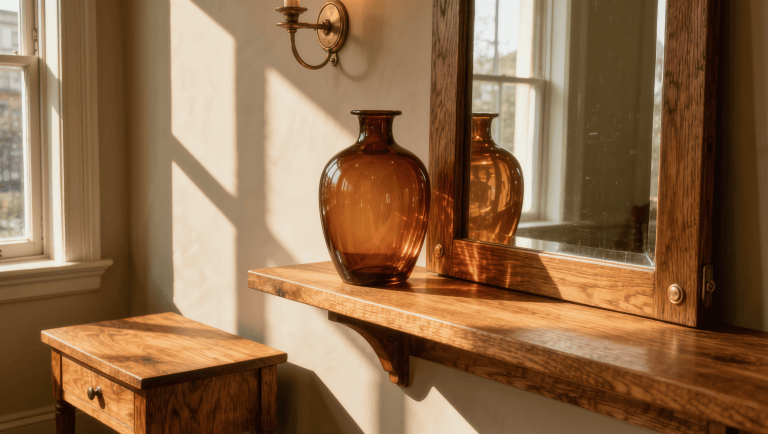
Sep 2026
When a room has no personality, more accessories can make the problem louder. Repetition gives color, material and shape enough authority to become a…
Read the file →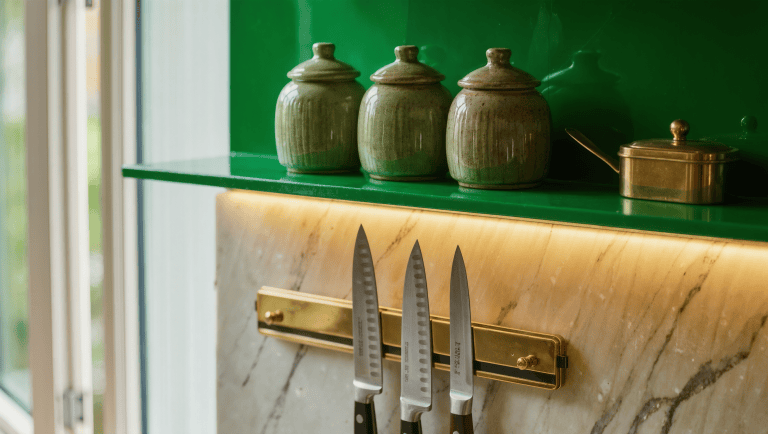
Sep 2026
That awkward gap above kitchen cabinets is not automatically display space. Decide whether it earns cleaning, lighting, enclosure, or the luxury of being left…
Read the file →
Ready to tune the room?
Atmosphere Composer turns the feeling into a small experiment: define the desired shift, choose a cue, observe the room in use, and keep a clear route back to baseline.