Measure what changes a decision
Clearances, reach, scale, light positions, and use periods matter more than collecting dimensions for their own sake.

Reference Room · Durable design knowledge
The Reference Room holds the material that should outlast a trend cycle: spatial definitions, measurement logic, light, scale, material behavior, and the limits of what an editorial recommendation can establish.
What belongs here
Use this desk when you need the reasoning underneath an article: what to observe, what to measure, which terms mean what, and where a room problem stops being an editorial design question.
References can sharpen judgment without pretending to replace site-specific professional review. Unknowns remain unknown until they are measured, verified, or handed to the right qualified person.
Reference disciplines
Clearances, reach, scale, light positions, and use periods matter more than collecting dimensions for their own sake.
Record what is observable before turning it into a diagnosis or aesthetic conclusion.
Light, storage, furniture, and materials are judged by the job they perform together.
Structure, code, electrical, moisture, accessibility, and other professional boundaries stay explicit.
The shelves
A reference earns its shelf when it ends a recurring argument rather than starting a new one. These are the six that come up in almost every room.
Reference shelves
Method, light, and scale recur across almost every room. These three shelves are the fastest way to move from a vague feeling to a usable observation.

Method
How Room for Drama separates observation, inference, constraints, reversible tests, and professional boundaries.
Enter →Light
Brightness, contrast, glare, hierarchy, time of day, and the way light changes a room’s behavior.
Enter →
Scale
Proportion, circulation, reach, visual weight, and why furniture should answer the room instead of crowd it.
Enter →Where the durable material lives
The reference room is a route into the parts of this site meant to outlast a trend cycle: how a room gets read, what is worth measuring, and where a design question stops being one.
Observation before diagnosis, diagnosis before purchase.
The numbers that change a decision, and the ones people repeat without checking.
The handoff points, stated rather than buried.
Reference in practice
Recent case work appears here so you can see the principles under pressure in real room problems. Keep the definitions above as the part worth carrying forward.
Nov 2026
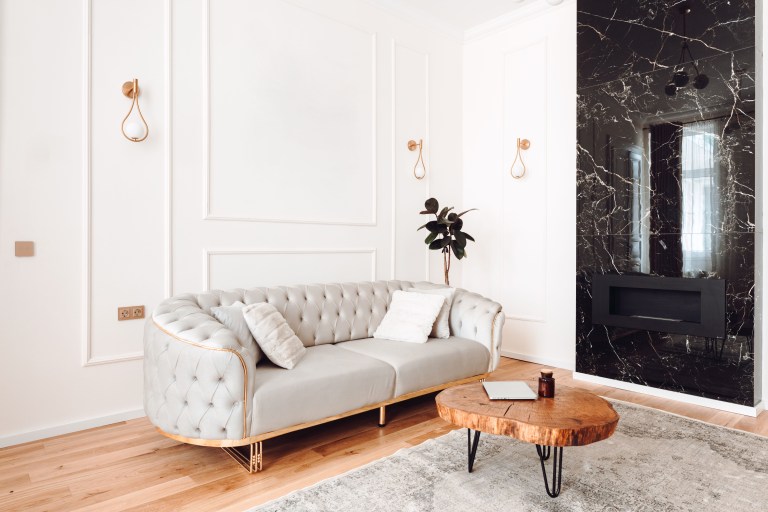
The moment a sofa floats away from the wall, its back becomes architecture. That does not mean it automatically needs a console table behind…
Read the file →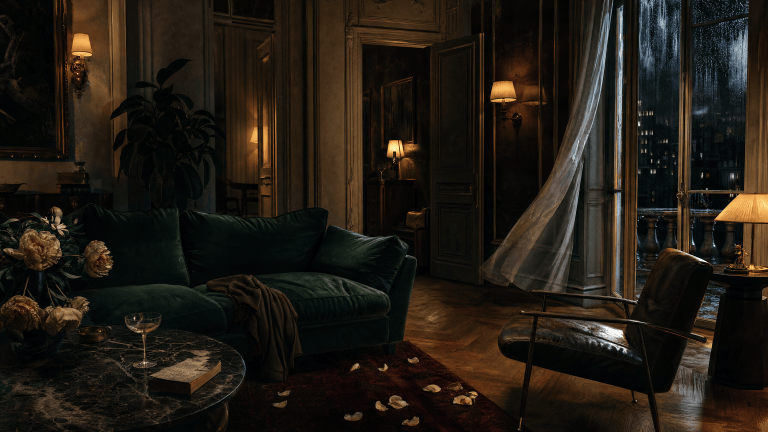
Oct 2026
A room can win the photograph and fail the Tuesday. Test circulation, reset burden, lighting, storage, scale, materials, and whether anyone can actually live…
Read the file →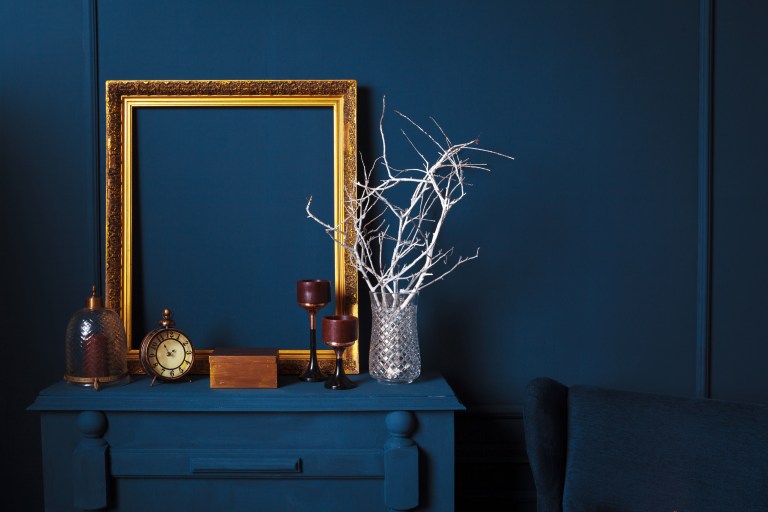
Oct 2026
A large room does not automatically need another chair, another table, or a decorative object in the middle. Empty space can be the thing…
Read the file →
Take it into the room
Bring the principle into a real space by starting its Room Record, or read the room when it needs a guided diagnosis rather than another article.