Function and Flow
Renter-Friendly Design Moves With the Permanent Consequences Removed
Make a rental feel intentional with removable color, lighting, textiles, furniture, hardware, and freestanding storage while checking lease terms, surface compatibility, and safe installation.
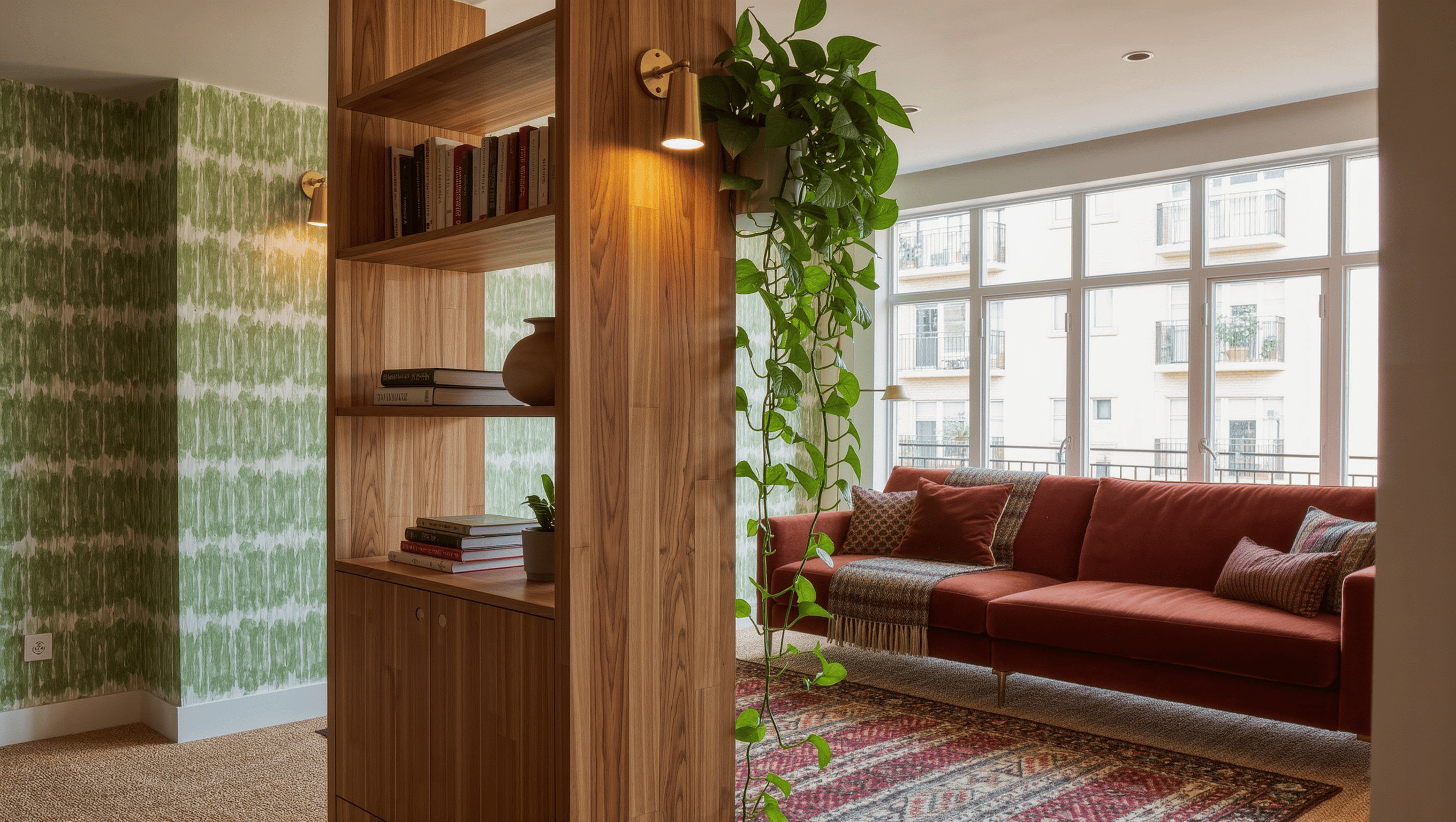
Renter-friendly design is not code for temporary-looking.
The useful distinction is reversibility. A renter can make strong decisions about color, light, furniture, textiles, storage, art, and atmosphere without creating consequences that belong to the landlord—or losing a deposit because a weekend project became structurally ambitious.
The best renter moves feel intentional while remaining easy to undo.
Start with the lease, not the inspiration board
Before mounting, painting, drilling, changing fixtures, or applying anything adhesive, check the actual lease and building rules. Permissions vary widely.
If approval is required, get it in writing. Do not assume a project is acceptable because a social-media caption called it renter-friendly.
Reversible is a design property. Permitted is a legal one. You need both.
Use furniture to create architecture

Freestanding bookcases, cabinets, wardrobes, screens, sofas, and tables can create zones, storage walls, and visual boundaries without construction.
A tall cabinet can give a blank wall scale. A sofa back can define a living zone. A wardrobe can create a sleeping alcove in a studio.
Use Layout and Flow to make sure the temporary architecture does not create permanent circulation problems.
Paint can be reversible when permission allows
Paint is one of the highest-impact changes available, but only when the lease permits it and restoration requirements are clear.
If repainting on move-out is required, factor that labor and cost into the decision. A saturated room can still be worth it; just do not treat the exit as someone else’s problem.
Test color in the actual light using Color Decisions That Survive Morning, Afternoon, and Night.
Large textiles can change more than walls
Full-height curtains, rugs, upholstered headboards, fabric panels, and bedding can introduce color and scale without changing the building.
Use textiles to soften acoustics, hide a less-than-thrilling floor, create a focal wall, or give a studio apartment zones.
Choose hanging methods appropriate to the building and permission level. A reversible textile is not helpful if its hardware creates damage you were not allowed to make.
Lighting is one of the best renter levers
Floor lamps, table lamps, plug-in wall lights, and portable sources can change a room dramatically without touching fixed wiring.
Build layers: one source for general orientation, one for tasks, one or two lower sources for atmosphere.
Use Lighting to fix the light pattern before blaming beige walls for everything.
Replace portable hardware before fixed hardware
Furniture knobs, removable lampshades, shower curtains, curtain rods where permitted, and freestanding mirrors can change the room without altering the building.
Keep original parts labeled and stored safely when you swap anything that belongs to the property.
If a change involves wiring, plumbing, or installed building components, get proper approval and qualified help.
Use art at real scale
Renters often under-decorate walls because they fear damage. The result can be a room full of furniture with no vertical authority.
Use permitted hanging methods, leaning art where stable and appropriate, or one large piece instead of many small holes. The goal is not avoiding the wall; it is using it intelligently.
Freestanding storage should look like a decision
A rental may lack built-ins, but that does not require a fleet of plastic containers along every wall.
Choose a substantial cabinet, wardrobe, shelving unit, or chest that fits the inventory and room scale. Closed storage can make mixed categories visually quiet.
Use Storage and Working Zones to place storage near the activity it supports.
Cover the ugly only when covering helps
A strange floor, bland wall, or dated cabinet can sometimes be visually reduced with rugs, curtains, freestanding furniture, or removable treatments where permitted.
Do not cover an issue that affects safety, moisture, ventilation, electrical function, or maintenance. If the building condition is genuinely problematic, report it rather than styling around it.
Temporary wallpaper and adhesive products are not universally harmless
Removable products can still damage paint, drywall paper, veneer, or finishes depending on the surface, age, humidity, product, and removal method.
Follow manufacturer guidance and test in an inconspicuous area where permitted. “Peel and stick” describes the application, not a guarantee about every wall on earth.
Use one bold move instead of many temporary-looking ones
A large rug, strong curtain, monumental artwork, dramatic lamp, or confident furniture arrangement can make a rental feel authored without layering several small products marketed specifically as rental hacks.
Temporary should describe how the change leaves, not how tentative it looks while you live with it.
Buy furniture that can survive the next address
When possible, favor pieces with adaptable dimensions, modularity, or broad usefulness. A narrow cabinet, good chair, table with leaves, or freestanding shelving may work in several future rooms.
Do not force every purchase to be universally portable. The current home deserves design too. Just avoid highly specific furniture bought to solve a rental quirk that cannot travel.
Document the original condition
Photograph walls, floors, fixtures, and any existing damage before changes. Keep receipts, approvals, and original hardware together.
This is practical move-out planning, not paranoia. Reversible design works better when you can actually reverse it.
Design minus the permanent consequences
Renter-friendly design should feel like design with the permanent consequences removed. Use furniture, textiles, light, art, color where permitted, and disciplined storage to change the room substantially without pretending you own the structure.
The goal is not to live cautiously. It is to know which parts of the room you are allowed to be bold with.


