Room for Drama
Organization
What has an address, what is allowed to stay visible, and what the room looks like after a normal week rather than after a photograph.
On this page
4
Organization is spatial design with consequences. Hiding every object is a fantasy best left to hotel suites. The real work is deciding what should remain visible, what needs a precise home, and how the room resets without becoming a second job.
Everything that moves needs an address
An address is a specific place, and a basket rarely qualifies. It sits close to where the object is used, somewhere a tired person can find without making a decision. Keys by the door, not in the kitchen. Scissors where the parcels get opened. When something has no address it does not go missing — it lands on the nearest horizontal surface, and that surface quietly becomes the household filing system. Then somebody buys another basket, and the basket has no address either.
- The Drop Zone Is Becoming Part of the Architecturewhat it takes to absorb bags, shoes, mail, charging, and pet gear on purpose instead of by accident.
- The Entry Drop Zone That Refuses to Become a Clutter Shrineread the pile as evidence of an unfinished arrival sequence rather than a character flaw.
- Build One Utility Wall and Stop Scattering the Householdpulling charging, mail, cleaning tools, and keys off six rooms and onto one.
Decide what is allowed to stay visible
Open storage is not a moral position. It is a maintenance contract. Anything on display has to stay arranged, get dusted, and look like it meant to be there — and a shelf of things that merely ended up there reads as noise no matter how good the shelf is. Doors do not automatically fix it either. A wall of cabinets can make a small room feel heavier than the objects ever did, and closed storage is where things go to be forgotten and rebought. Decide shelf by shelf, not room by room.
- Open vs. Closed Storage: A Seven-Day Observation Trackera week of watching what you actually reach for, which settles the argument faster than any opinion about it.
- Closed Storage Can Still Make a Room Feel Loudwhy the doors did not calm the room down, and what to test before ordering more of them.
- Your Shelves Are Displaying the Maintenance Burdenopen storage makes every object part of the room’s visual system, whether it earned that or not.
Reach decides what survives
Prime real estate is the band between hip and shoulder, and it is far smaller than anyone plans for. Daily things go there. The archive goes above eye level, where retrieval costs a stool and therefore stays honest about how often you really need it. Anything you have to edge around fails on different grounds entirely: storage that narrows the route through a room has stopped earning its footprint, however much it holds.
- Store Up High, Live Down Low: The Two-Level Storage Rulesplitting a room into a daily zone and an archive zone so the two stop competing for the same shelf.
- The Linen Closet Is a Volume Problem, Not a Folding Problemsorting by frequency, container size, and shelf height instead of by folding technique.
- Storage That Blocks Circulation Is Clutter Wearing a Cabinetthe point at which retrieval and movement cost more than the original mess did.
The test is a normal Thursday
Photograph day proves nothing. The real measure is what the room looks like after an ordinary week — coats in, mail in, half a project still spread on the table — and whether fifteen minutes puts it right again without anybody rearranging shelves. If the reset takes an hour, the system is wrong, not the household. Build systems that support real habits instead of demanding a new personality.
- The Room Reset That Survives Real Lifewhy the beautiful reset collapses in week two, and what has to be designed in so it does not.
- Labels Before AI, Pleasethe friction technology can genuinely remove, and the far cheaper thing to try first.
The basket still needs an address.
More rooms where the filing system was a horizontal surface nobody chose.
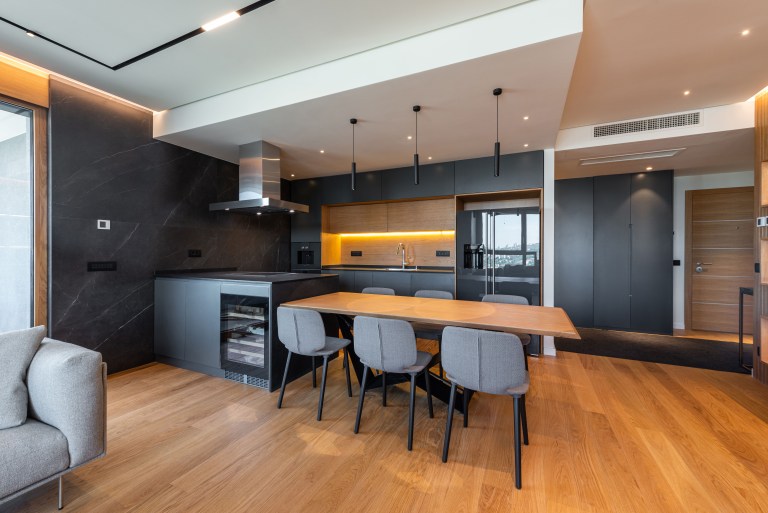 Awkward SpacesYour Old Floor Is Allowed to Be Crooked
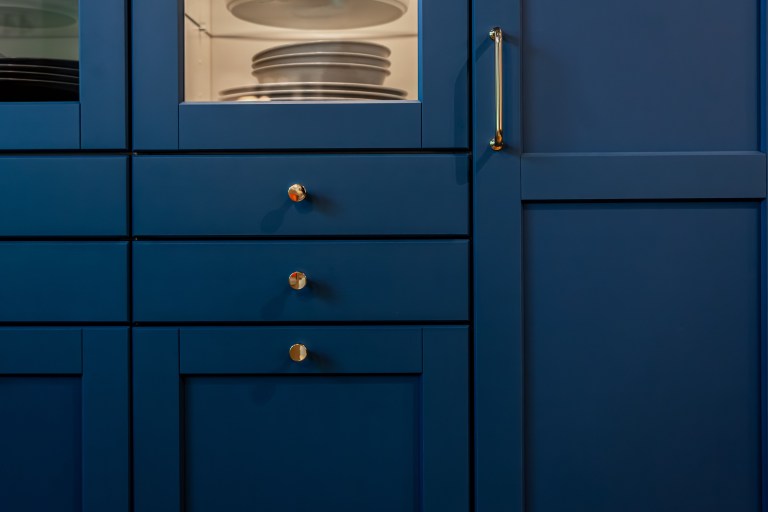 Function and FlowDecide Where the Phones Sleep Before the Cords Decide for You
 Furniture and ScaleBedside Tables Do Not Have to Be Twins
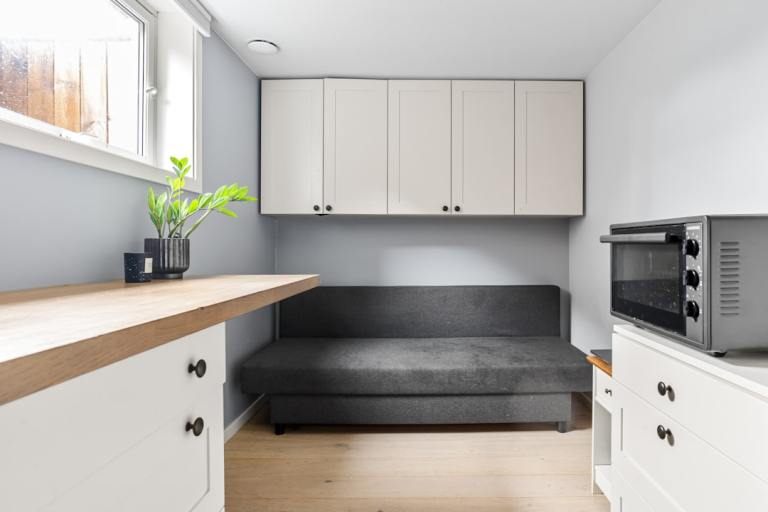 Awkward SpacesThe Space Under the Stairs Wants a Secret Life
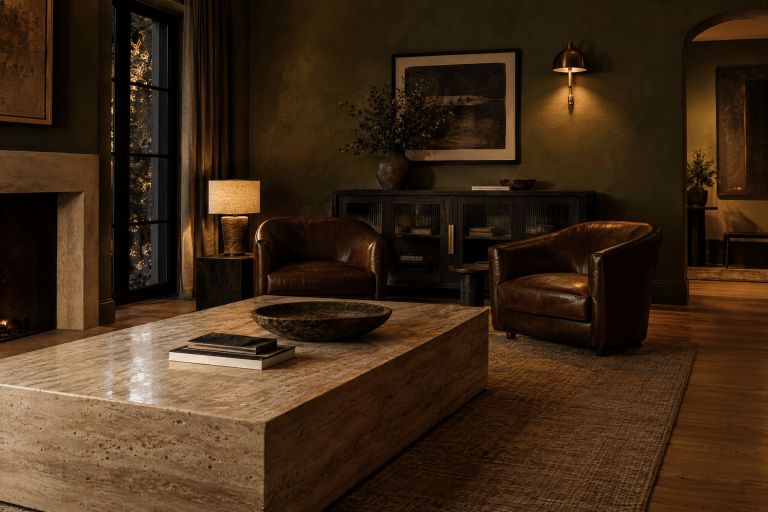 Function and FlowThe Room Is Clean. Why Does It Still Look Busy?
 Furniture and ScaleThe Guest Room Has Most of the Year Off. Give It a Second Job.
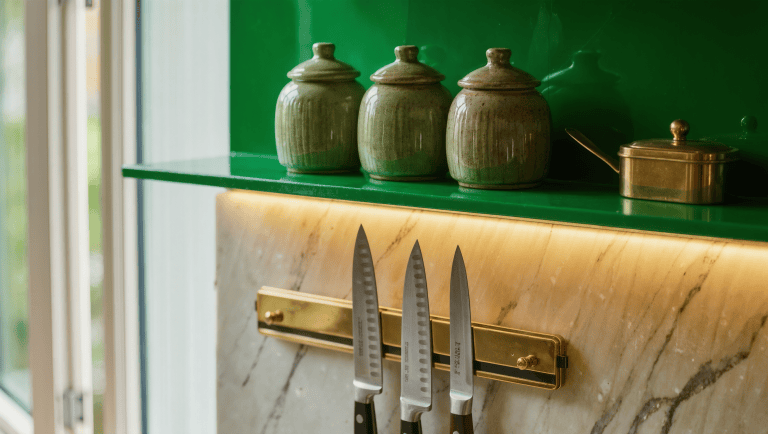 Awkward SpacesThe Ledge Above the Cabinets Is Collecting Grease, Not Ideas
 Function and FlowToy Storage Is a Return Trip, Not a Basket
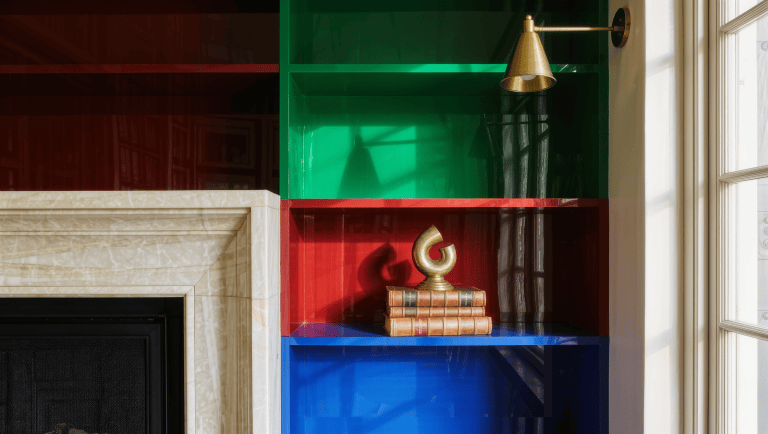 Function and FlowThe Nursery That Has to Become an Office in Five Years