Furniture and Scale
Your Shelves Are Displaying the Maintenance Burden
Open storage turns every stored object into part of the room’s visual system.
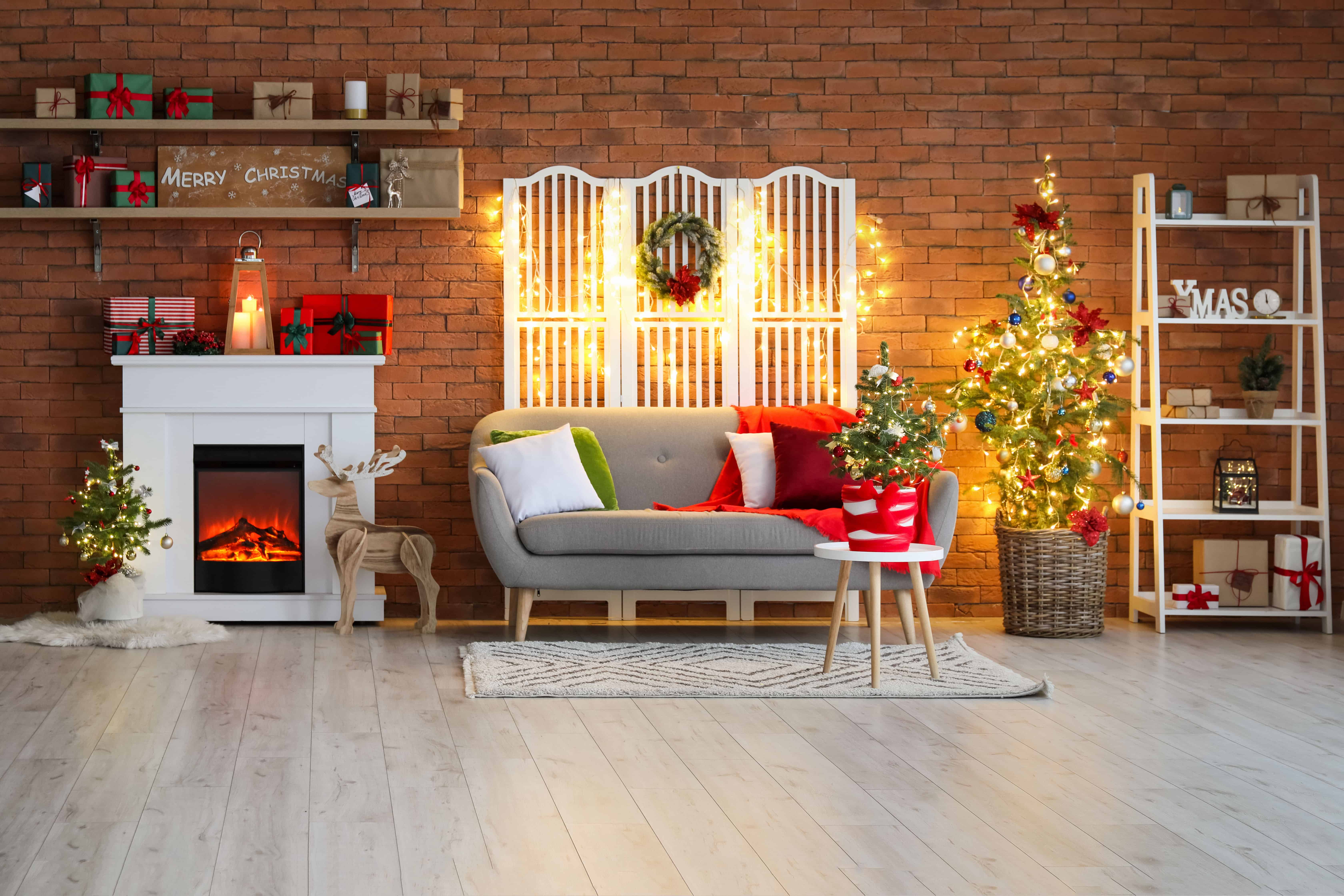
Open shelves do not only display books, bowls, and objects. They display the maintenance contract: dusting, editing, straightening, cleaning behind, controlling visual density, and deciding what happens when ordinary life puts something ugly there for three days.
If the shelf only looks good immediately after styling, the system may be asking for more labor than the room deserves.
Decide whether the shelf is storage or display
A shelf can do both, but one purpose should lead. Storage prioritizes access, capacity, and reset. Display prioritizes composition, spacing, and visual hierarchy.
Problems begin when high-frequency storage is styled like a still life and every use destroys the arrangement—or when a display shelf quietly absorbs household overflow until the composition disappears.
Name the job before judging the look.
Open storage works best for objects that tolerate visibility

Books, attractive tools, frequently used dishes, plants, and certain collections can be practical in the open. Cables, paperwork, mixed small items, and visual miscellany often create more noise than value.
Visibility should help the behavior, not create a permanent styling problem.
Dust is a design condition
Open shelves expose every surface and object. Kitchens add grease. Bathrooms add moisture. Entry areas add dirt. High shelves can be awkward to clean safely.
Consider the room and the cleaning frequency before expanding open storage. A beautiful bank of shelves in a dusty or greasy zone may become a chore system with excellent photography.
Maintenance belongs in the brief before installation.
Leave enough negative space to see the objects
Display shelves become visually exhausting when every inch is occupied. Negative space lets individual objects register and makes dusting less absurd.
This is especially important when the room already contains pattern, art, books, or strong color. The shelf does not need to carry the entire personality of the house.
Empty shelf space is not failure. It is visual punctuation.
Vary scale instead of adding more small objects
Many shelves become cluttered because they contain a field of similarly sized objects. One larger vessel, artwork, stack of books, or plant can create hierarchy more effectively than several additional small decorative pieces.
Compare the masses across the entire shelving unit. A few strong shapes usually hold the composition better than a collection of equal-volume accessories.
Scale edits faster than color coordination.
Give frequent-use items the easy shelves
Objects used daily should live at comfortable reach. Higher or lower shelves can hold display pieces or less frequent items.
Do not place the thing you use every morning behind a styled arrangement that has to be dismantled to reach it.
Accessibility is part of good styling because the room is supposed to survive contact with people.
Closed storage can support the open shelves
A combination of open and closed storage often works better than either extreme. The open area can hold the objects worth seeing and using, while drawers or cabinets absorb the visual miscellany and backups.
This lets the shelf stay intentional without requiring every household object to audition for public display.
The room does not owe transparency to its charging cables.
Collections need boundaries
A collection becomes more legible when it has a defined area and a capacity. Without a boundary, collecting expands across every available shelf and eventually becomes the architecture.
Choose the number of shelves, one cabinet, or one wall that belongs to the collection. Rotate if necessary rather than continuously expanding the footprint.
Editing can make the collection feel more important, not less loved.
Style for the reset, not the photograph
The arrangement should be simple enough that objects return naturally. If resetting the shelf requires remembering an exact stack height and three-object triangle, it may be too precious for daily life.
Use broad zones rather than tiny compositions: books here, large object there, tray for smaller items, clear space around the stronger pieces.
A resilient shelf can absorb a small disruption without looking abandoned.
Check the shelf from across the room
A shelf that looks balanced at arm’s length can read as visual static from the doorway. Step back and look at the unit as one large shape.
Where does the eye stop? Are there several equally busy shelves? Is all the dark visual weight on one side? Use larger gaps and stronger groupings to create rhythm across the whole unit rather than styling each shelf as an independent vignette.
Use the shelf edge as part of the composition
Books and objects pushed to the very front can make shelves feel flatter and denser. Small changes in depth can create shadow and visual layering, provided the objects remain stable and safe.
Do not use depth theatrically when it makes items hard to retrieve. The shelf still has to work as storage where storage is the job.
Know when the shelf is the wrong storage system
If the objects create visual noise, require frequent dusting, are difficult to reach, or constantly migrate away from the shelf, the system may need doors, drawers, bins, or another location.
Do not keep open storage because the room once looked good in a photograph. Storage should adapt to behavior.
The shelf-maintenance audit
- Primary job: Display, storage, or a defined mix?
- Visibility: Which objects genuinely benefit from being seen?
- Cleaning: How often will the shelf and objects need maintenance?
- Reach: Are daily-use items easy to retrieve?
- Density: Is there enough negative space for the objects to register?
- Scale: Are too many similarly sized pieces creating visual static?
- Reset: Can the arrangement recover without restyling the whole shelf?
Open shelves bill you weekly
Open shelves are not maintenance-free storage with better lighting. They are a visible system that needs clear purpose, manageable density, useful reach, and a realistic cleaning plan.
If the shelf looks wonderful only when nobody uses it, the maintenance burden is part of the design problem.
Use Storage and Working Zones for the larger storage framework or Furniture and Scale when the shelving mass itself is overwhelming the room.


