Room for Drama
Big Moves
Some rooms are not waiting for another cushion. They are waiting for one decision strong enough to make the smaller decisions easier.
On this page
5
Some rooms are not waiting for another cushion. They are waiting for a decision.
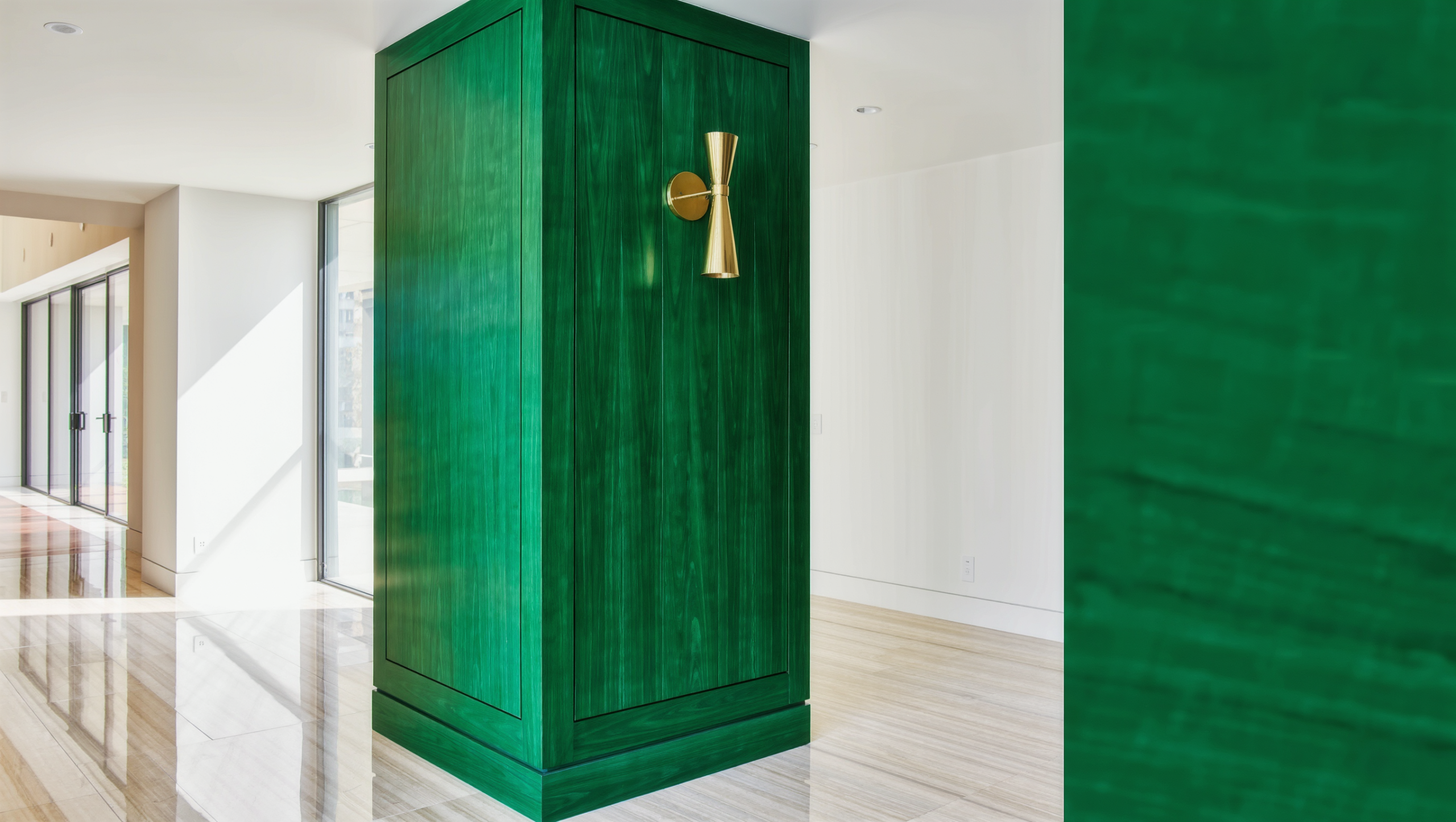
Not necessarily an expensive decision. Not even a permanent one. A ceiling with conviction, a wall of drapery, one enormous light, a library climbing into unused height, a saturated field of color, a screen that suddenly gives an open room a private edge—one move can do more than twelve careful accessories politely avoiding the real issue.
The room needs a lead, not a committee
Rooms get indecisive the same way meetings do. Too many medium-sized ideas arrive with equal voting rights. The pale wall. The reasonable rug. Three lamps trying not to offend anyone. Several decorative objects selected because the surface looked lonely. The sofa is then expected to carry the entire atmosphere by itself.
A big move changes the hierarchy. It tells the eye where to land and gives everything else permission to support instead of compete. That can be visual, spatial, material, or functional. A curtain can build a room more convincingly than another piece of furniture. One deep wall can make a collection make sense. A huge artwork can give a timid furniture group the scale it was missing.
Big is not the same thing as brave
An oversized object in the wrong place is still in the wrong place. The chandelier that blocks the view across the table is not daring. It is in the way. The giant sofa that destroys the only useful route has not earned immunity because it is beautiful.
Scale has to answer the room: sightlines, light, architecture, movement, maintenance, and what people actually do there. Drama needs proportion. Otherwise it is merely volume, and volume is easy.
Rehearse the consequence
Before the expensive version arrives, make the room argue with the idea.
Hang a full-size paper shape where the artwork would go. Pin cheap fabric across the span intended for drapery. Paint a sample large enough to reach a corner instead of judging a timid square in the middle of the wall. Tape the footprint of the screen, island, bookcase, or enormous chair and walk around it during the busiest part of the day.
If the move needs scale, clearance, light, or a second opinion before it becomes permanent, Room Lab exists for exactly that. A good dramatic idea does not become less exciting because it survived rehearsal.
When the room is not ready for drama yet
If nobody can explain what the room is supposed to do, start with Space Intelligence or Rooms With a New Life. If the route is bad, storage is fighting daily life, or the room requires a small domestic production every time it resets, the problem is not insufficient nerve.
Fix the thing the big move would otherwise be asked to disguise. Then come back.
One strong decision is enough
Big Moves is where color, scale, light, planting, textiles, furniture, art, storage, and architecture get permission to lead when the room can support it. “How can I make this more dramatic?” tends to end in a shopping cart. Ask something harder: what one decision would make the smaller decisions easier?
The clock that took the wall, the Lantern Lounge, and the day you realize you are probably a maximalist all make the same argument in different clothes: the room gets more interesting when something is finally allowed to mean it.
Give that thing enough room to work. Then stop adding witnesses.
Rooms with too much of it
When the problem is space, not the shortage of it.
Oversized rooms, high ceilings, and the leftover half nobody furnished.
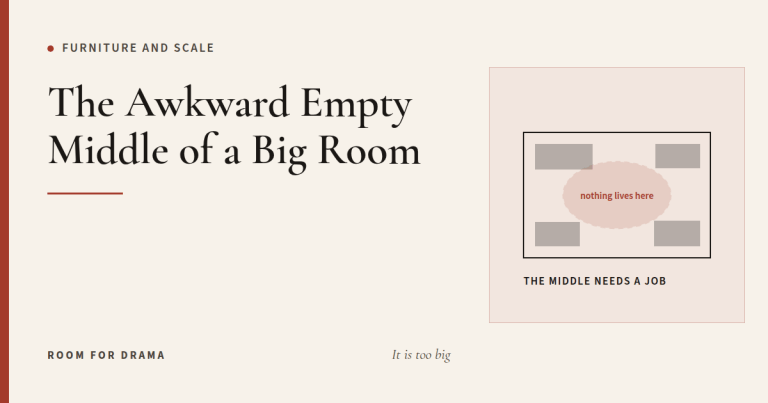 Furniture and ScaleThe Awkward Empty Middle of a Big Room
 Light and AtmosphereSculptural Lighting Should Still Know How to Light the Room
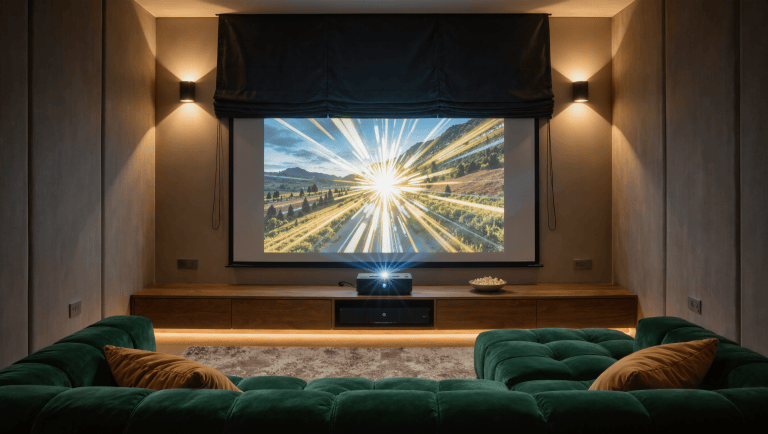 Multi-Use RoomsA Giant Screen Is a Lot of Roommate for a Small Media Room
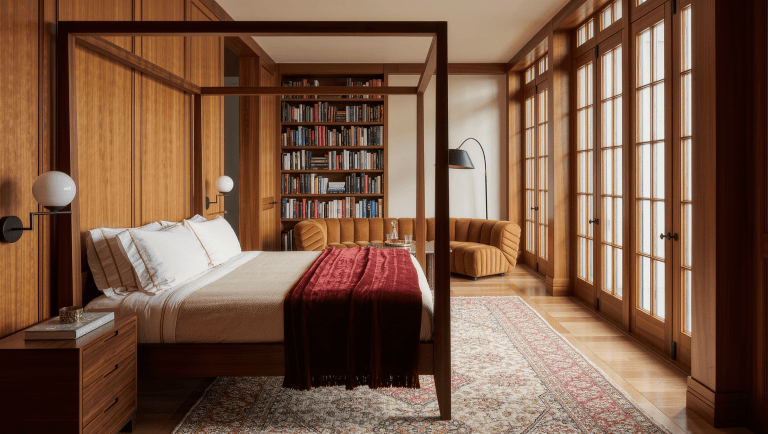 Function and FlowThe Huge Bedroom Needs a Second Room Without Another Wall
 Function and FlowOne Giant Sofa Cannot Do the Floor Plan’s Job
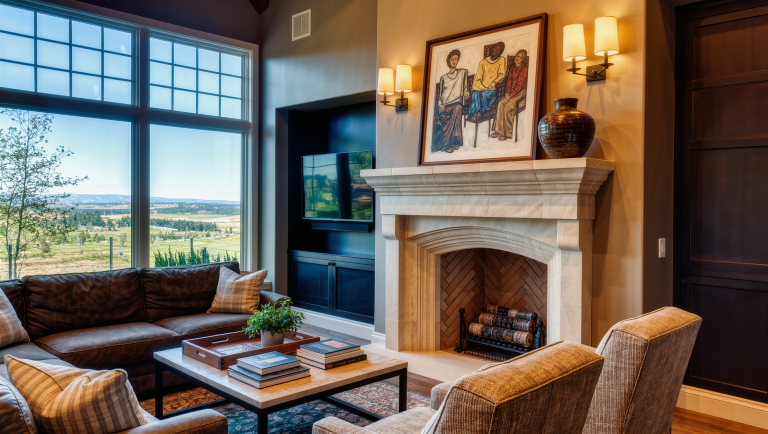 Awkward SpacesThe Fireplace, the View, and the TV Are Fighting
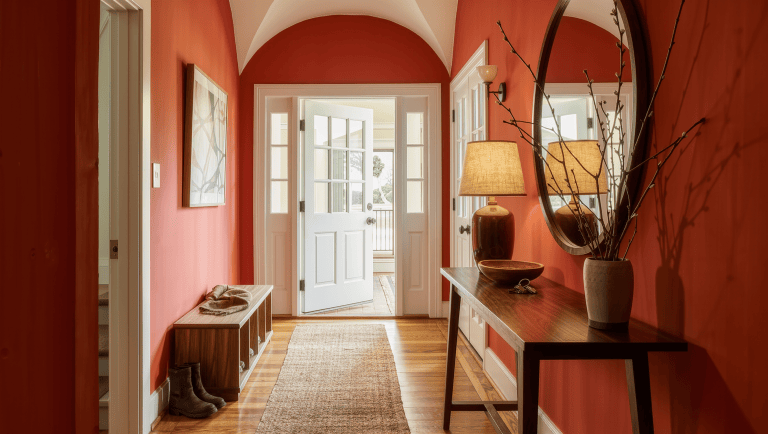 Awkward SpacesThe Grand Entry Is Starting to Look Like a Hotel Lobby
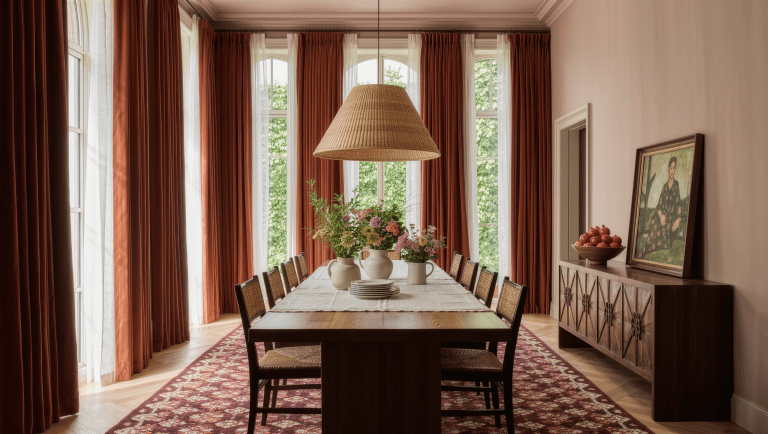 Furniture and ScaleYour Giant Dining Room Looks Like a Restaurant After Closing
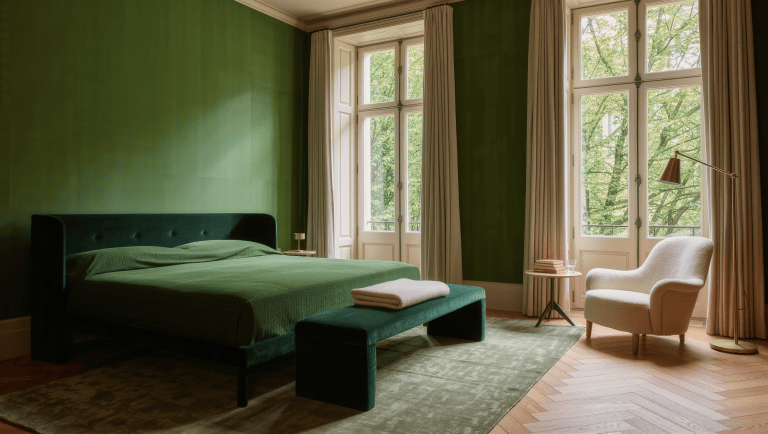 Function and FlowThe Huge Bedroom Needs More Than a Bed—But Not a Second Living Room