Materials, Color & Finish
When Decor Objects Become the Focal Point for the Wrong Reason
Small decor can steal attention when quantity, contrast, or placement overwhelms the room. Edit objects by scale, grouping, negative space, function, and relationship to larger elements.
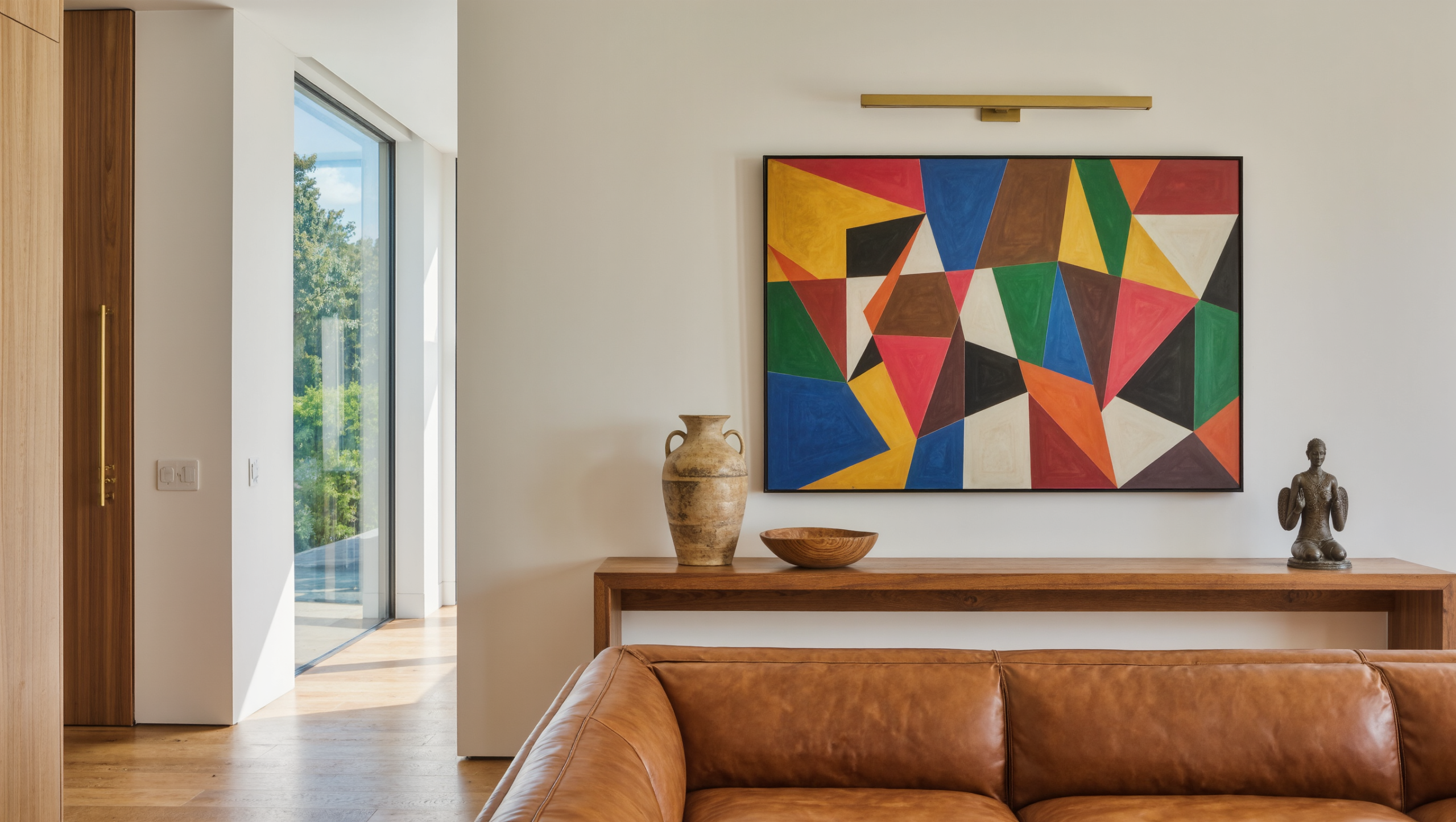
The bowl is very nice. It should not be running the living room.
Small objects become the wrong focal point when quantity, contrast, shine, height, or scattered placement makes them louder than the architecture and furniture. Good objects reward a closer look. They should not shout across the room until the sofa and architecture file a complaint.
The fix is a hierarchy strong enough that the small things can become discoveries again. Personality stays exactly where it is.
Find the accidental hotspot
Photograph the room from the doorway. Where does your eye jump first? A cluttered shelf, bright cluster, reflective tray, or line of tiny objects may be stealing attention from the element meant to lead.
Notice contrast. One bright white object on a dark cabinet may carry more visual weight than a larger object closer to the cabinet color. A polished metal tray can flash under a lamp and become more visually aggressive than the artwork above it.
The hotspot is often obvious in a photograph because the camera flattens the room and makes contrast easier to see.
Name the intended focal point
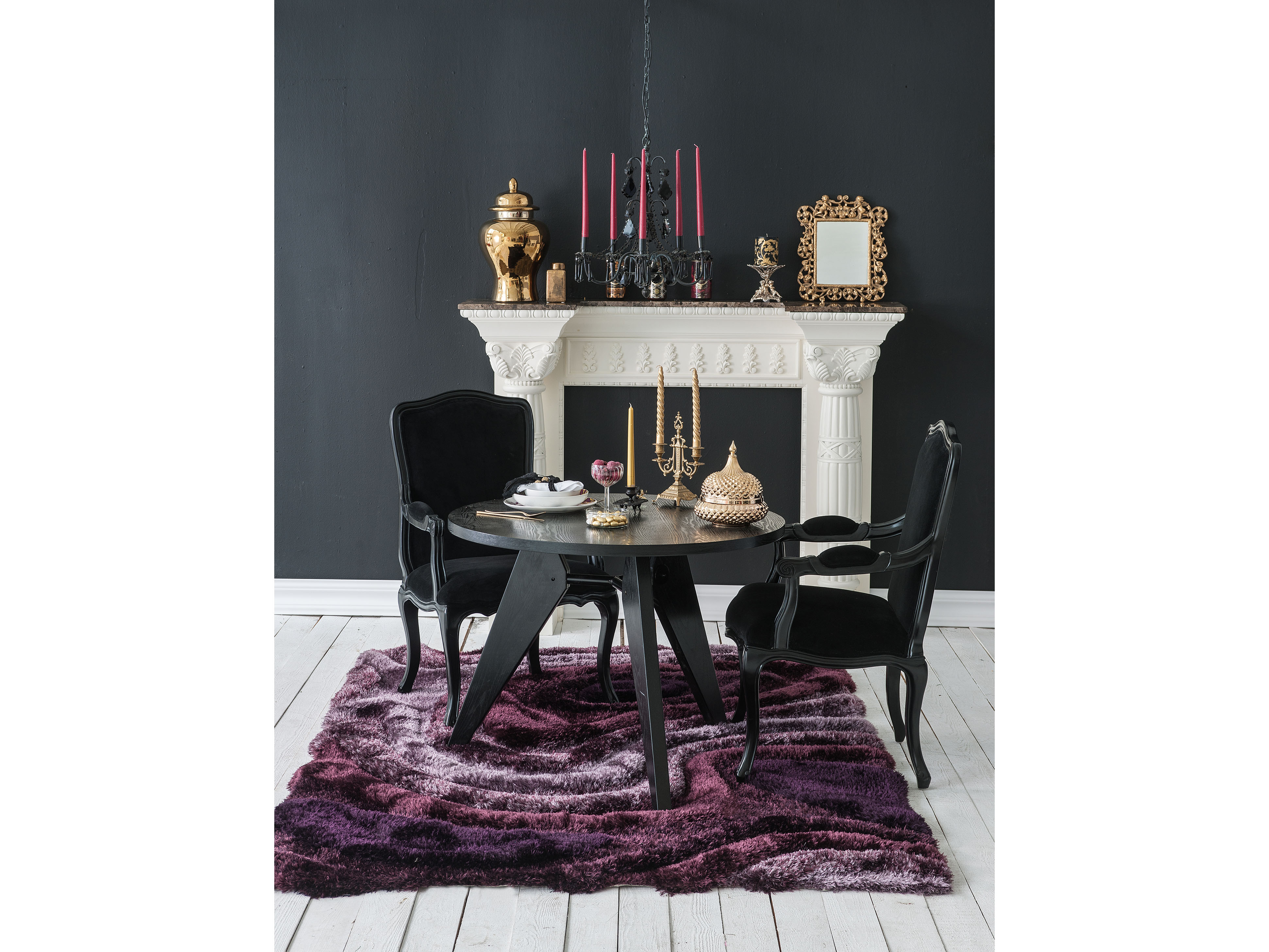
Before editing objects, decide what should lead: the fireplace, artwork, window, sofa group, built-in, material wall, or another major element.
If there is no answer, the small objects may be filling a vacuum rather than merely misbehaving. Strengthen one larger relationship first. A room with no hierarchy will keep recruiting accessories to manufacture interest.
Use Big Moves when the composition needs one stronger decision rather than more styling.
Group instead of sprinkle
Several small objects often read more calmly as one composition. Use shared material, color, subject, or purpose and leave breathing space around the group.
A tray, shelf bay, stack of books, or defined patch of surface can create a visual boundary so the group reads as one idea rather than a series of unrelated interruptions.
Grouping does not mean cramming every object together. It means making the relationship visible and letting the surrounding surface stay quiet.
Change scale before buying more
One larger artwork, vessel, lamp, plant, or sculpture can replace many small accessories and give the room a clearer hierarchy.
If a long console is covered with small objects, remove them and test one substantial piece near a lamp or artwork. The surface may have been asking for scale, not quantity.
Use Furniture Scale Check when the accessory problem is really a weak relationship between a large surface and undersized objects.
Keep useful surfaces useful
Do not style away the place where keys, drinks, books, a laptop, or a serving tray need to land. A room that must be cleared before it can be used is over-decorated.
Leave part of the coffee table, console, entry shelf, bedside table, or dining surface deliberately empty. That blank area is working capacity.
The surface should still know what room it is in after the photograph is over.
Use objects to support the focal point
Objects can echo the color, shape, material, or direction of the main element. A ceramic near artwork can repeat its tone; a lamp can illuminate the wall the eye should notice; books can extend the horizontal line of a cabinet.
The supporting objects do not need to match the focal point exactly. They simply should not start an unrelated visual argument.
Think supporting cast, not synchronized backup dancers.
Let personal meaning have room
Meaningful objects are often stronger when displayed with fewer neighbors. Give inherited, handmade, collected, or personally significant pieces enough negative space to be seen.
When every meaningful object is displayed simultaneously, meaning can disappear into quantity. Rotation is not rejection. It is a way to let individual pieces register.
Consider shine, reflection, and color temperature
Glossy metal, glass, mirrors, and high-contrast ceramics catch light and attract the eye. Warm metallics may intensify under evening lamps. Clear glass can disappear by day and flash after dark.
Use reflective objects in the part of the room where attention is welcome. Too many can create visual flicker, especially under several lamps.
Evaluate the room both in daylight and at night before deciding an object is visually quiet.
Vary height without building a skyline everywhere
Objects at identical heights can read like merchandise. Objects at wildly different heights can become a row of exclamation points.
Use one taller piece, one lower mass, and enough horizontal space to let the group settle. A lamp, vase, book stack, and small object can form a readable composition because their heights relate rather than compete.
One good arrangement is enough. Every surface does not need its own styling masterclass.
Remove duplicates in function and silhouette
Three decorative bowls, four candles, several small framed pieces, and multiple tiny plants may each be attractive and collectively become visual static.
Choose the strongest representative when objects are doing the same visual job. Store, relocate, or rotate the others. Editing by function is easier than asking which object you like least.
Rotate rather than display everything
Collections can stay important without all appearing at once. Rotation creates attention and reduces visual maintenance.
Store the off-duty pieces safely so the edit feels temporary rather than like a purge. A seasonal or quarterly rotation can keep the room fresh without requiring new purchases.
Discoveries, not traffic signals
Small decor is most powerful when it deepens the room after the main composition is already clear. Let the objects become discoveries, not traffic signals.
Fewer meaningful things is not the answer, and it never was. What the room needs is enough confidence to let the best ones speak without a crowd talking over them.
Same problem, elsewhere in the house
Room notes
Keep the room on the record.
One useful note at a time: what to test, what to ignore, and what changed when the room got another vote.