Light and Atmosphere
Lighting That Flatters Faces and Still Works for Tasks
Create room lighting that is flattering and functional by combining soft ambient sources, task light, controlled glare, good color rendering, and separate lighting scenes.
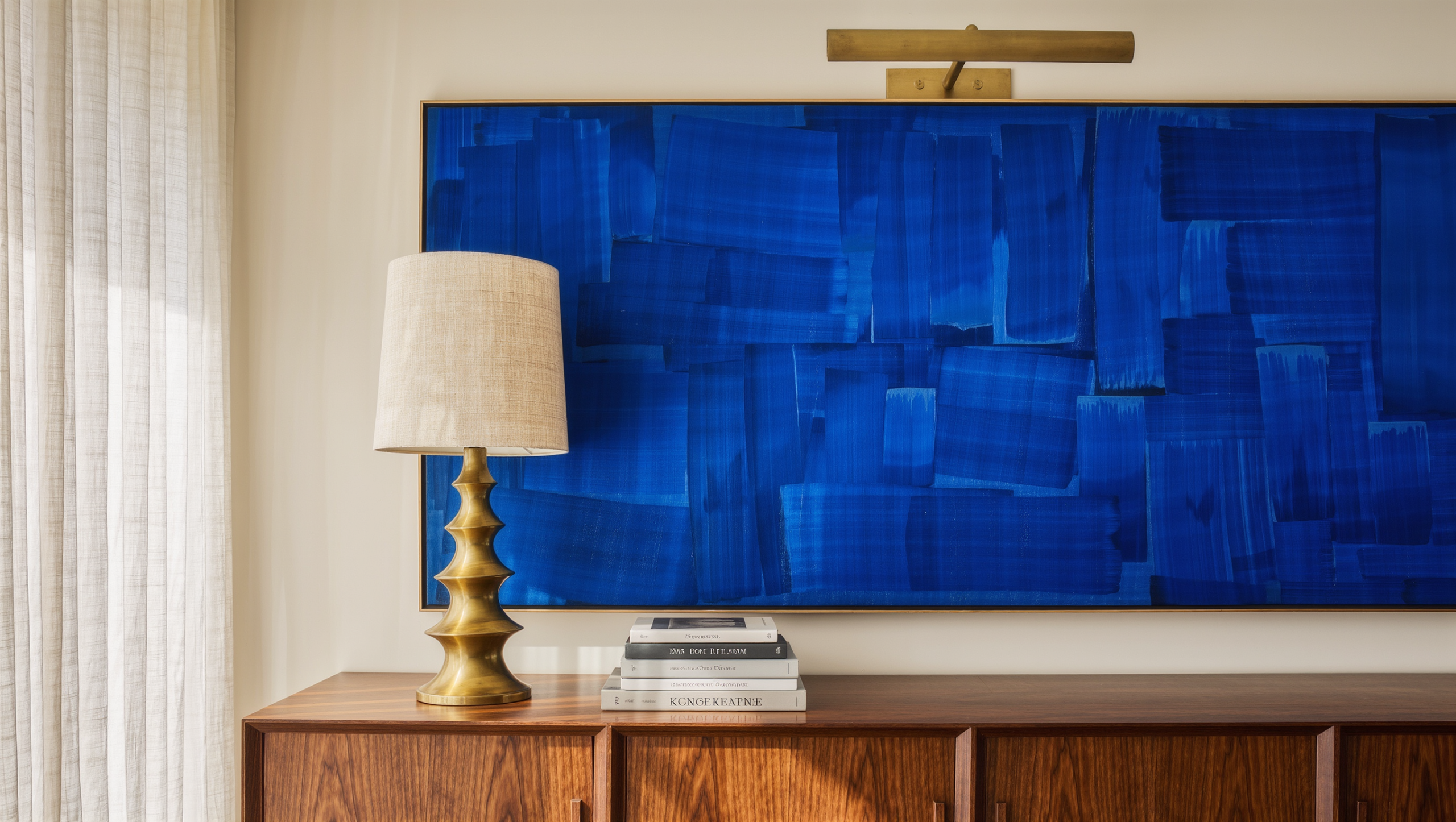
Flattering light and useful light are not enemies. They simply should not be asked to come from the same bare bulb in the middle of the ceiling.
A room can make faces look warm and readable while still providing enough light for books, food, work, makeup, games, or sorting laundry. The solution is hierarchy: broad comfortable light for the room, focused light for the task, and enough control that one mode does not have to impersonate the other.
Separate ambient and task jobs
Use softer, broader light to make the room and faces comfortable, then add focused sources where reading, cooking, dressing, or work needs more visibility.
A task light should illuminate the work itself rather than forcing the entire room brighter. A reading lamp belongs near the chair. Counter light belongs over the prep surface. Mirror light should reveal the face without turning the rest of the room into a clinic.
Keep glare out of seated sightlines
Visible bulbs, reflective shades, and bright fixtures at eye level can make an otherwise well-lit room uncomfortable. Sit where people sit and look toward each source before deciding placement is finished.
Also check screens, glass tables, mirrors, glossy artwork, and windows after dark. A light source can be physically out of the eye line and still create glare through reflection.
Light faces from more than one direction
Side lamps, wall light, reflected light, and multiple lower sources can soften shadows compared with a single source directly overhead. The goal is not flat shadowless light; some contrast is what gives a face and room dimension.
At a dining table or conversation area, one overhead fixture can establish the center while nearby lamps or wall light keep faces from falling into darkness.
Make the task brighter than the room, not the whole room brighter
When one person needs to read, sew, work, or sort something detailed, give that activity its own source. Increasing the general light level can destroy atmosphere for everyone else without solving the task as efficiently.
This is the difference between a layered room and a room with one emergency brightness setting.
Pay attention to color quality
Bulbs differ in color appearance and in how honestly they render skin, fabric, art, wood, and food. Choose compatible lamps for the task and the room, and test them in the space rather than trusting the box. The packaging is describing the bulb. Your room is the thing being described.
Mixing very different bulb colors in one sightline makes a room feel disjointed, and it is the commonest reason a carefully chosen scheme looks faintly wrong without anyone being able to say why. Variation is fine when each source has its own job. The main conversation area is not the place to experiment; get that one family consistent and the rest of the house will forgive a great deal.
Put the source at the right height
A table lamp that is too low may put the bright bulb directly in view. A floor lamp that is too high or far behind a chair can miss the page. A pendant too low may obstruct sightlines; too high and it may lose intimacy.
Test from actual sitting and standing positions. Fixture dimensions, table heights, and bodies vary too much for one universal placement number.
Use reflected light for softness
Light bounced off a pale wall or ceiling can create a broader, gentler field than a source aimed directly at faces.
This is useful in conversation rooms and bedrooms where a bright point source feels harsh. Move a lamp closer to a wall or use an uplight before assuming you need more fixtures.
Create scenes
Brighter task mode and lower conversation mode can use the same fixtures with separate switching or compatible dimming. A useful evening scene might keep task light near one reader while the rest of the room settles into lower ambient light.
Fixed wiring should be handled by qualified professionals. Dimmers, bulbs, and fixtures need to be compatible with one another.
Use shades and surfaces as part of the light
A pale shade may spread light; a dark opaque shade may direct it. A light wall can reflect a lamp into the room; a dark textured wall may absorb much of it. The fixture is only one part of the system.
Move a lamp closer to a reflective wall or change the shade before assuming the room needs a stronger bulb.
Check dining light from every seat
A fixture that flatters one side of the table may put another person under a hot spot or leave someone in shadow.
Sit in each regular position. Look at faces, food, glass reflections, and the fixture itself. Dining light has to work around the whole table. The doorway view is a preview, not the meal.
Make vanity light truthful without becoming cruel
Grooming and makeup benefit from even light near the face rather than a single source directly overhead.
The goal is accurate, comfortable visibility. Avoid strong color casts or deep shadows that make the mirror less useful.
Moisture-prone locations and fixed wiring require appropriate fixtures and qualified installation.
Keep television and screen glare controlled
Conversation light can reflect in screens even when the television is off. Place lamps so reflections do not dominate the view or make screen use uncomfortable.
This does not mean darkening the whole room. Often one shade adjustment or relocation solves the reflection while keeping faces lit.
Keep routes readable
Flattering low light still needs to reveal steps, thresholds, furniture edges, and controls. Where low vision or mobility is relevant, useful contrast and consistent route lighting matter more than preserving dramatic shadow.
See Lighting and Light and Atmosphere.
Read the fine print, keep the evening
Flattering light gets treated as the indulgent half of this and useful light as the responsible half. It is the wrong way round. A room where nobody can read a label is not atmospheric, it is annoying; a room lit like a parking garage is not practical either, because people stop sitting in it.
One lamp, near the job, on its own switch. Most of the distance between those two rooms is covered by that single move, and it costs considerably less than replacing the ceiling fitting you had been blaming.
Same problem, elsewhere in the house
Room notes
Keep the room on the record.
One useful note at a time: what to test, what to ignore, and what changed when the room got another vote.