Furniture and Scale
When Small-Space Furniture Steals the Room for the Wrong Reason
Small-space furniture can fail when it is too timid, too multifunctional, or uncomfortable. Choose fewer pieces with real scale, clear jobs, and enough comfort to deserve the footprint.
Small-space furniture has a peculiar talent for becoming the loudest thing in the room while insisting it is being helpful.
The transforming table with six hinges. The tiny armless chair nobody likes. The storage ottoman, desk, bench, charging station, and emotional-support cube all occupying the same square yard.
Compact rooms need efficiency, but efficiency is not the same thing as miniaturization or mechanical cleverness.
Do not confuse small with efficient
A miniature piece that is uncomfortable or cannot support the actual activity wastes space. Measure the room and the people using it, then choose the smallest piece that does the full job—not the smallest product in the category.
A proper chair that gets used every day may earn more space than two tiny occasional chairs. A real table may be more efficient than a narrow console that requires everyone to work sideways.
Be suspicious of excessive multifunction
Furniture that changes modes is useful when the change is quick and frequent. If converting it requires clearing surfaces, finding hardware, moving other furniture, or remembering an instructional diagram, the flexibility may exist mostly in marketing copy.
Rehearse the change before buying when possible. Ask where removable parts will live and whether the alternate mode has enough surrounding clearance to function.
Count the transition footprint
A wall bed, folding table, sleeper sofa, or expandable console occupies one footprint at rest and another during transformation.
Measure the space needed to open, rotate, unfold, pull out, and stand beside the piece while operating it. Small rooms often have enough space for the furniture and not enough space for the furniture becoming itself.
Let one piece have presence
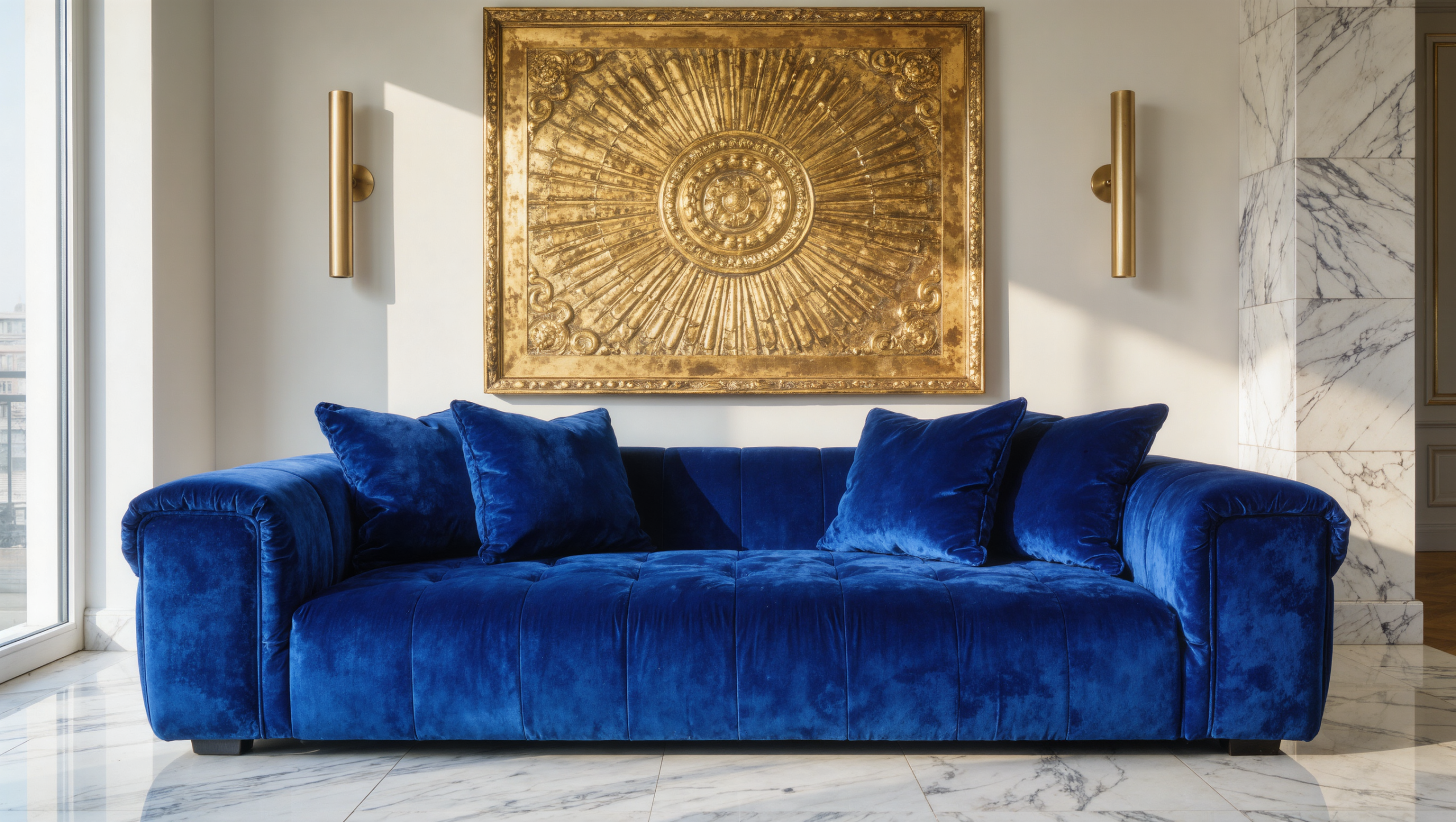
A proper sofa, generous chair, or substantial table can give a compact room one thing to look at when the surrounding furniture is edited. Five timid pieces often create more visual clutter than two confident ones.
Use scale relationships rather than fear. A large sofa can work with a generous rug and restrained tables. A small sofa surrounded by many tiny accessories can make the room feel more fragmented.
Protect the route
Small rooms magnify bad placement. Tape footprints and test doors, drawers, occupied chairs, and mobility needs before buying.
Watch moving parts: sleeper sofas, drop leaves, recliners, desk chairs, and storage ottomans need more space in use than they do in product photos.
Count the storage honestly
A storage piece is only useful if its compartment matches real categories and can be opened without moving other furniture. Deep bins can hide objects as easily as they organize them.
Put frequent-use storage near the activity and leave some capacity empty. A multifunction piece stuffed to the limit on day one cannot absorb ordinary life.
Check comfort before features
Seat depth, back support, table height, and surface size matter more than a hidden USB port if the body never wants to use the furniture.
Where mobility, balance, or strength needs matter, stable arms and easier standing may be more valuable than a lightweight folding mechanism.
Test the mechanism with one hand full
Real life rarely arrives with both hands available. If a table must fold, a bed must lift, or a surface must transform, test whether the action is practical while carrying a laptop, drink, bedding, or another ordinary object.
A mechanism that requires clearing the room and concentrating intensely is unlikely to remain part of the daily routine.
Choose visual quiet where function is complicated
If a piece already transforms, stores, folds, or rolls, it may not also need a loud material, contrasting hardware, and sculptural silhouette. Let the function be complex and the visual expression calmer.
Conversely, a simple fixed piece can carry more color or form because it is not asking the room to understand several mechanisms.
Watch hardware and replacement parts
Specialized hinges, gas lifts, tracks, wheels, and proprietary fittings can become maintenance points.
Before buying an expensive transforming piece, consider warranty, service access, part availability, and whether the mechanism can be repaired without replacing the whole object.
Space-saving furniture still has a life cycle.
Do not let charging become a purchase reason by itself
Integrated outlets and USB ports are convenient until standards change, cords fail, or the furniture position is wrong for the room.
Buy the piece because its core function and scale are right. Treat technology as a bonus, not the design thesis.
Compare the piece with a simpler alternative
Before buying a table that converts into three other things, compare it with one fixed table and a folding chair stored elsewhere. Before buying a storage ottoman, compare it with an ordinary ottoman and a nearby cabinet.
The simplest system that supports the real frequency of use is usually easier to live with.
Try the room with fewer pieces
Remove one low-use table, stool, or chair for a week. If circulation and comfort improve without losing function, the room was not short on clever furniture. It was short on editing.
Use Small Interiors and Furniture Scale Check before adding another “space-saving” object.
Cleverness should disappear into use
The right small-space piece disappears into use. If the furniture’s cleverness is the first thing everyone notices and its discomfort is the second, the room deserves a better deal.
Compact rooms need fewer failures, not more features. Choose furniture that does the whole job comfortably and transforms only when the transformation is genuinely easier than the alternative.
Same problem, elsewhere in the house
Room notes
Keep the room on the record.
One useful note at a time: what to test, what to ignore, and what changed when the room got another vote.