Function and Flow
The 30-Day Room Function Experiment
Stop redecorating for 30 days. Observe room friction, test one reversible change, and decide what deserves to become permanent.

On this page
12
A room can look finished and still lose every day.
The chair catches the door. The only useful surface becomes a dumping ground. The lamp is technically present but never where light is needed. Storage exists, yet the things used most often are hardest to reach. People walk around furniture instead of through the room.
For thirty days, do not redecorate the room. Study it.
This experiment helps you identify the governing conflict, test the smallest reversible intervention, and decide whether daily life actually improves. It is not a month-long makeover. It is a controlled investigation with one variable, a restoration path, and a verdict.
Boundary note: Use this method for ordinary, reversible room-function tests. It does not diagnose structural, electrical, moisture, indoor-air, code, accessibility, or other professional conditions. See the Room for Drama methodology and professional boundaries.
The rule: function before finish
Do not solve a problem you have not observed. That means no large furniture purchase, permanent installation, complicated styling project, or attempt to fix every irritation at once.
- Observe without correcting.
- Name the governing problem.
- Test one reversible intervention.
- Stress-test the change and decide what deserves permanence.
The discipline matters. Change six variables and you have a new room, but no useful evidence about which change helped.
Before day one: write the room’s operating brief
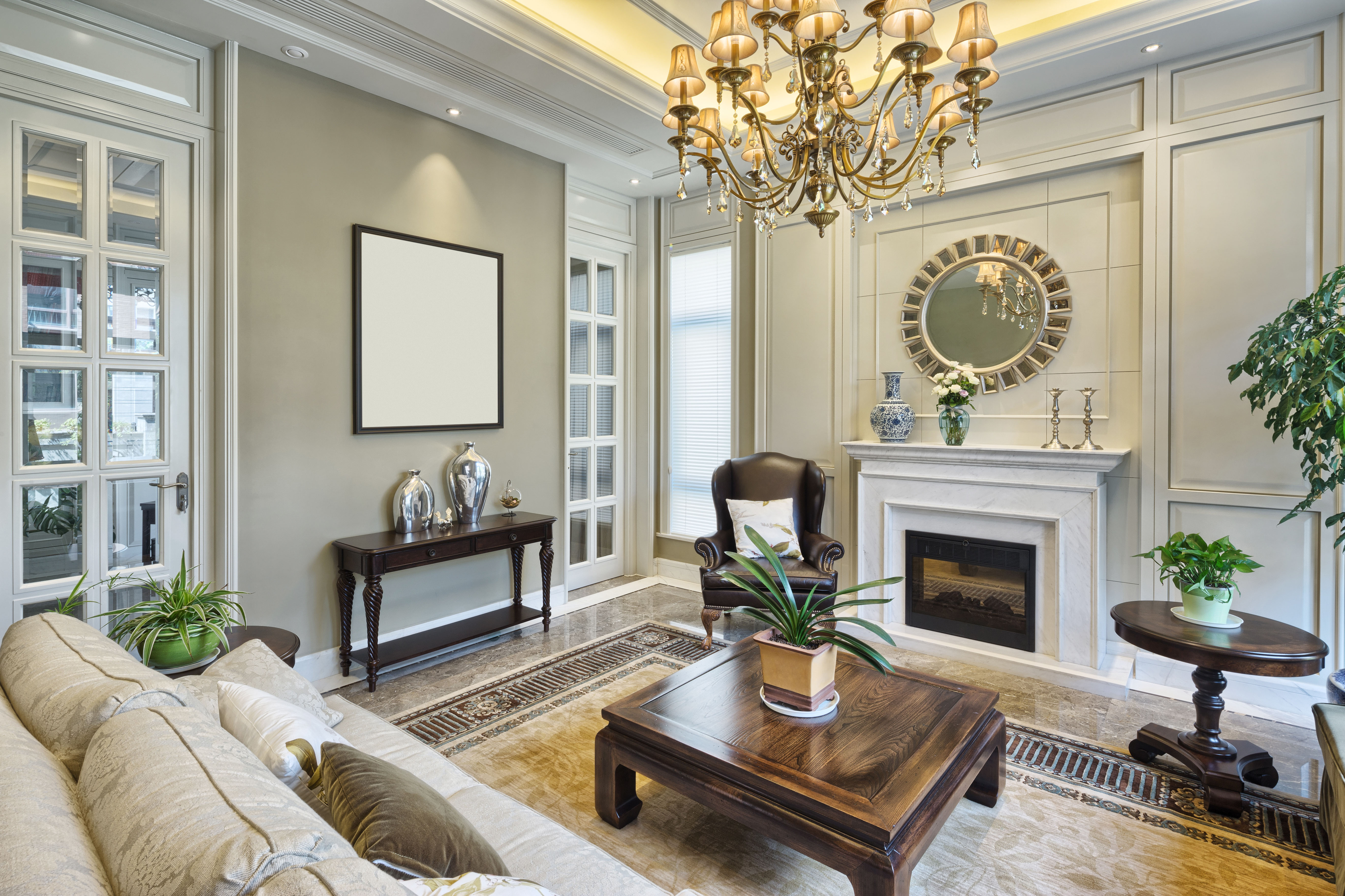
Take photographs from the room’s main entry points. Do not style first. Photograph the room as it behaves. Then write down:
- the room’s primary job and secondary jobs;
- users and common activities;
- the three most frequent frustrations;
- natural movement routes;
- surfaces that collect objects;
- tasks that lack support;
- fixed constraints; and
- anything outside the scope of an ordinary reversible test.
“Living room” is a label. “A place for two adults to read, watch television, and host four people without moving furniture” is an operating brief.
Need a faster reading first? Run the room reading and bring its strongest result into this baseline.
Days 1–7: catch the room in the act
For one week, record friction without immediately fixing it. Use four columns: time, what happened, where, and what you did to compensate.
Compensation matters because people adapt to bad rooms. They step sideways, stack objects, move a chair, use the wrong surface, carry a lamp, or avoid an area. The workaround hides the design problem. File each entry under one of five headings:
- Route: movement is blocked, indirect, or confusing.
- Reach: a needed object or control is difficult to access.
- Role: the room or zone has no clear job, or too many jobs.
- Resource: the task lacks light, power, seating, storage, or work surface.
- Reset: the room is difficult to restore after use.
Do not grade the room on how it behaves for a photograph. Grade it on an ordinary weekday when somebody is carrying laundry, looking for a charger, or trying to sit down without relocating a decorative object.
Days 8–10: name the governing conflict
The governing conflict is the problem with the greatest leverage, not necessarily the most visible problem. Look for the friction that appears most often, forces the most compensation, affects the most activities, and creates secondary clutter, delay, glare, or avoidance.
The room is likely struggling because __________, which causes __________.
Weak hypothesis: “The room needs better furniture.” Useful hypothesis: “The chair beside the doorway narrows the main route, which makes people cut through the conversation zone and drop carried objects on the nearest table.”
Days 11–17: test the smallest useful intervention
Choose one intervention that is reversible, low-cost or no-cost, appropriate for ordinary household use, narrow enough to evaluate, and directly connected to the hypothesis. The candidates are usually unglamorous, which is part of why they work:
- reorient one furniture piece;
- create a temporary landing zone;
- remove one circulation obstacle;
- move a task to a better-supported zone;
- mark a proposed footprint with painter’s tape;
- swap two existing lamps;
- limit one surface to one job; or
- place a temporary closed container where clutter repeatedly forms.
The do-not-buy-yet rule
Do not purchase the permanent object while the test is still answering the basic question. A temporary tray can test a landing zone. Painter’s tape can test a cabinet footprint. An existing lamp can test whether the task needs light in that location.
A product should enter the conversation only after the room has produced rejection criteria: required dimensions, operating clearance, reach, access, maintenance burden, visual weight, and the specific friction it must solve.
Days 18–24: stress-test the change
A room does not prove itself on its best day. Test it during the busiest ordinary period. Host the number of people it is supposed to support. Complete the task that usually stops working. Reset the room when tired. Then record:
- compensations;
- time required to begin the main task;
- reset time;
- route conflicts;
- objects leaving their intended zones;
- whether intended users can use the intervention; and
- whether the improvement creates a new problem elsewhere.
A change that improves the photograph but makes a drawer impossible to open has not passed. It has merely changed departments.
Days 25–27: reverse the intervention
When practical, return the room to its previous state for one or two days. Reversal reveals whether the intervention changed behavior or merely benefited from novelty.
Do not perform a reversal where it would reintroduce an immediate risk, prevent necessary access, or remove an accommodation someone relies on.
Days 28–30: issue the verdict
- Keep: The intervention improves function without creating a serious conflict.
- Refine: The hypothesis appears useful, but the intervention needs adjustment.
- Reverse: The intervention does not improve the governing problem.
- Escalate: The problem cannot be responsibly resolved through an ordinary reversible room test.
Finish with a room operating brief: primary job, governing problem, successful intervention, evidence that changed your mind, remaining unknowns, conditions that would trigger reconsideration, and any product research or qualified review now justified by the evidence.
What not to test through this experiment
Do not use a room experiment to resolve building structure, water intrusion, indoor-air concerns, electrical hazards, blocked exits, unstable furniture, load-bearing questions, plumbing, code compliance, complex accessibility requirements, or mechanical-equipment diagnosis.
The experiment can help document what is happening and organize questions. It does not certify the cause or remedy. Keep material warnings, manufacturer instructions, lease restrictions, required clearances, and professional dependencies beside the affected decision.
The printable tracker
Record the date and time, activity, friction category, location, event, workaround, people affected, severity and frequency, changed variable, expected result, observed result, new conflict, and follow-up question.
Four pages cover the whole month: the baseline room brief, the daily friction log, the intervention record, and the final operating brief. A notebook does the job perfectly well. The useful outcome is enough evidence to stop guessing.
The next useful move
Start with one room and one notebook page. For seven days, change nothing unless immediate risk requires action. Record what the room makes you do.
The most useful design information is often hidden inside the workaround you perform without noticing.
- Return to Start Here if the governing conflict is still unclear.
- Use Function and Flow when movement or furniture relationships dominate.
- Use Awkward Spaces when the room is following the wrong geometry.
Same problem, elsewhere in the house
Room notes
Keep the room on the record.
One useful note at a time: what to test, what to ignore, and what changed when the room got another vote.