Function and Flow
Layered Comfort Is the 2026 Answer to the Empty Beige Rental.
Layered comfort brings texture, useful softness, varied light, and lived-in character to rentals—without requiring permanent architectural changes.
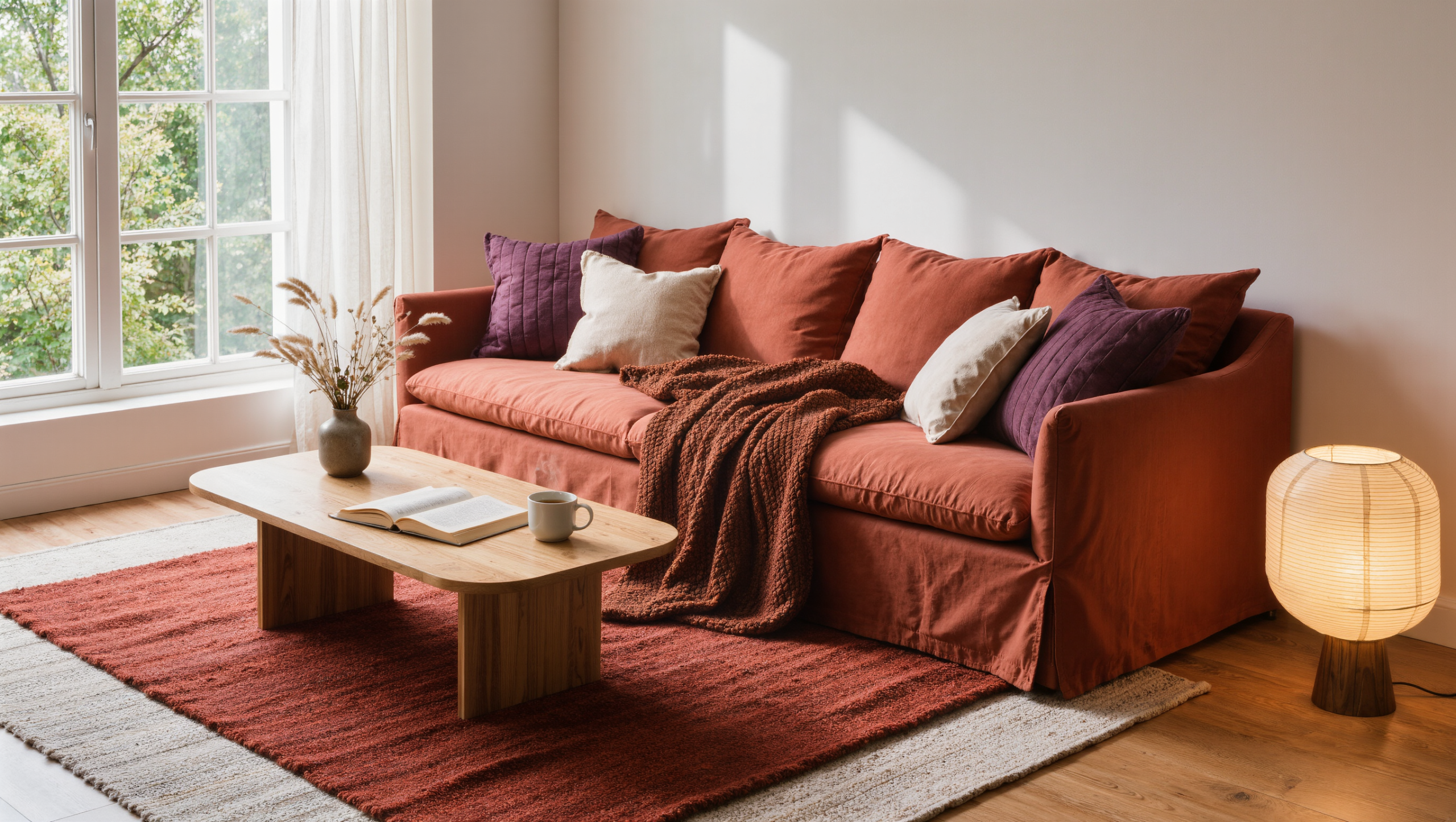
There is a new phrase making the design rounds in 2026: layered comfort. The name sounds suspiciously like a catalog trying to sell you six pillows, but the idea underneath it is actually useful. Rooms are moving away from sterile minimalism and toward spaces that look considered, tactile, personal, and—radical concept—comfortable to live in.
That is very much my kind of direction because I have no interest in a room that photographs beautifully and then makes everyone sit stiffly around the edges. For renters, layered comfort is especially useful because most of it can come from light, fabric, furniture, art, rugs, and arrangement. The landlord can keep the drywall.
Comfort is a floor-plan issue before it is a pillow issue
If the chair blocks the only route, the lamp cannot reach the book, the coffee table is too far from the sofa, and the dining chair doubles as the place where every bag goes to die, adding softness is not going to rescue the room.
I will rearrange a room before I accessorize around a bad plan. Pull the reading chair toward real light. Give drinks somewhere to land. Put storage near the thing it stores. Make sure the sofa arrangement supports conversation instead of making everyone stare at one another from different zip codes. Comfort has logistics.
Layer the surfaces people actually touch

A comfortable room has changes in texture where the body meets it: a rug that makes bare flooring less hostile, curtains that soften a hard window wall, upholstery that does not feel like office furniture, bedding with actual weight and variation, a throw where someone will use it rather than folded into a decorative triangle.
This is not permission to cover every seat with accessories until no one can sit down. Nine cushions that have to be relocated before a person can sit down are not comfort. They are a nightly chore wearing velvet. One generous blanket is more useful than a pile of decorative obligations.
Mix ages so the room stops looking delivered
Layered comfort gets better when every object was not born in the same fiscal quarter. A vintage side table beside a newer sofa, an old lamp on a clean-lined cabinet, a handmade ceramic object on a modern shelf, or an inherited chair reupholstered well can give a rental the sense that a person has been living a life instead of waiting for a photo shoot.
The principle is simple: history is useful when it adds character, not when the room turns into a costume set. I like a room with evidence. One old piece among newer ones can do more than an entire matching collection because it breaks the sense that the whole space was delivered in one van on one afternoon.
A requirement is hiding inside that sentence, and it ought to be stated rather than left implied. Layered comfort is, to a large degree, a rebrand of having lived somewhere long enough to accumulate things. A household that moves every twelve to eighteen months has not had the chance, and no amount of styling advice manufactures it. The trend as photographed is therefore not neutral about who can reach it, and pretending otherwise would be silly. What does transfer is narrower and more useful: a small number of objects with real age or real oddity, bought over years and carried between addresses, doing the same job in each one. Six of those will beat a room bought all at once, and six is a reachable number on most budgets as long as nobody is in a hurry to be finished.
A room can be maximalist and still exhale
Layering does not mean visually filling every gap. The reason a dark wood table, patterned rug, velvet chair, brass lamp, and linen curtain can coexist is that the room also has quieter surfaces and open space between them.
Give the eye somewhere to stop. Let one wall stay relatively calm if the opposite wall is carrying art and storage. Keep one surface mostly clear. Do not force the bookshelf to audition every object you have ever liked. Maximalism still needs editing or it stops being design and becomes storage with excellent intentions.
Half of comfort is not visible at all
Overhead-only lighting makes texture look flatter, color look harsher, and every evening feel more institutional than it needs to. Add light at different heights. Let one lamp serve a task. Let another create a lower glow. Use a shade that changes the quality of the light instead of simply hiding the bulb.
When the room has several materials, lower light gives them a chance to show shadow and edge. Lighting is where to go if the room feels technically furnished but emotionally vacant after sunset.
The same goes for the two layers people reach for last. Comfort is sensory, but that does not require turning the rental into a fragrance department. If you use scent, keep it appropriate for the household, ventilation, pets, sensitivities, and lease rules. If you want the room to sound better, curtains, rugs, upholstery, and bookcases can reduce the hard echo that makes a sparse rental feel even more temporary.
Sometimes the most luxurious change is simply making the television less dominant and the room less acoustically sharp. Not every atmosphere problem needs a product.
Do not confuse expensive with comfortable
A $4,000 chair that no one likes sitting in has failed the assignment. A secondhand chair with excellent proportions, good support, and new upholstery may do more for the room. So might a $30 lamp in the exact corner that has been dead for three years.
I am interested in good, not expensive for the sake of expensive. Spend where the room receives daily contact: seating, bedding, light, rug, window treatment, storage that removes friction. Decorative objects can follow after the room already feels good to use.
Build the comfort out of things that are actually yours
Curtains move. Rugs move. Lamps move. Chairs move. Art moves. Bedding moves. Small tables move. The identity of the room can sit largely on the things you own rather than the finishes you inherited.
That is why I like this trend more than most. It is generous without being wasteful, and it lets a room get personal without burying anyone under the evidence. Build something you want to be in now, then take the good parts with you.
Source note: Good Housekeeping reported in August 2026 that designers are seeing “layered comfort” emerge as a lived-in alternative to both strict minimalism and visual overload, emphasizing mixed textures, varied lighting, and personal pieces. Good Housekeeping, “Pros Say This New Design Aesthetic Is Taking Over Homes.”
Same problem, elsewhere in the house
Room notes
Keep the room on the record.
One useful note at a time: what to test, what to ignore, and what changed when the room got another vote.