Light and Atmosphere
One House Can Have More Than One Mood
Whole-house cohesion does not require one palette copied from room to room. Let the house change mood while repeating enough material, color and light to make the transitions believable.
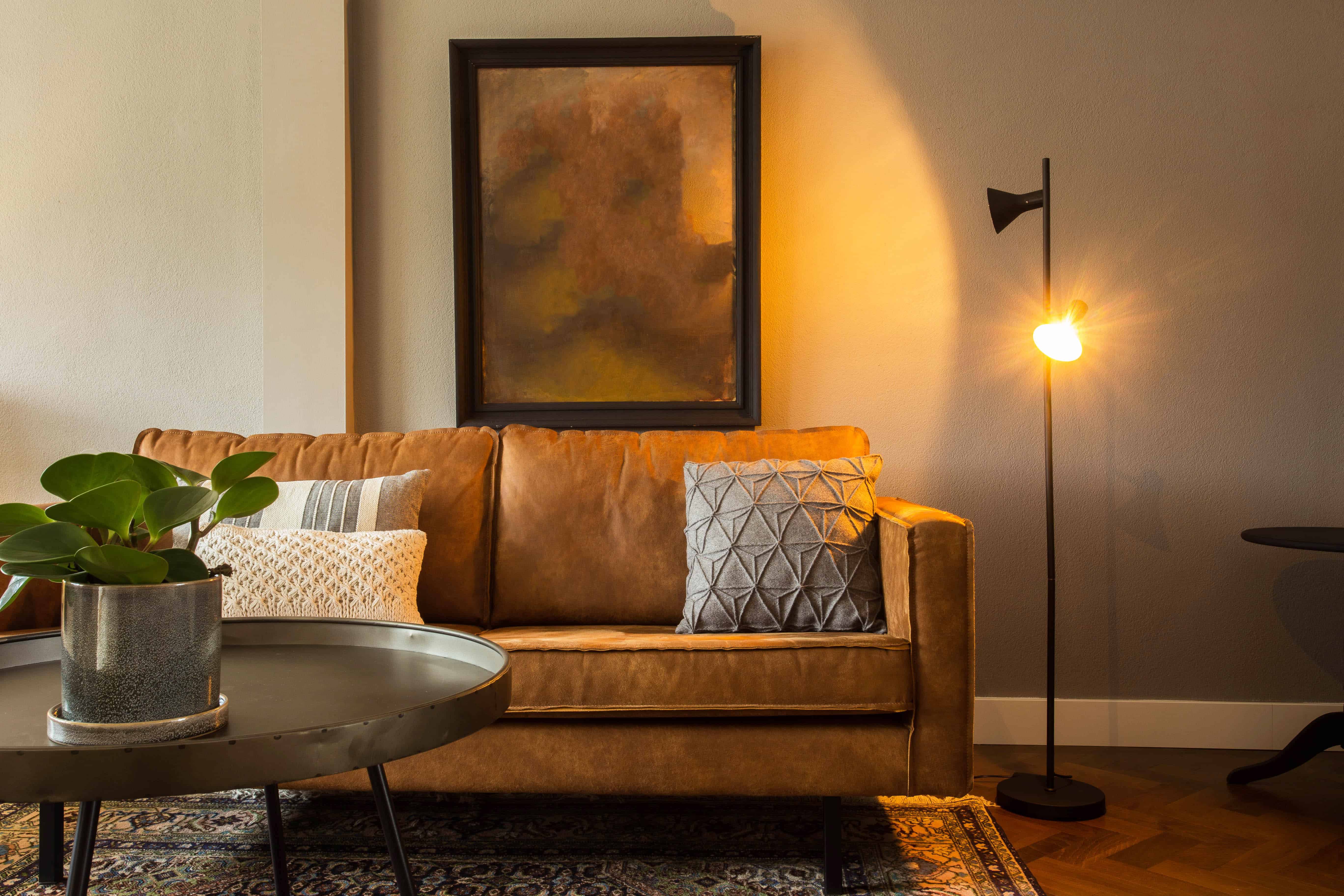
Room for Drama · Diagnosis Card
Consistency is not the same thing as sameness.
Diagnose first. Buy last.
A house does not need a dress code.
The kitchen can be bright and kinetic. The bedroom can be dark enough to make noon feel slightly suspicious. The dining room can go full theatrical. A hallway can be quiet. The powder room can make a decision everyone else was too polite to make.
None of that automatically creates a disjointed house.
Difference is fine. The problem arrives when every doorway introduces a completely new set of rules.
Cohesion is not sameness. It is recognition.
Repeat the bones, not the entire outfit
Choose a few elements that can travel through the house without forcing every room into one palette.
Maybe the wood stays warm. Maybe black appears in frames, hardware and lighting. Maybe the same soft white carries trim through several spaces. Maybe aged brass shows up often enough to feel deliberate. Maybe saturated color is the common language even when the actual colors change.
These repeated bones let individual rooms take bigger risks because the house still has a memory.
You do not need the living-room rug color on the kitchen stools, the bedroom pillow and the downstairs hand towel to prove you planned the place.
That is evidence management.
Let adjacent rooms negotiate
The strongest relationship is often between spaces that can see each other.
Stand in the doorway between two rooms. What colors are visible at once? What materials meet? Does a strong pattern in one room have enough quiet around it to remain special? Does the next room repeat one note or introduce five unrelated ones?
Open-plan spaces need particularly careful transitions because there is no door to reset the eye. A dining area can be darker than the living area, but repeating a wood tone, metal or upholstery color can keep the change from feeling like two sets were pushed together.
In closed rooms, you have more freedom. A doorway creates punctuation.
Use it.
A hallway is not required to be neutral territory
Hallways often get sentenced to the safest color in the house because they connect everything.
That is one option. It is not the law.
A hallway can carry a deeper version of a repeated color, a wallpaper that contains notes from several rooms, or a darker neutral that makes the spaces beyond it feel more luminous. It can also be visually quieter if the rooms around it are doing enough.
The useful question is what the transition should do.
Reset? Build anticipation? Connect two strong spaces? Make a dark route feel intentional instead of apologetic?
Design the hallway for the transition, not because connective tissue apparently has to be beige.
Different moods still need compatible material honesty
You can move from glossy to matte, light to dark, rustic to refined. The house does not need one texture setting.
But look at the quality and visual weight of materials as they change.
A room full of rich wood, wool, plaster and aged metal can make the next room feel thin if it suddenly relies on lightweight shiny finishes with no relationship to anything around it. The issue may not be style. It may be substance.
Carry one material family across the boundary. Repeat a natural texture. Let a strong finish return in a smaller amount. Use the same level of conviction even when the mood changes.
A playful room and a formal room can belong to the same house if both feel equally intentional.
Lighting can change the mood without changing the family
Rooms do not have to be lit the same way.
A kitchen needs useful task light. A dining room can lean lower and warmer in the evening. A bedroom can rely on lamps and shaded light. A hallway may need enough illumination to make movement easy without looking like an airport corridor.
What can repeat is the quality of the fixtures and the logic of the layers.
If one room has thoughtful lamp light and the next is governed entirely by a harsh ceiling source, the break can feel more dramatic than the color change.
Let the mood shift. Keep the lighting intentional.
Where repetition turns into cloning
A trend is easiest to overuse when it is being sold as cohesion.
One wood everywhere. One metal everywhere. One arch repeated until the house appears to be sponsored by arches. One specific green carried through every room because somebody made a palette board.
You can repeat without cloning.
Mix woods with compatible undertones. Let metals vary while one remains dominant. Use related colors rather than identical ones. Repeat shapes loosely. Give each room enough autonomy to respond to its light, scale and job.
A house should feel connected, not franchised.
The house tells you whether the relationship is working every time one room is seen through another. If the transition feels dead, the answer is rarely another repeated accessory. It is usually that one of the two rooms is underwritten: not enough identity of its own to be worth the look across, or not one familiar material to carry over the threshold. Cohesion you can feel beats cohesion you can audit.
Nobody needs to walk through your home and announce that the palette is cohesive. That is a sentence about a palette, not about a house.
What you want is for every room to feel like it belongs to the same person, without requiring that person to have only one mood.
That would be a very boring person.
Related reading: Rooms With a New Life
Same problem, elsewhere in the house