Light and Atmosphere
Portable Lamps Are Finally Solving the Places Wiring Forgot
Rechargeable lamps are one of 2026’s most useful lighting trends because they can put low, warm light exactly where outlets and hardwiring failed to cooperate.
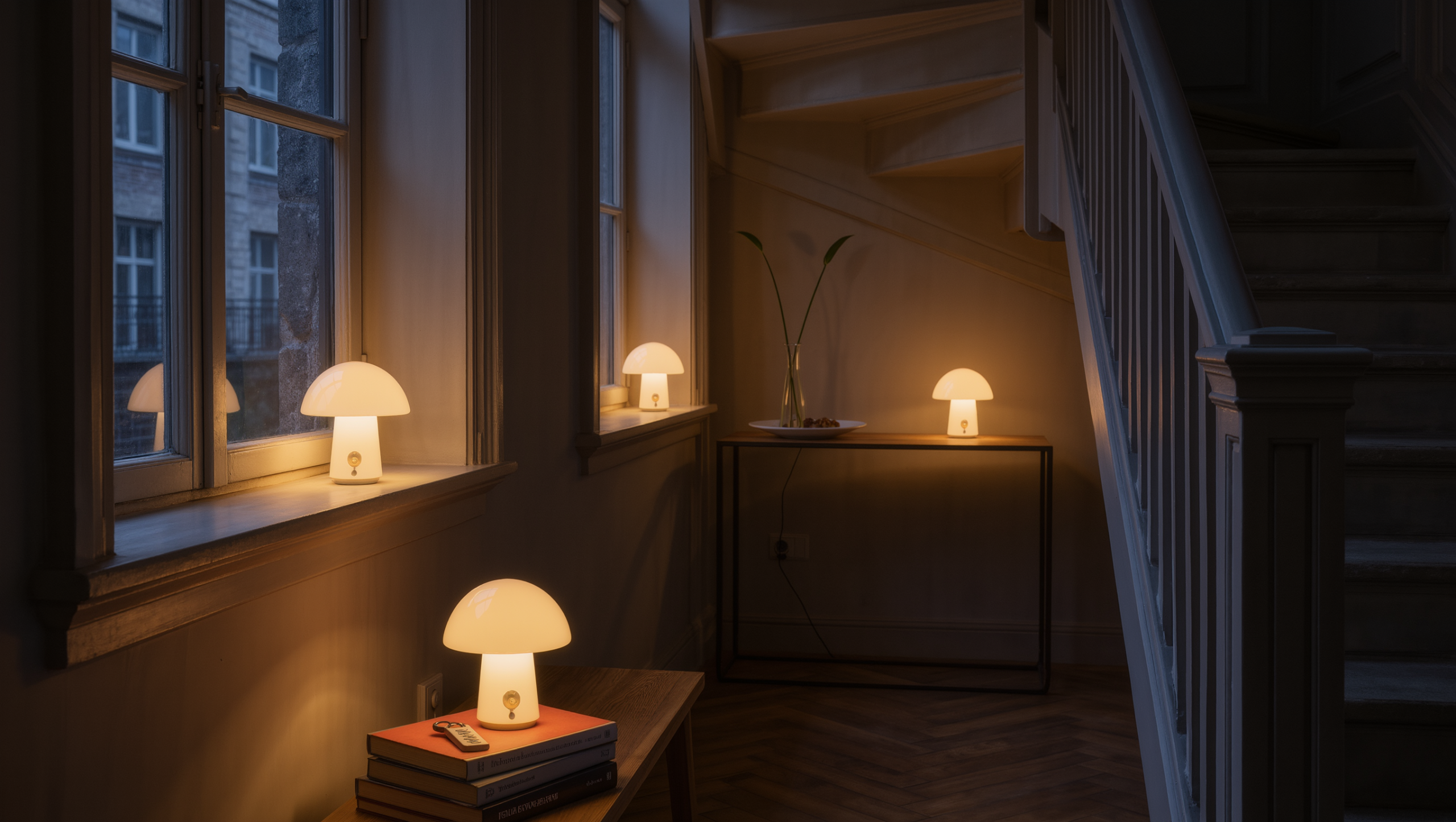
There are places in a room that need light and have apparently offended the electrical plan. The center of a dining table. A bookshelf in a dark corner. The console behind a sofa. The bathroom shelf that becomes a cave after sunset. The outdoor table where extension cords would like to ruin the evening.
Rechargeable lamps are useful because they stop treating those gaps like permanent conditions. They are not a substitute for a real lighting plan, but they are very good at solving the small, irritating places where a real lighting plan never arrived.
Floating furniture has always had a cord problem
A portable lamp can sit on a floating table, a center island, a mantel, a window ledge, a bar cart, or a garden table without dragging a black cord through the composition. That flexibility matters most in rooms where the furniture wants to float, outlets are badly placed, or the architecture is staying exactly as it is.
In a rental, this is even more useful. You can build a lower evening layer without hardwiring sconces or adding floor lamps to every corner. In a tiny room, the lamp can create atmosphere without claiming an entire side table. In a large room, several low points of light can make the space feel inhabited instead of vaguely lit from above.
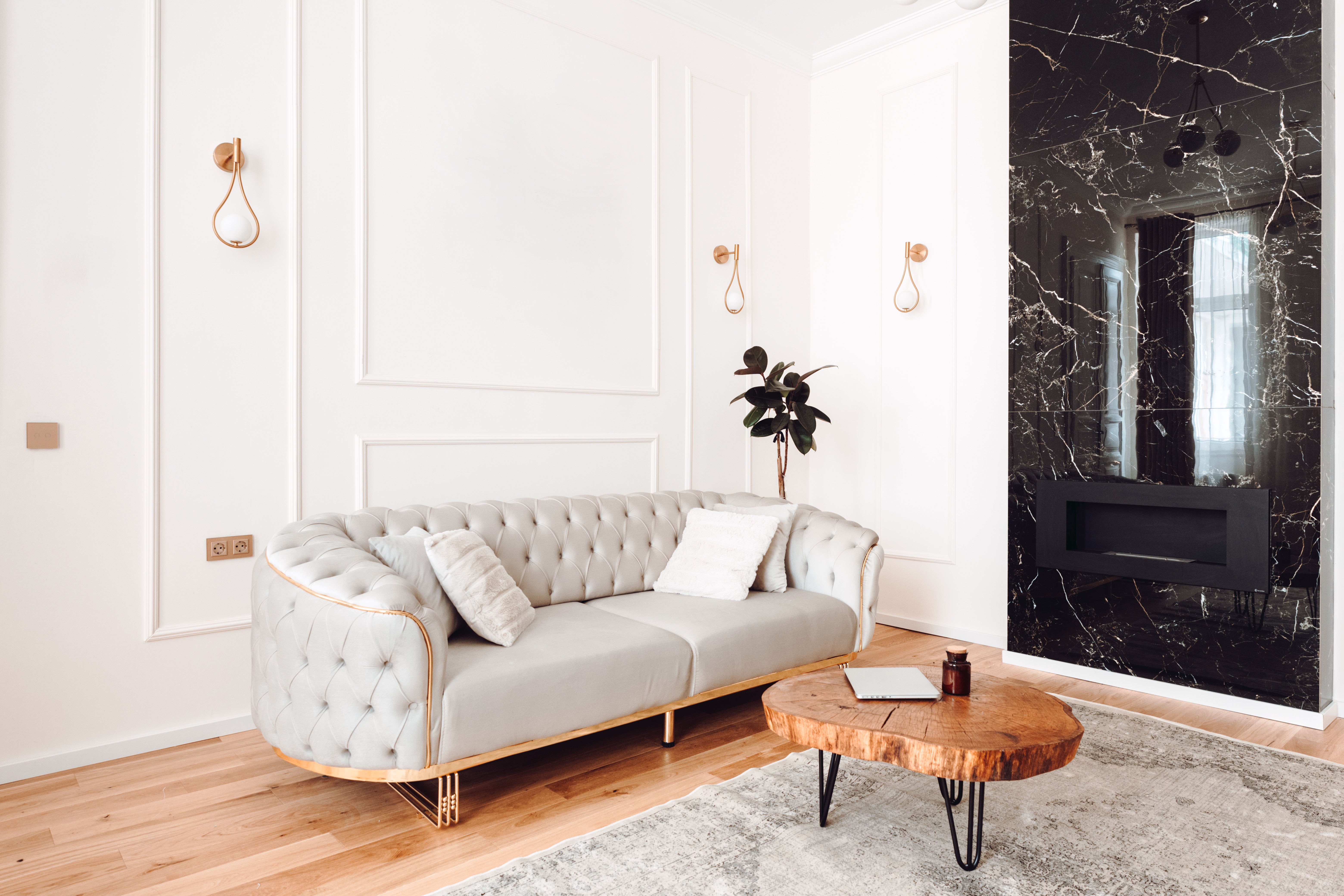
Dinner tables are the obvious use, but not the only one. A dark shelf can become part of the room after sunset. A console behind a sofa can gain a glow without exposing a cord. A bathroom can have soft night lighting that does not require the overhead fixture. An outdoor table can feel finished without a wiring project.
They also work well as reconnaissance. If a rechargeable lamp transforms a corner, that is genuinely useful information, and it cost about the price of a takeout dinner rather than an electrician’s morning. The permanent answer may eventually be a sconce. It may equally turn out that the corner only needed light in November. Either way the wall stayed intact while you found out.
A lamp that is always dead is decor with paperwork
Battery life, charging time, dimming controls and the charging connection are part of the design whether the product page wants to discuss them or not. That is where the category lives or dies, and the failure is almost always domestic rather than technical: the lamp works fine, and nobody charged it.
Give the lamp a repeatable charging home. If it needs a proprietary cable that disappears into the household junk drawer every three days, the romance will be brief. If you are buying several lamps for entertaining, think about how they will all recharge without turning one outlet into a cable octopus.
Scale is the other thing the category quietly asks you to forgive. Many rechargeable lamps are intentionally compact, and small is not the same as invisible. A tiny mushroom lamp can look charming on a café-sized table and oddly apologetic on a six-foot console. A tall lamp may be gorgeous on a sideboard and irritating in the middle of dinner when everyone has to lean around it.
Material matters too. Metal can feel crisp and architectural. Colored glass can throw a richer glow. Fabric shades can soften a room, though they may need more protection outside. The lamp is still an object in the composition. A battery with a bulb is the mechanism, not the design.
Cordless is not permission
Freedom is useful when it creates intention. Put a lamp in every available corner and you have stopped doing layered lighting and started a collection. Decide what the light is doing: marking a table, pulling attention to art, making a path legible, creating a small evening zone. Then let the rest of the room stay quieter.
The interesting part was never the absence of a cable. It is that lighting has stopped being decided, permanently, by an electrician who visited the house once, before anybody knew where the sofa was going to end up. That opens up a great deal more room for drama, and considerably fewer extension cords.
Same problem, elsewhere in the house
Room notes
Keep the room on the record.
One useful note at a time: what to test, what to ignore, and what changed when the room got another vote.