Function and Flow
What a Room Teaches You in the First Thirty Seconds
Read a room quickly by noticing the first sightline, main route, dominant furniture, light source, object landing places, and whether the room’s real purpose is immediately legible.
On this page
5
A room explains itself faster than most people think.
In the first thirty seconds, you can usually see what it wants you to look at, where it expects you to walk, which seat matters, whether daily objects have homes, and whether the light is helping or hiding the problem.
This first read is not a final verdict. It is the room’s opening set of clues.
01
The first sightline
What the doorway frames reveals the room’s actual hierarchy.
02
The easiest path
Your body reads circulation before your design vocabulary does.
03
Object drift
Mail on the counter is a clue about missing storage, not clutter.
04
The reverse view
A room should survive more than one camera angle.
Notice what the room says before you start shopping to change the subject.
01 The visual read
Sightline, path, and the dominant object
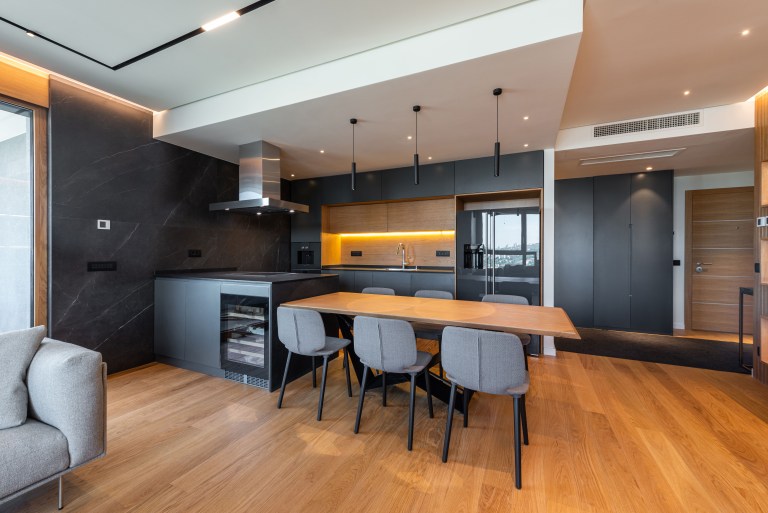
What does the doorway frame: a strong artwork, a sofa, a window, a pile, the back of furniture, or nothing in particular? The first view reveals hierarchy. If the first thing you see is not meant to lead, decide whether furniture orientation, art, color, or storage can redirect the eye.
Your body reads circulation before your design vocabulary does. If you instinctively turn sideways, step around a table, or hesitate at a route, mark the friction. Watch where the path goes relative to the main activity—a route through the middle of conversation or dining may explain why the room never feels settled.
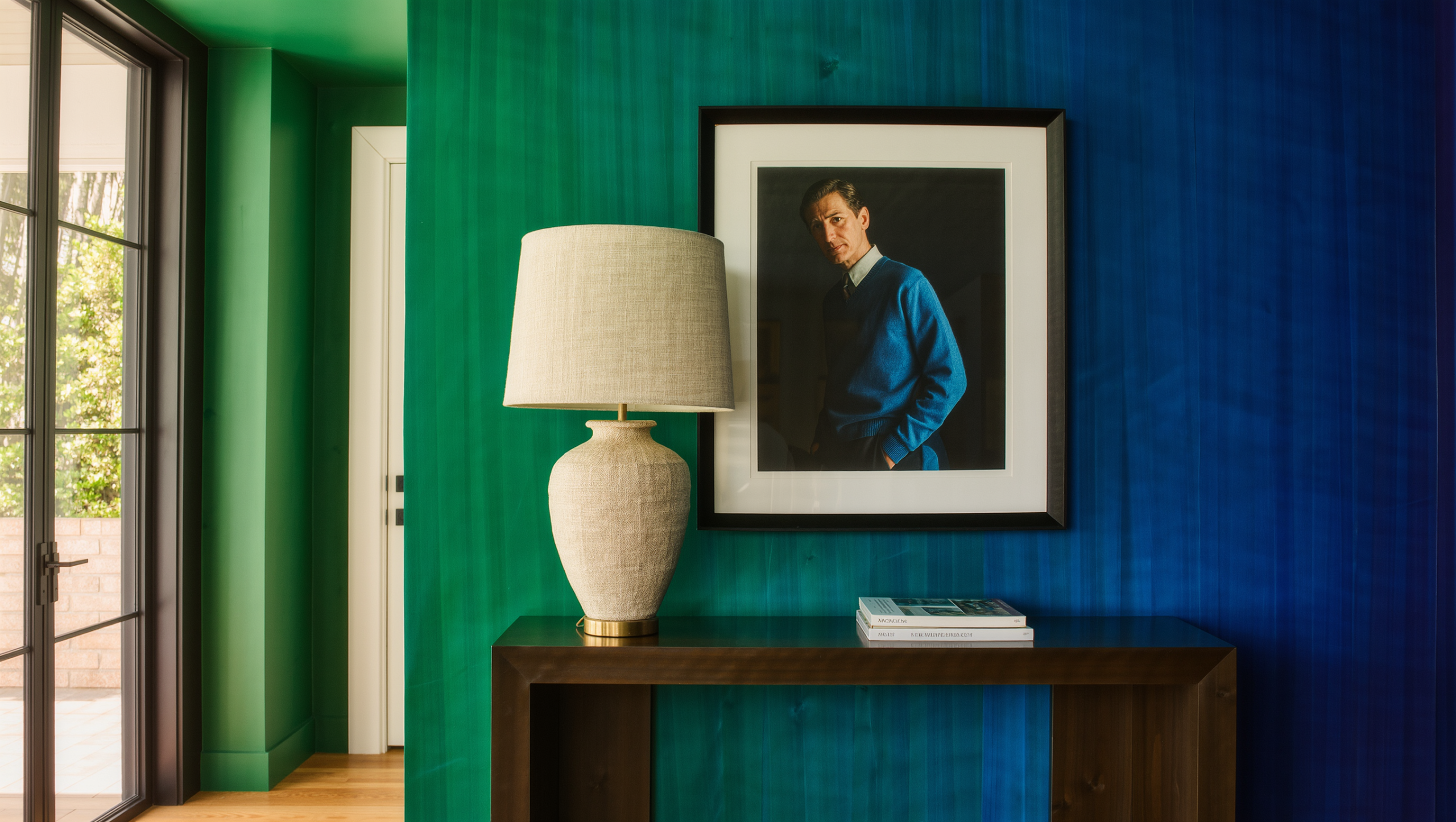
The largest, darkest, highest-contrast, or most reflective object often becomes the visual center whether intended or not. Decide whether that object deserves the authority it currently has. If the television, cabinet, or sofa is dominating by accident, balance it with stronger art, a better rug, lighting, or a different furniture relationship rather than surrounding it with more small objects.
02 Function and drift
What the room is asking you to do

Does the furniture invite sitting, moving through, eating, working, or looking at a screen? The room communicates its priority before anyone explains it. If the intended use and the visible invitation disagree, the arrangement is sending the wrong message. A conversation room lined up toward a television is still a television room, whatever the project brief says. Use Room Function when the room’s stated purpose and actual behavior do not match.
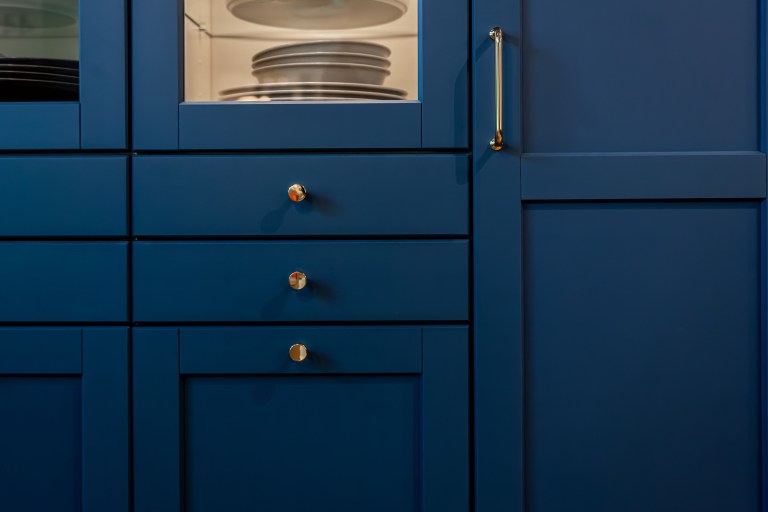
Mail on the counter, shoes by the door, blankets on a chair, chargers stretched across a table—these are clues about missing or inconvenient storage. Repeated drift points to a route. Put the storage closer to that route instead of trying to train daily life around a distant solution. Use Storage and Working Zones when the clutter pattern is consistent enough to reveal the missing home.
Small rooms amplify the first read: compact rooms reveal hierarchy, scale, circulation, and clutter quickly because fewer elements fit inside the frame. One generous rug, substantial artwork, or full-height curtain establishes the room more convincingly than a crowd of undersized pieces. Empty space is not unfinished space; it is part of the composition.
03 Comfort conditions
Seats, surfaces, light, sound, and temperature
Seating
A vote, not a symptom
If one chair is always empty, find out what the occupied seats are doing better.
Surfaces
Check for capacity
A package or laptop shouldn’t immediately become clutter because every surface is already performing decor.
Light
Return after dark
Daylight may make one side feel alive while the rest disappears. See Lighting if hierarchy vanishes after sunset.
Sound and temperature
Explain mysterious behavior
The unpopular chair may sit in a cold draft or direct sun—check comfort before blaming styling.
The first doorway view can be compelling while the view from the sofa is unresolved. Turn around—does the room have a blank wall, exposed storage, cord tangle, or awkward furniture backs in the lived direction? A room should survive more than one camera angle because people do not remain in the doorway.
04 Reading the evidence
The reset burden, and not fixing the first clue immediately
If every useful surface is already full, the room has no capacity for a package, drink, laptop, or guest bag. Ask what has to happen before the room looks like its “good” version. If the answer involves relocating a large amount of ordinary life, the design has hidden an operational problem.
The first thirty seconds are for observation, not impulse. A pile may suggest more storage and actually indicate storage in the wrong location. A dark corner may suggest a lamp and actually be a circulation route that should stay empty. Collect several clues before naming the governing problem.
The verdict
Before familiarity edits the room for you
The first thirty seconds are valuable because they happen before familiarity starts editing the room for you. Write them down while they are still available. By the second visit they have been absorbed, and you will be defending the room rather than reading it.
Then stay long enough to verify the first impression. Good diagnosis combines the immediate read with evidence from ordinary use.
Same problem, elsewhere in the house
Room notes
Keep the room on the record.
One useful note at a time: what to test, what to ignore, and what changed when the room got another vote.