Function and Flow
A Room Can Be Beautiful and Still Be Wrong
A beautiful room can still fail if circulation, reach, lighting, scale, maintenance, or accessibility are wrong. Use practical design intelligence to test function without draining the room of character.
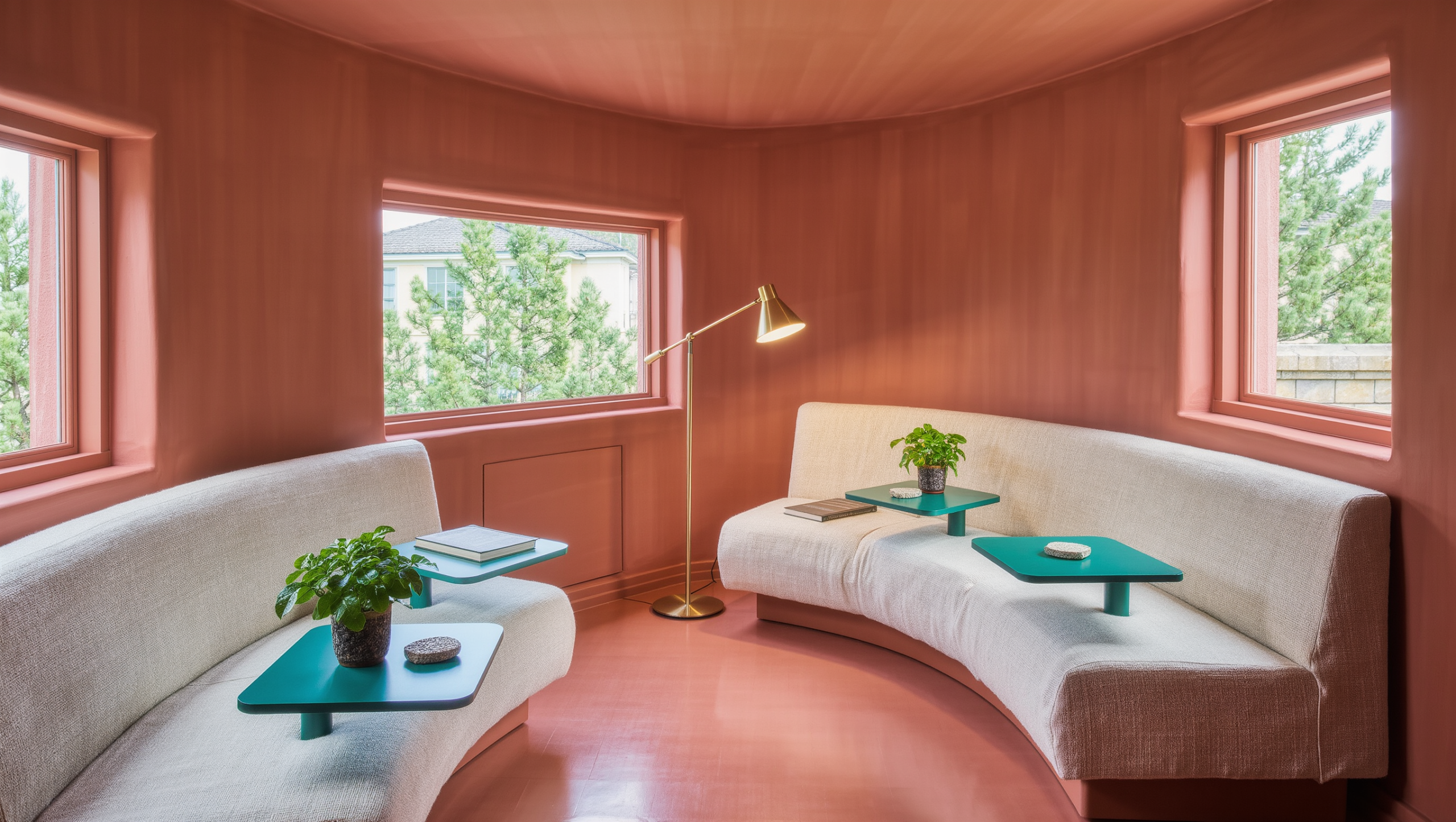
A room can be beautiful and still be wrong.
The sofa can be excellent, the paint expensive, the lighting flattering, and the entire thing can quietly punish the people using it. Design intelligence begins where styling stops: with the question of whether the room’s choices actually support the life happening inside them.
That does not make beauty frivolous. It makes beauty answerable to use.
Start with the friction, not the aesthetic diagnosis
When a room feels wrong, describe what is happening before deciding why. The chair is always moved out of the way. The table collects everything. The corner is dark at the exact hour someone tries to read. The television controls every seat. The closet door cannot open without a furniture negotiation.
Those are observations. “The room needs more storage” or “the layout is bad” are interpretations. Keep the two separate long enough to avoid solving the wrong problem beautifully.
Function is not the opposite of atmosphere

A room that works well can still be theatrical, dark, layered, colorful, strange, formal, minimal, or deeply impractical in one carefully chosen way. Function does not require visual caution.
It does require priorities. If the room’s main job is conversation, the seating has to support conversation. If the room is a bedroom, the route around the bed and the nighttime light matter. If the room is an entry, arrival needs somewhere to happen.
Atmosphere should intensify the intended use, not compete with it.
Look for the workaround
The workaround is often the best evidence in the room. A chair everyone drags closer to the lamp. A basket blocking a doorway because there is no useful return path. A dining chair used as a nightstand because the actual table is too far away. A lamp permanently unplugged because the cord crosses circulation.
Do not dismiss these as bad habits. They are user testing.
The room is showing you what the design failed to make easy.
Check the room at its busiest time
Empty rooms flatter themselves. Judge the room when people, bags, dishes, devices, pets, chairs, and ordinary activities are present.
A layout that feels spacious at noon may collapse during dinner. A bedroom that photographs calmly may become chaotic during the morning routine. An outdoor room may be lovely until the sun reaches the seats.
Design intelligence comes from observing the room under demand.
Separate fixed conditions from negotiable ones
Structure, plumbing, windows, doorways, permissions, and some storage conditions may be expensive or impossible to change. Furniture position, lighting, rugs, movable storage, color, and object placement are more flexible.
Start with the least permanent variable that could test the diagnosis. Move the chair before replacing the sofa. Change the lamp position before rewiring. Remove the coffee table before shopping for a better coffee table.
Reversible tests buy information cheaply.
Scale is often the hidden argument
Rooms that look “off” are frequently experiencing a scale problem rather than a style problem. A tiny rug makes the sofa look enormous. Several small objects make a large wall feel unresolved. A delicate lamp disappears beside substantial furniture.
Use Furniture Scale Check before assuming the room needs more things. Sometimes it needs fewer things with more authority.
Circulation is part of the composition
Movement is one of the room’s design materials.
Doors open, people stand, drawers extend, pets lie down in the least convenient location, and somebody carries laundry through the middle. A furniture plan has to include those movements.
Use Layout and Flow when the room looks arranged but lives like an obstacle course.
Storage is a behavior system
Storage succeeds when objects can return easily after use. A beautiful cabinet placed too far from the activity it supports may become less useful than an ordinary drawer in the right location.
Notice where clutter forms. The pile often marks the missing storage zone more accurately than a product category does.
Use Storage and Working Zones to design around actions and reset effort.
Light should answer the activity
A room can be technically bright and practically unusable. Reading needs light at the page. Food preparation needs light on the worktop. Evening atmosphere needs lower sources and enough shadow to create depth.
One ceiling fixture cannot reasonably be expected to perform every role. Use Lighting to separate ambient, task, accent, and transition light.
Beauty should survive the reset
A room that looks good only after twenty minutes of styling has an operational cost. Cushions, trays, blankets, toys, papers, charging equipment, and serving pieces all need a return path.
Ask how long the room takes to recover after its busiest use. If the answer is long enough that the reset stops happening, the design has created a maintenance burden that will eventually change how the room looks.
Do not confuse expensive with resolved
Custom furniture, high-end finishes, and beautiful materials can improve a room. They cannot rescue a poor route, wrong scale, or missing function automatically.
The expensive option is sometimes better. It is not automatically more thoughtful. A $40 lamp in the correct place can solve a problem a $4,000 fixture in the wrong place cannot.
Use one hypothesis at a time
“The room feels wrong” invites a shopping spree. “The seating is too far apart for conversation” invites a test.
Name one hypothesis. Move one variable. Observe a normal use cycle. Keep, refine, reverse, or stop if the issue crosses into structural, electrical, plumbing, or other professional territory.
That sequence is the core of Space Intelligence and of the room reading.
Judgment before consumption
Design intelligence is judgment applied before consumption. It asks what the room is doing, what it is failing to do, and which intervention changes the system rather than merely changing the picture.
A beautiful room should still be beautiful after someone sits down, turns on a lamp, opens a drawer, carries a tray through it, and leaves a book on the table. If the beauty cannot survive use, the design is not finished.
Same problem, elsewhere in the house
Room notes
Keep the room on the record.
One useful note at a time: what to test, what to ignore, and what changed when the room got another vote.