Light and Atmosphere
A Pergola Is Not an Outdoor Room Until It Starts Acting Like One
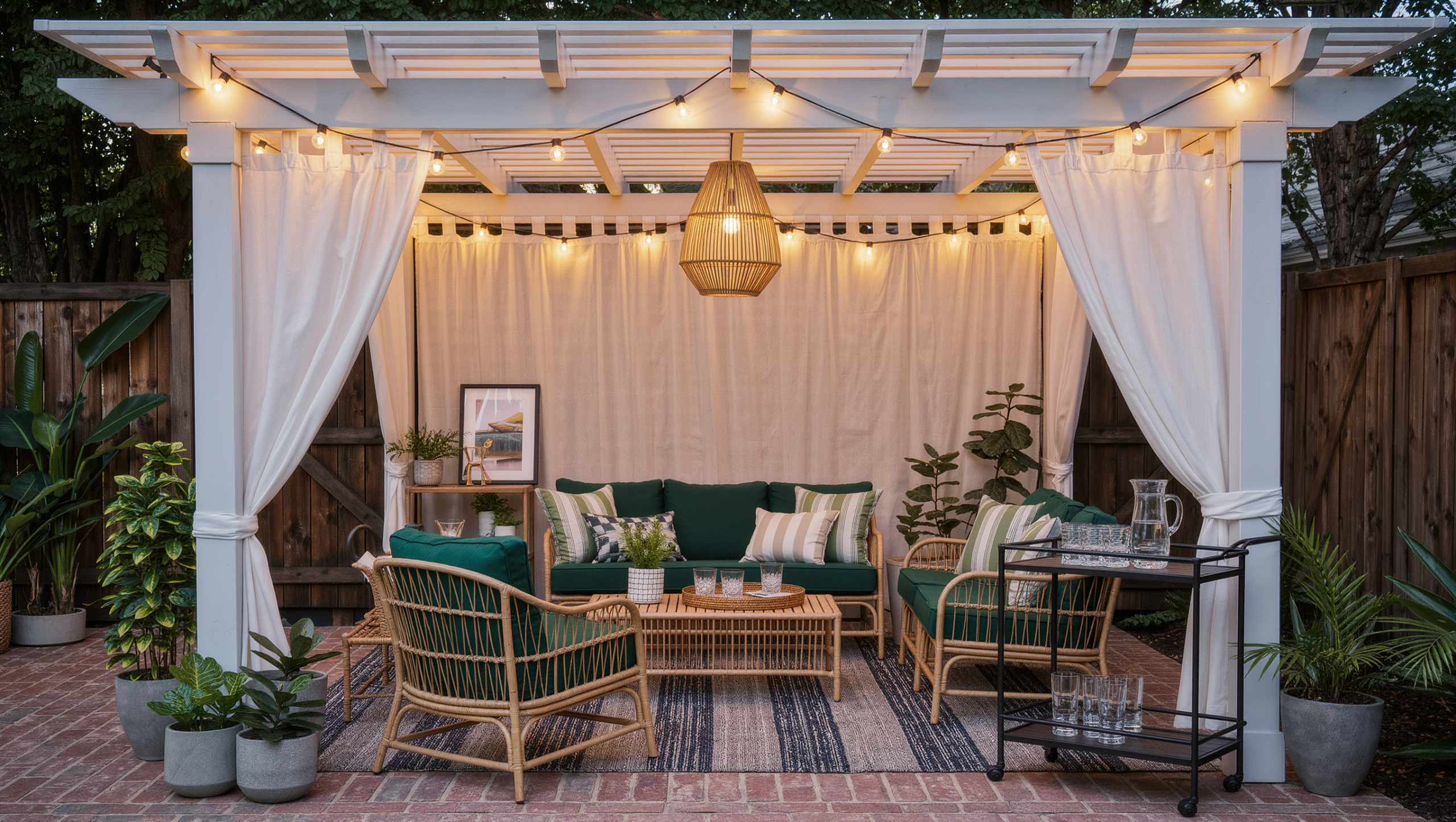
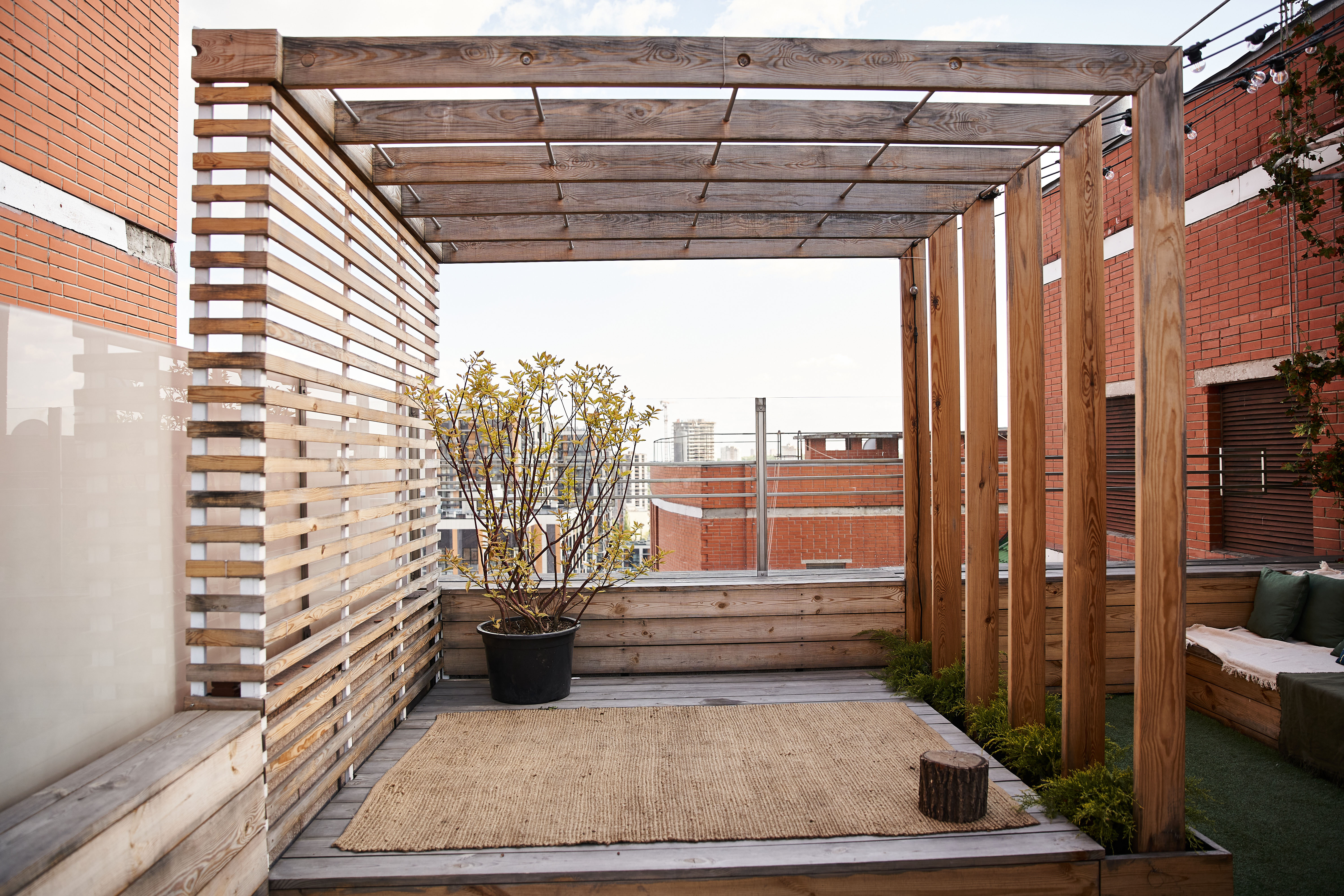
Putting furniture under a pergola does not make it an outdoor room. Ours did not become one until I started treating it like part of the house — curtains, blinds, art, lighting, and more than one sad planter.
Putting furniture under a pergola does not automatically make it an outdoor room.
I know that because ours did not become one until I started treating it like part of the house.
That meant curtains. Blinds. Art. Lighting. Flower pots everywhere. Not one sad planter in the corner trying to carry the entire yard emotionally. I mean enough plants and flowers that the space actually felt surrounded, softened, and lived in.
Once that happened, the pergola stopped feeling like a structure we happened to own and started feeling like a place we actually went.
The difference is enclosure
Indoor rooms work because they have boundaries. Walls, windows, ceilings, rugs, lighting, furniture placement. They tell your brain where the room begins and ends.
A pergola gives you the suggestion of that, but not always enough of it.
The curtains and blinds changed ours more than almost anything else because suddenly the space had edges. They gave us shade, privacy, movement, and that slightly ridiculous but very satisfying feeling that yes, this is technically outside, but it is also definitely a room.
That is what I am after outdoors. Not patio furniture sitting in weather. A room with air in it.
Art belongs outside if the space is meant to feel finished
This is one of those things people hesitate over because art feels very indoor. I understand why. Weather exists.
But if the only things outside are furniture and plants, the space can still feel like a setup instead of a room. Art changes that. It gives the eye somewhere to land that is not another chair or another flower pot.
It does not need to be precious. It just needs to belong there and be something you are comfortable using outdoors.
That is the larger rule for me: outdoor does not mean unfinished.
The flower pots are doing architecture
I have a lot of flower pots. A lot.
Part of that is because I love flowers. The more useful reason is that containers let me build edges, soften corners, add height, create layers, and make the pergola feel connected to the yard instead of dropped onto it.
They are basically movable walls made of leaves and flowers, except much prettier and much less committed.
You can use one large plant to create weight, several smaller pots to build a cluster, or repeat containers around the perimeter so the space starts to feel enclosed without actually closing it off.
It earns all that work because we actually live out there
I spend a lot of time in the yard through summer and fall until the weather finally makes the decision for me.
And that is really why I care so much about the pergola feeling like a room. It has genuinely changed how we use that part of the year.
When the house is too hot, we go outside. When the evening is good, we stay outside. When fall starts coming in but it is still pleasant enough to sit there, the pergola lets us stretch the season instead of immediately retreating indoors.
It has made summer and fall feel bigger.
Then, because I apparently cannot leave anything alone, it changes with the seasons
The summer version is the fullest one. Curtains, blinds, art, flowers, all of it working together so the space feels like a small house without walls.
Then Halloween comes and the backyard shifts with the rest of the house. Not to the same degree as inside, but enough that the pergola feels like it belongs to the same season.
Christmas does the same thing, again more quietly than the interior.
That matters to me because I do not want the outdoor room to feel disconnected from whatever the house is doing. If the inside changes mood and the outside stays completely static, the yard starts to feel like somewhere we forgot.
You do not need my level of commitment to get the effect
I am fully aware that curtains, blinds, art, lighting, and flower pots for miles is not everybody’s starting point.
It does not have to be.
If you have a pergola, covered patio, balcony, porch, or even one protected corner of a yard, start by asking what would make it feel more enclosed and more like a room.
Maybe that is one outdoor curtain panel. Maybe it is one large planter. Maybe it is a lamp or string lights. Maybe it is a rug. Maybe it is moving the furniture so it faces inward instead of lining the edges like a waiting room.
The exact objects are less important than the shift in thinking.
Stop furnishing the patio. Start designing the room.
The best outdoor spaces make you forget to go back inside
That is really the test for me.
If everyone still thinks of the space as somewhere you pass through on the way to the yard, it probably is not finished yet.
If you bring your drink out there and accidentally stay for three hours, if the too-hot house stops mattering for a while, if dinner stretches longer because nobody wants to get up, then the space is doing its job.
A pergola can absolutely become a room. It just needs more than furniture and optimism.
Same problem, elsewhere in the house
Room notes
Keep the room on the record.
One useful note at a time: what to test, what to ignore, and what changed when the room got another vote.