Light and Atmosphere
The Flowers Outside Are Part of the Room Too
A week every year putting flowers back into the outside of the house. In Montana the growing season is short enough that I am not interested in a subtle result.
On this page
7
I spend about a week every year putting flowers back into the outside of my house.
Pots. Beds. Along the deck. Hanging baskets. Anywhere that needs a little life after months of looking like winter had the final word.
Where I live in Montana, the growing season is short enough that I am not interested in easing into it. Once it is finally time to plant, I want the outside of the house to wake up quickly. There is only so much summer to work with, and I would rather spend it surrounded by something green and growing than waiting until July for the yard to feel finished.
This is not really gardening for gardening’s sake. It is much closer to decorating a room.
The outside of the house still needs atmosphere
I think we sometimes treat outdoor flowers as a completely separate hobby. You garden, or you do not. You are a plant person, or you are not. I do not think about it that way.
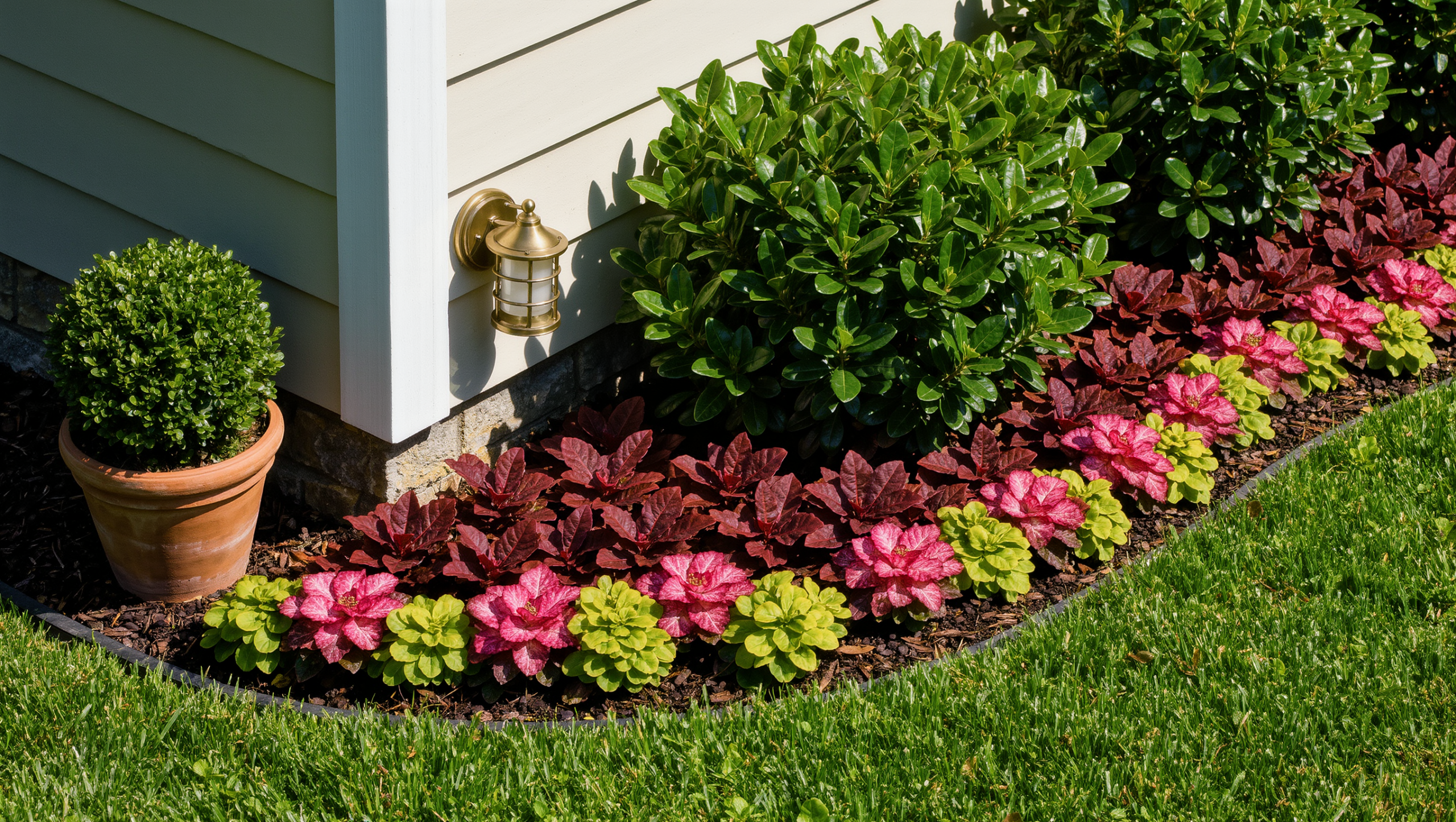
Flowers and greenery change the experience of a space the same way lighting, textiles, color, and art change an interior. A front porch with a chair is a front porch. Add a hanging basket, a few pots, and something green near the entrance and suddenly it feels inhabited.
A backyard can have perfectly good furniture and still feel unfinished. Put flowers around the places where people actually sit and move, and the whole thing starts to feel less like a yard with objects in it and more like a place you meant to spend time.
That difference matters to me because I do spend time outside. A lot of it, when the weather gives me the chance. I want the view from the chair to feel good. I want the walk out the door to feel different from walking into a bare utility space. I want the yard to look alive because it makes the yard feel alive.
A short growing season changes the calculation
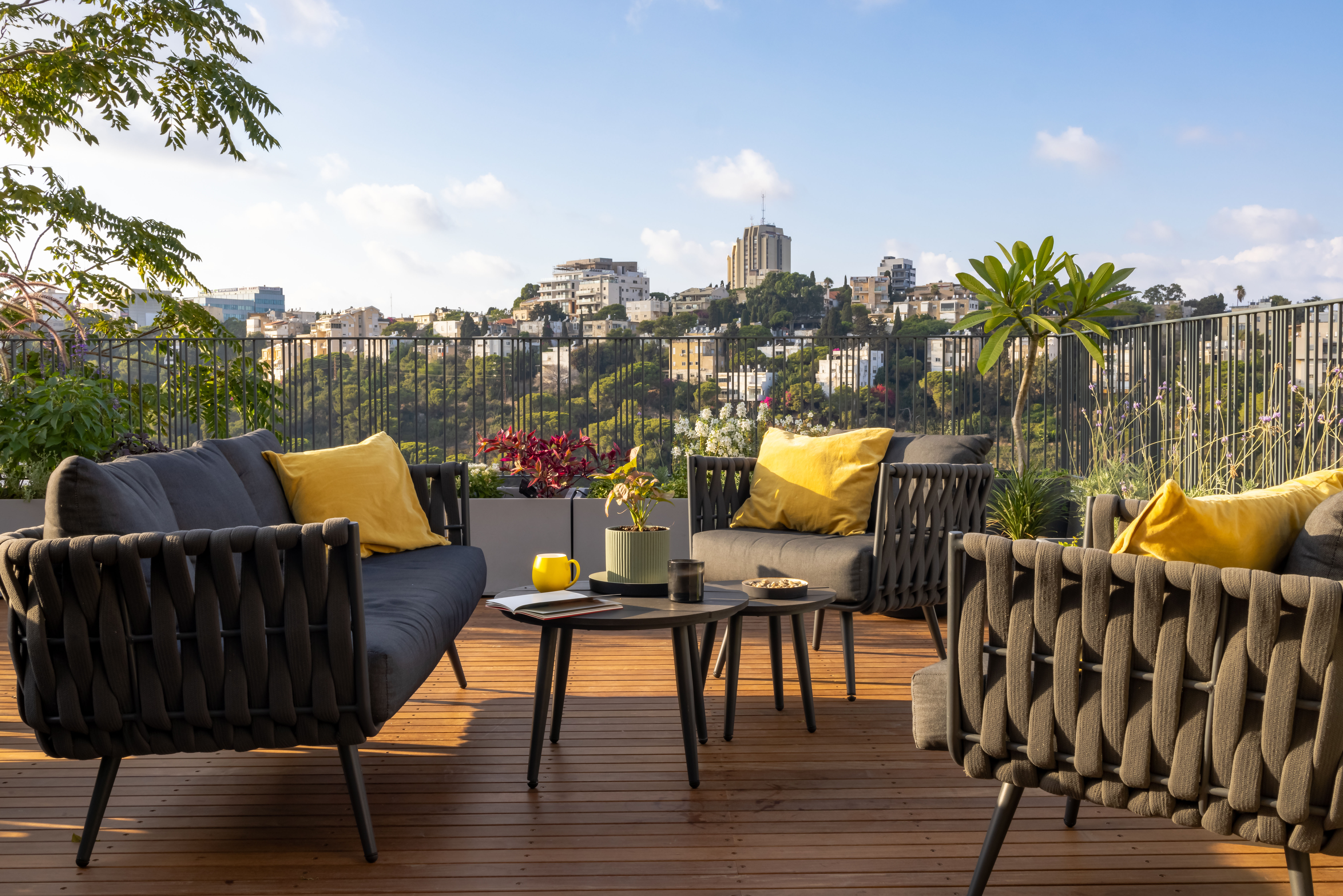
When summer is brief, I think you become a little less patient with the idea that the yard can get interesting eventually.
I would rather make a strong move early and enjoy it for as much of the season as I can. That is why I use containers, hanging baskets, and planted areas together. They let me put the color and greenery where I actually want it instead of waiting for the landscape to do all of the work on its own.
The nice part about pots is that they can also solve very specific problems. A blank corner. A hard edge. A place where the deck meets the yard and everything suddenly looks unfinished. A porch that needs height. A seating area that needs something softer around it.
Those flowers are shape, color, height, and texture in the room.
I used to grow vegetables too. Then I wanted a summer.
I used to do vegetables along with everything else, and I liked the idea of it. The reality was less charming.
Vegetables wanted more of my attention. They had timing. They had problems that seemed to appear exactly when I had something else to do. Sun exposure and heat could become a bigger issue. And if we wanted to travel during the summer, suddenly the garden was another thing that needed a plan.
There is nothing wrong with that if growing food is the thing you love doing. For me, eventually the amount of attention it required started competing with the part of summer where I wanted to actually have a personal life.
Flowers have been a better bargain for me. They still require work. I am not going to pretend I plant everything and then spend the rest of the season admiring it from a chaise lounge. There is watering. There is deadheading. There are things that fail because apparently they had other plans.
But in my yard, flowers give me more visual return without demanding the same level of supervision that vegetables did.
That trade was worth it.
Herbs, however, are still invited
Herbs are my exception.
They are useful, they are green, they smell good, and they earn their space twice. They can live alongside flowers without turning the yard into another full-time responsibility, and I actually use them.
I like anything that can be both practical and beautiful. Herbs fit that perfectly.
A pot of herbs near where you cook or eat outside earns its keep in the kitchen and then keeps working, giving the area texture and life. It also has the nice side effect of making the whole setup look like somebody actually uses the space instead of staging it for a photograph.
The best place for flowers is where you will actually see them
If you do not want to spend a week planting, do not. You do not need my level of commitment to get most of the effect.
Put the effort where your eyes go.
If you use the front porch every day, start there. If you sit on the deck every evening, put flowers around the deck. If you have one window you constantly look through from the kitchen, give yourself something worth looking at outside it.
I would rather have three areas that feel deliberate than flowers scattered everywhere with no relationship to how the space is actually used.
Think about entrances, seating areas, transitions, and sightlines. Those are the outdoor equivalent of the places inside a room where the eye naturally lands.
You are allowed to choose the version that fits your life
A lot of home advice gets irritating at exactly this point. Something starts as a nice idea and ends as another list of things you are apparently failing to maintain.
That is not the point.
If vegetables make you happy, grow vegetables. If you love fussing over unusual plants, fuss away. If you want two hanging baskets and one pot by the front door because that is exactly as much watering as you intend to do, that works too.
Ask how much life you can add to the space without creating a maintenance job you resent. The yard can almost always hold more than you can happily water.
I have learned that my answer is flowers, greenery, and herbs. Enough to make the exterior feel full and alive, but not so much productive gardening that I cannot leave town without negotiating with a tomato plant.
The outside should feel lived in too
This is really the same argument I make about interiors.
A house feels better when it looks like somebody enjoys being there. Green things help. Color helps. Signs of actual use help. A little softness around hard architecture helps.
Flowers do all of that outside almost immediately.
They soften railings and fences. They break up big expanses of siding and concrete. They make a seating area feel more enclosed. They pull color through a yard. They mark a plain entrance as the way in. They give you something alive to look at while you drink your coffee or sit outside after dinner.
And, at least for me, they make the entire season feel more present.
I know they take work. I spend the week planting them, and I keep caring for them afterward. I just also know what the house feels like without them, and for me the difference is worth the trouble.
The same instinct works indoors at a smaller scale, where flowers can shape a room instead of decorating a surface. Outside, when a seating area is missing its edges, planting can build the walls.
The goal is an exterior that feels as lived in as the rooms on the other side of the door.
Same problem, elsewhere in the house
Room notes
Keep the room on the record.
One useful note at a time: what to test, what to ignore, and what changed when the room got another vote.