Light and Atmosphere
When a Plant Room Becomes a Parking Lot for Pots
Design a plant room as living architecture by assigning greenery jobs—frame, divide, shade, soften, screen, and guide the eye—while respecting real light and maintenance.
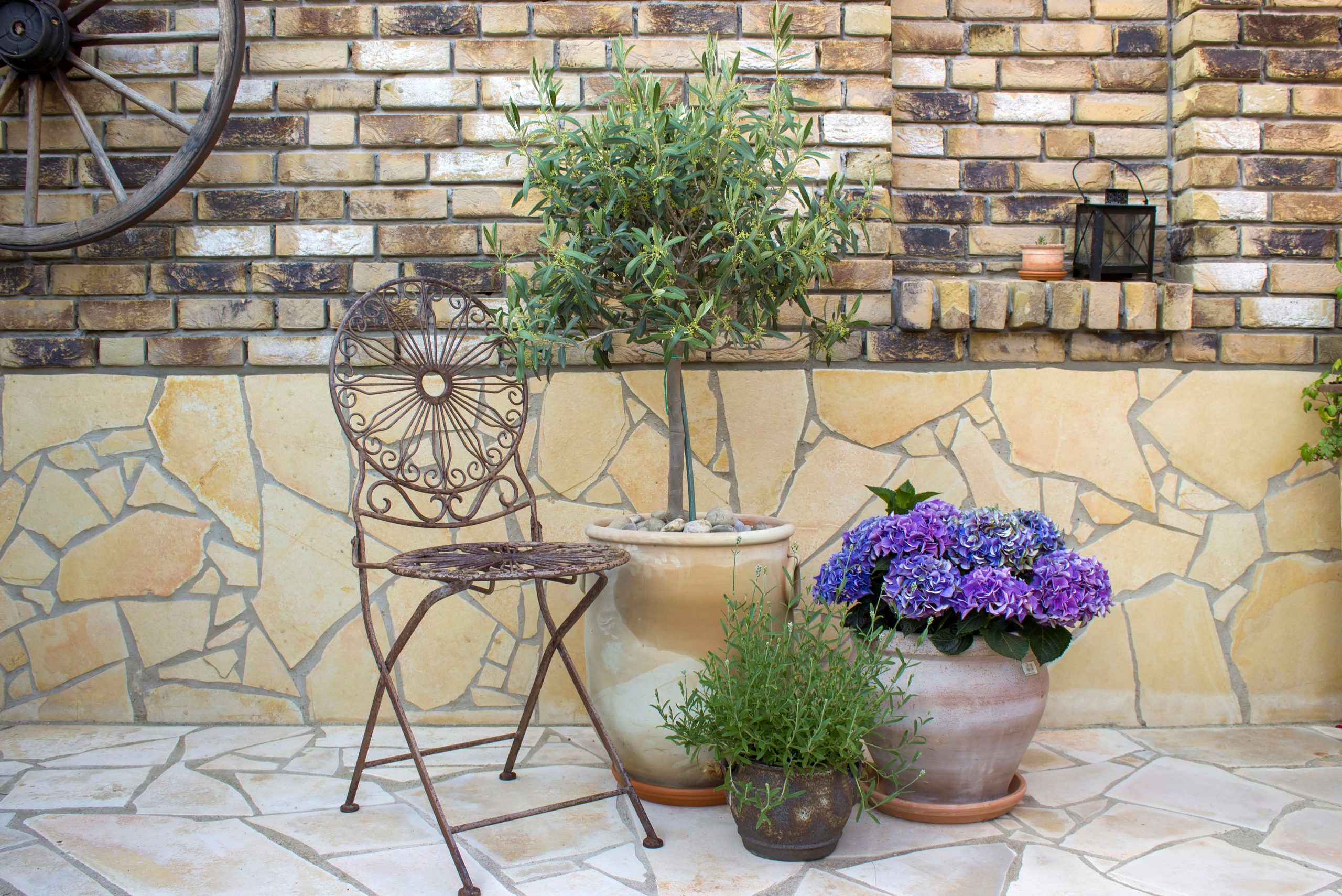
A plant room is not a shelf full of pots.
Greenery becomes spatial when it changes the room’s edges, height, privacy, light, movement, or sense of enclosure. One tall plant can create architecture. Twenty small pots can create watering administration.
The goal is a room where plants and people both have viable conditions.
Start with the room’s human job
Reading, breakfast, conversation, work, bathing, or simply passing through: the room needs a primary use before the plants are assigned territory.
Protect the best seat, table, route, and working surface. Plants should reinforce those functions rather than gradually displacing them.
Map the real light
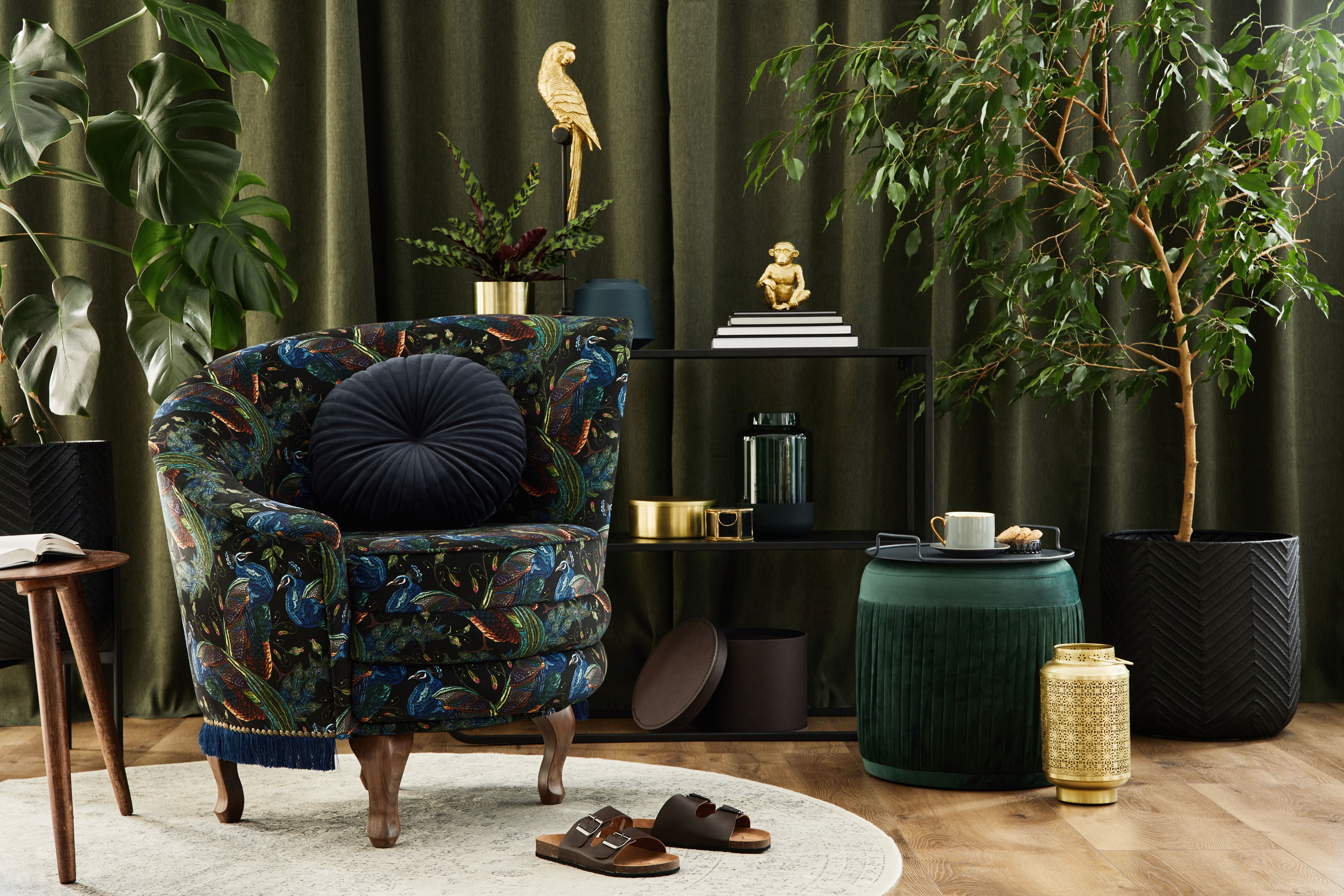
Observe the room across the day and season. Direct sun, bright indirect light, deep shade, and reflected light vary dramatically within the same room.
Choose plants for the actual conditions and distance from the window. A bright room label does not guarantee adequate light in every corner.
Move plants toward viable light rather than forcing the furniture to serve a plant location that does not work.
Use plants as vertical architecture
Tall plants can soften a blank corner, frame a doorway, create a partial screen, or connect low furniture to a high ceiling.
Climbers, hanging plants, and vertical supports can use upper volume when the structure and care requirements allow.
Plan for mature growth. The plant bought at three feet may be six feet wide later and have opinions about the route.
Group instead of scattering
Several plants grouped by compatible light and care can create one strong green mass and simplify watering.
Scattering one small pot onto every shelf, sill, table, and cabinet can make the room visually busy and maintenance-heavy without creating much spatial effect.
Concentration gives greenery authority.
Use plants to make boundaries softer
A row or group of plants can create privacy, screen an unattractive view, soften a hard furniture edge, or distinguish zones in an open room.
Keep the boundary permeable enough that light, airflow, and circulation remain functional.
A plant screen should not become a hedge inside the house unless the room genuinely has the scale and care capacity for it.
Give the eye a green destination
A plant at the far end of a hallway, beside a window, or behind a reading chair can pull the eye toward light and give the route a destination.
Place the strongest plant where it changes the room’s composition rather than where an empty pot happened to fit.
Plan watering as infrastructure
Where does water come from? How far is the route? Which pots drain? Which need to be lifted? Where can spills be handled safely?
Use saucers, liners, trays, or other appropriate protection for the container and surface. Check the plant’s needs; decorative cachepots do not automatically provide correct drainage.
A plant room should not require carrying heavy wet pots across a polished floor every weekend.
Protect surfaces from moisture
Water, condensation, damp soil, and humidity are patient. A saucer that overflows once a week will write its history into a wooden floor or a painted sill long before anyone notices the ring, and the fiddle-leaf fig gets the credit for the mood while the floorboard takes the damage.
Use suitable containers and protective layers, and address leaks or persistent moisture rather than accepting them as part of indoor gardening.
Plants do not make building moisture problems decorative.
Choose pots for scale and stability
A large plant in a tiny pot looks like somebody wearing a younger sibling’s shoes, and it may tip over or run out of root room.
Very large containers add weight and can be difficult to move.
Choose the container for the plant, mature size, surface, route, and maintenance—not simply because the pot matches the room.
Heavy planters deserve careful placement, especially on upper floors or delicate surfaces.
Keep toxic or irritating plants appropriately located
A floor plant sits at exactly the height where a toddler tastes things and a cat tests them. Check toxicity, thorns, irritating sap, and dropped leaves before deciding what lives down there.
The visually perfect floor plant beside the dog’s bed may not be a sensible match.
Use artificial greenery with judgment
Faux plants can work where light, maintenance, travel, allergies, or access make living plants impractical. Choose forms and placement that do not depend on close inspection for their effect.
Keep them clean. Dust is the fastest way for artificial greenery to announce its biography.
A convincing artificial branch or large foliage form can be more successful than many small fake plants trying to simulate a collection.
Let winter look different
Growth, watering, light, and the visual density of some plants change seasonally. Move plants when needed and accept that the room may have a different green composition in winter.
Do not force a permanent arrangement when the plants’ conditions are not permanent.
Use light after dark to keep the plants architectural
A lamp washing through leaves, light on a large plant, or illumination of the wall behind it can keep greenery part of the room after sunset.
Avoid placing heat-producing or unsuitable fixtures too close to foliage. Follow fixture and plant requirements.
Use Lighting when the room’s green structure disappears at night.
Keep the collection within the maintenance budget
Count watering, pruning, repotting, pest checks, cleaning, moving, and seasonal adjustment. The right number of plants is the number the household can care for without the room becoming a triage unit.
Release, gift, or relocate plants that no longer fit the conditions rather than preserving the collection at the expense of the room.
Fewer plants, stronger scale
Greenery should change the architecture and the atmosphere without taking the room hostage, which in practice means fewer plants at a larger size, care grouped so one watering round covers it, surfaces protected, and the human activity still holding the middle of the floor. Push the people to the edges and the room belongs to the plants, who will not be grateful.
The room should feel cultivated, not colonized.
Same problem, elsewhere in the house
Room notes
Keep the room on the record.
One useful note at a time: what to test, what to ignore, and what changed when the room got another vote.