Function and Flow
Repurposed Materials Without the Salvage-Yard Costume
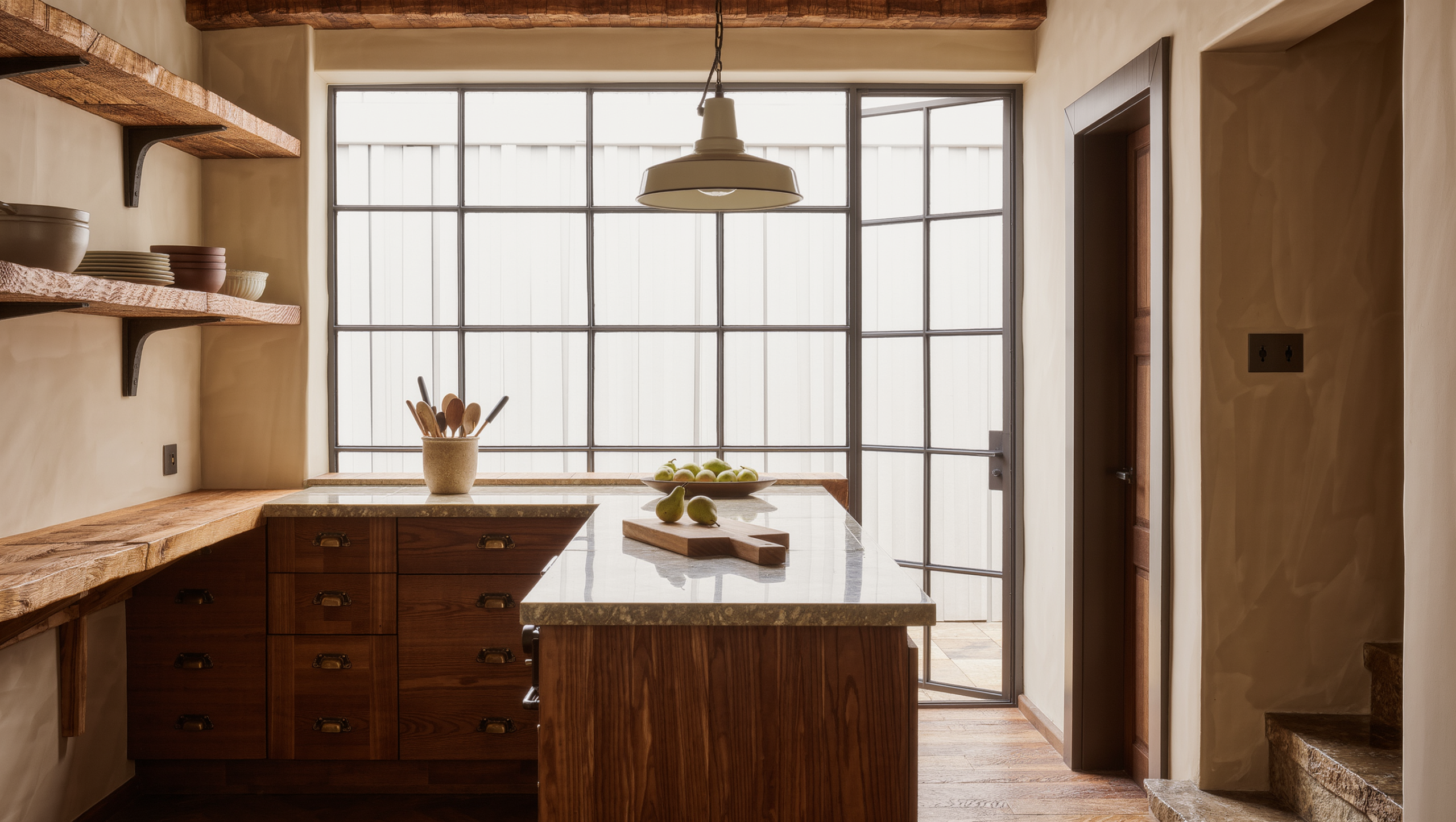
Use reclaimed wood, vintage hardware, reused stone, architectural salvage, and repurposed furniture where the material improves function, texture, history, or durability—not simply to perform rustic authenticity.
A reclaimed board does not become good design simply because it survived another building.
Repurposed materials can give a room history, texture, lower-waste usefulness, and details that are difficult to buy new. They can also bring splinters, incompatible dimensions, mystery finishes, structural uncertainty, and an entire room that suddenly looks like a restaurant called The Foundry.
The point is to keep good material working, not to advertise the fact.
Start with the job the material needs to do
Decide whether the material is being asked to carry weight, resist water, handle heat, tolerate wear, provide storage, cover a surface, or simply add visual character. The more demanding the job, the more condition and suitability matter.
An old door used as wall art has different requirements from an old door reused as an actual door. Decorative reuse is forgiving. Functional reuse needs verification.
Separate patina from damage
Wear can be beautiful: softened edges, old tool marks, faded finish, oxidation, repair history. Damage is different: rot, active corrosion, instability, sharp edges, delamination, infestation, contamination, or failure at joints.
Do not romanticize deterioration. If material condition is uncertain—especially for structural use, old coatings, electrical components, plumbing fixtures, or load-bearing pieces—get qualified assessment before installation or disturbance.
Use one substantial reclaimed move
A single reclaimed cabinet, stone top, large table, pair of doors, salvaged sink, or run of old shelving can establish enough history for the room. Scatter ten small salvage objects around it and the material story weakens into décor.
Scale gives repurposed material authority. Let the strongest piece breathe.
Mix old material with clean new work
Reclaimed materials often look best against something precise: new plaster, simple paint, clean cabinetry, contemporary lighting, or restrained hardware. Contrast makes the age legible without turning the room into period reconstruction.
The new element does not need to imitate the old. Let one be crisp and one carry history.
Measure before falling in love
Architectural salvage was made for another building. Doors may be too narrow, mantels too large, cabinet fronts irregular, and stone slabs cut for obsolete conditions.
Measure the destination, clearances, attachment points, wall depth, floor level, and delivery route before buying. A beautiful object that cannot get through the stairwell remains beautiful somewhere else.
Know what can be adapted safely
Furniture and decorative pieces are often easier to repurpose than building components. Turning a chest into a vanity, old doors into panels, or a worktable into an island may involve plumbing, electrical, moisture, stability, or attachment requirements that need professional input.
Do not drill, sand, strip, or cut unknown old coatings or materials casually. Older finishes and building products can contain hazardous substances. When age or composition is uncertain, use appropriate testing and professional guidance.
Small details: hardware, and the repairs you can see
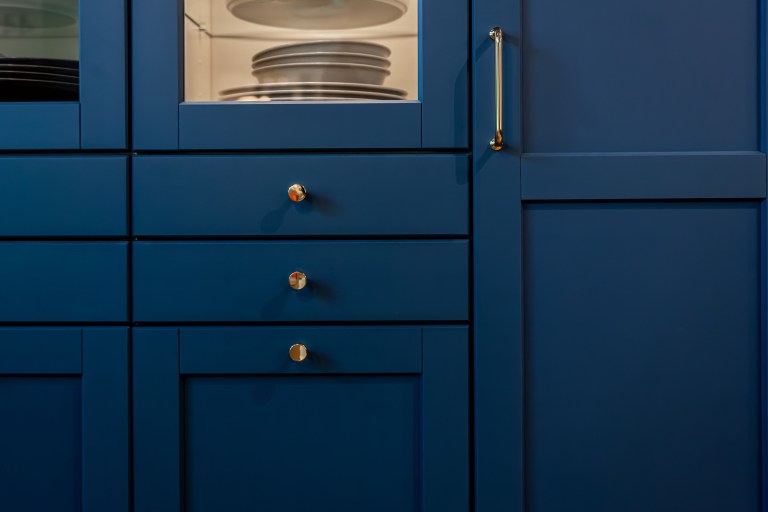
Old knobs, pulls, hinges, hooks and latches add detail cheaply and at exactly the scale where age reads best. Check the boring things first — door or drawer thickness, screw spacing, weight, whether the thing will actually operate — and keep the original hardware in a bag when you modify existing furniture so the change stays reversible. One hard line: decorative vintage hardware does not go anywhere a modern safety-rated component is required. That is not a style question and it does not get a pass for being beautiful.
A visible old repair is frequently the best thing on a piece. A neat patch, a mended joint, a section somebody clearly cared enough to save — that is the object telling the truth about its life, and refinishing until the history disappears usually deletes the reason you wanted it. But visible and weak are different words. A repair you can see still has to hold, and a wobble you have decided to find characterful is still a wobble.
Price the upkeep, then price it again
Old wood may need sealing. Porous stone stains. Vintage upholstery often needs rebuilding from the frame out, which can cost more than the piece did. Metal keeps oxidising whether or not you find that charming. Irregular surfaces are harder to clean, and every seam, gouge and old tool mark you love from three feet away is somewhere crumbs go.
So ask who is doing that maintenance and how often, and answer honestly, because the second half of the reclaimed-material story is a labour cost nobody quotes at the salvage yard. I am firmly in favour of material with a history. I am not in favour of a dining table that requires a ritual. Character should not become a weekly punishment, and a piece you have started resenting has stopped being good design no matter where it came from.
Source with provenance where possible
Knowing where a material came from helps with condition, scale, age, and meaning. Architectural salvage dealers, reuse centers, estate sales, local fabricators, demolition-rescue organizations, and reputable vintage sellers can provide more context than an anonymous marketplace listing.
Do not invent provenance. “Old” and “antique-looking” are not the same as documented history.
Keep the room from becoming a theme
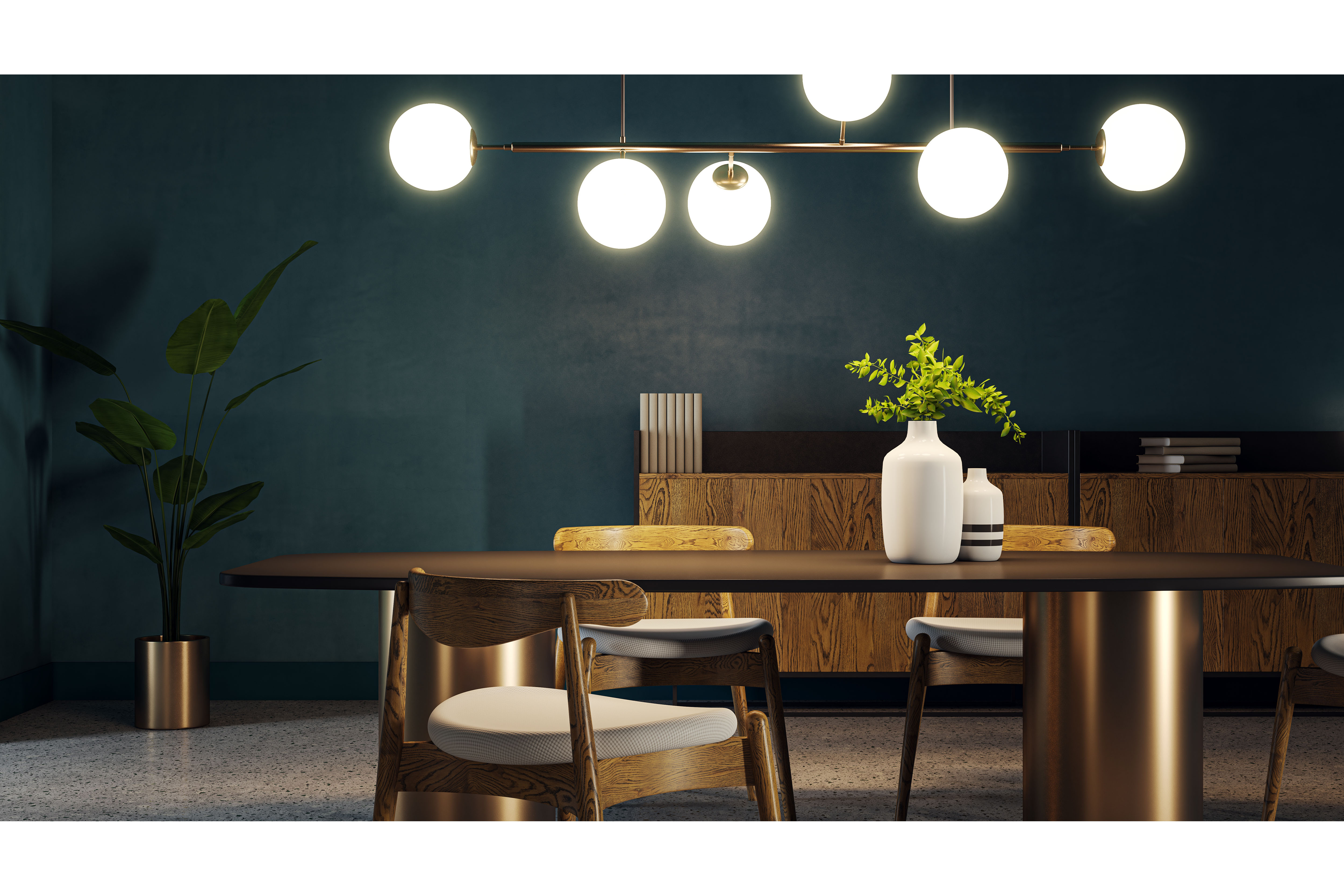
If the reclaimed material is rustic, the rest of the room does not need to become rustic. If the hardware is Victorian, the room does not need to become Victorian. If the table came from a factory, you are not obligated to install an Edison bulb over it.
Use age as one layer in a larger composition.
A repurposed-material checklist
- What job will this material perform?
- Is the condition suitable for that job?
- Does it fit the actual destination and delivery route?
- Does adaptation introduce structural, electrical, plumbing, moisture, or safety issues?
- What maintenance does it require?
- Can one substantial piece do the work of several small salvage accents?
- Would you still want it if nobody knew it was reclaimed?
See The Reference Room and Methodology for related material and decision-making guidance.
The test is whether the piece looks like it belongs here now, or like it is still standing in the room explaining where it used to live. Salvage that has to keep justifying itself never really settles. The good version stops being reclaimed at some point and simply becomes the table.
Same problem, elsewhere in the house
Room notes
Keep the room on the record.
One useful note at a time: what to test, what to ignore, and what changed when the room got another vote.