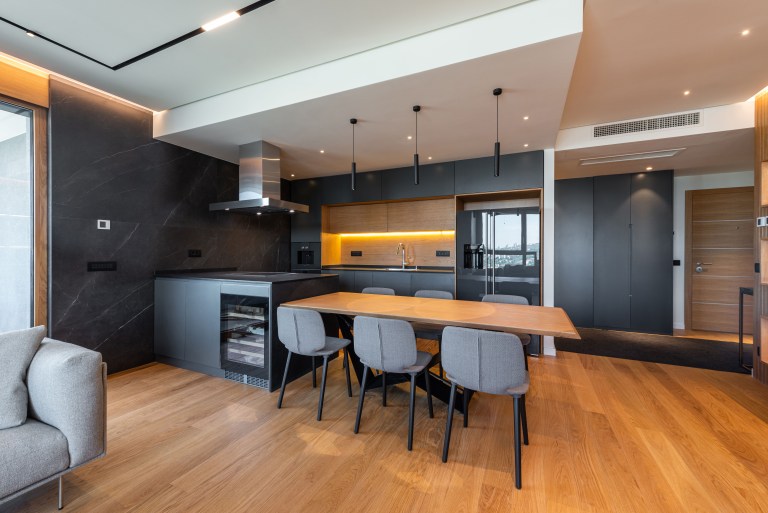
Furniture and Scale
Collected, Not Themed: How to Mix Vintage Pieces Into a Modern Room
Mix vintage and modern furniture by balancing scale, function, finish, repetition, repair quality, and negative space so old pieces add history without turning the room into a period set.
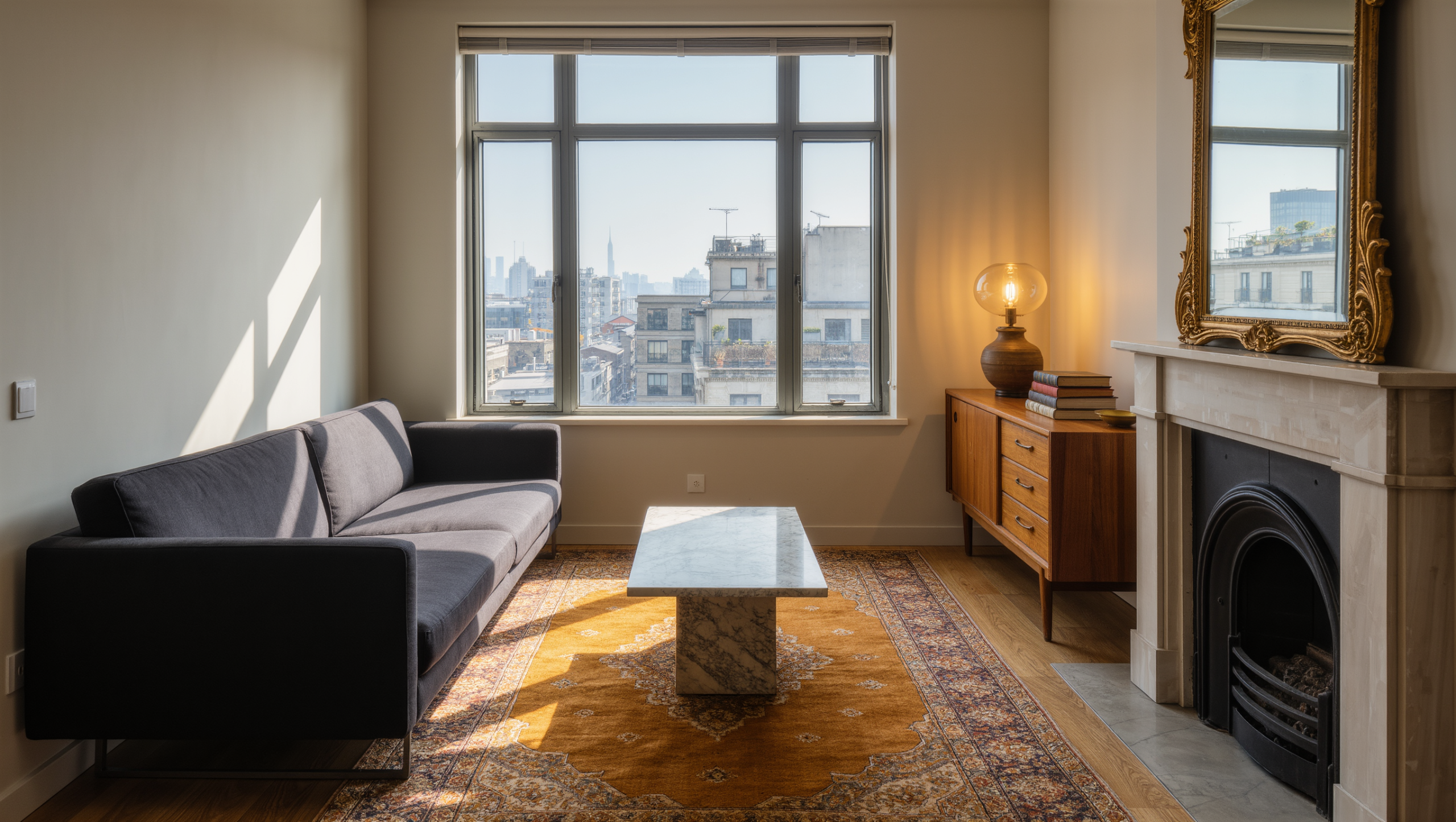
A collected room should look as though interesting things arrived over time—not as though “vintage” was selected from a dropdown.
Older furniture, lighting, art, rugs, mirrors, and objects can give a room depth that new pieces need years to acquire. But the useful question was never the old-to-new ratio. It is whether these particular objects, from whatever decade, can be made to answer to the same room.
Age is not a qualification
This is where I part company with a good deal of antique advice: old does not mean good. It means old. Some of the worst furniture ever produced has survived precisely because nobody liked it enough to wear it out, and a century later it is being sold as character. A vintage chair still has to be comfortable. A cabinet still has to hold something. A dining table still has to fit bodies, circulation, and a serving dish at the same time. Provenance is not a defence against being bad at the job.
So choose old pieces for work they can actually do, and let the history be the second reason you love them rather than the first. If the story is carrying all the load, it is not a piece of furniture. It is an anecdote you have to walk around.
Use scale to make different eras belong together
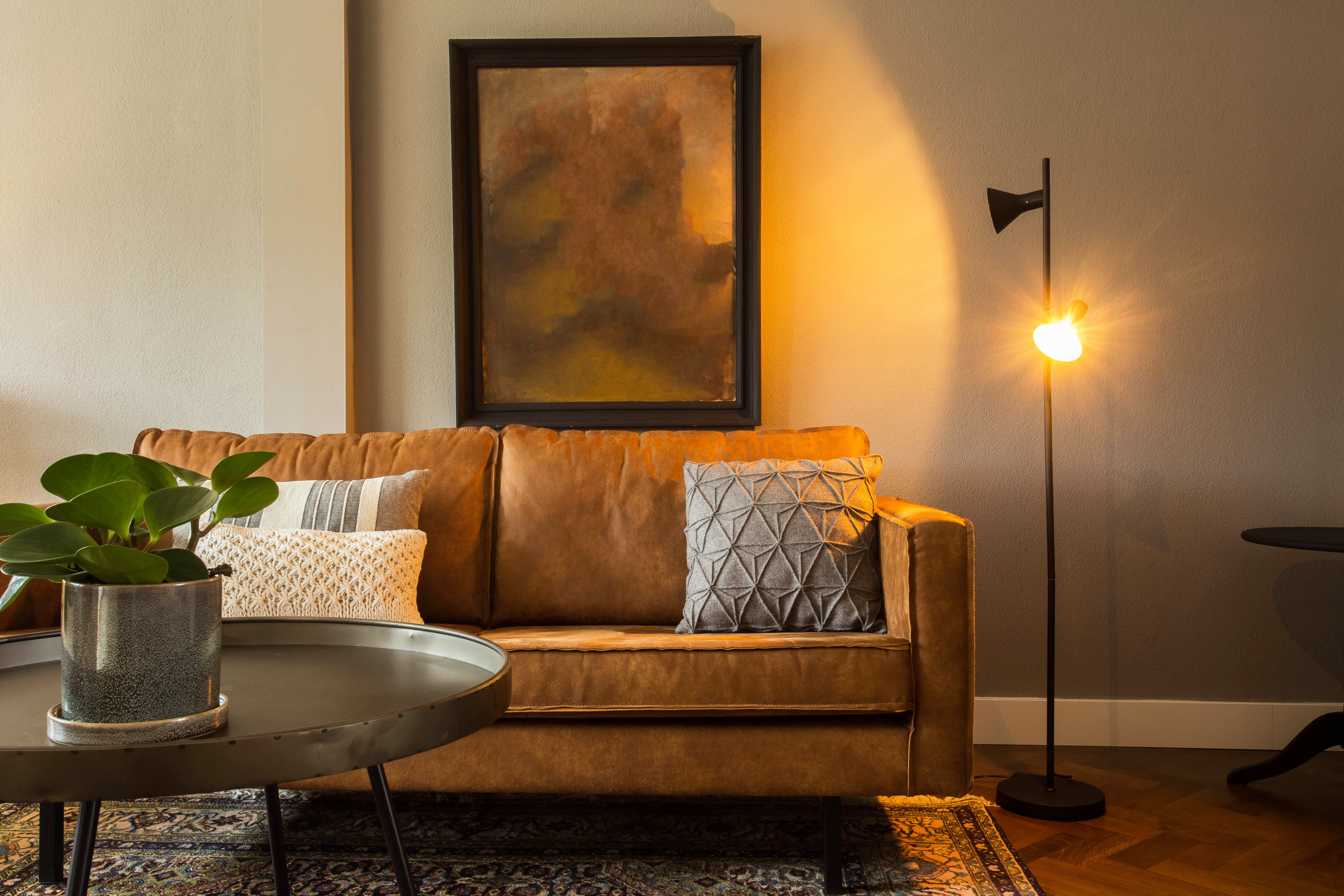
A delicate antique side table can disappear beside a massive contemporary sofa. A heavy vintage armoire can dominate a small room even if its style is beautiful.
Compare visual weight before style labels. Dark wood, closed bases, carved detail, and thick upholstery can read heavier than open metal, pale finishes, and simple forms.
Repeat one material or color across eras
Connection can come from brass appearing in an old lamp and new hardware, a dark wood tone repeated in two unrelated pieces, or a color echoed between vintage art and contemporary upholstery.
The pieces need one or two visual reasons to coexist. Matching is not one of them.
Let one old piece carry authority
A large antique mirror, vintage cabinet, sculptural chair, or old table can become the room’s historical anchor. Once that piece has enough presence, smaller vintage objects can become supporting details rather than a collection of evidence.
Do not scatter ten minor antiques around the room when one substantial piece would create more confidence.
Eras, not costumes
A Victorian cabinet does not come with a requirement to buy Victorian accessories. A midcentury chair does not oblige you to acquire the midcentury lamp, the credenza, the starburst clock, and the sunburst mirror — and once all five are in place the room has stopped being a home and started being a set. Period consistency past a certain point reads as costume. One good old piece speaking in its own voice inside a contemporary room is far more convincing than a whole cast in matching outfits.
Detail levels want the same restraint. Ornate furniture generally wants quiet company: a carved chest against a plain wall registers clearly, while the same chest set against patterned wallpaper, beside patterned upholstery, under an ornate fixture, next to a gallery wall is simply one more texture in a room that has run out of hierarchy. The opposite failure is just as real. Drop a single aged piece into a very minimal room and it can read less like a decision and more like something the previous owner could not be bothered to move. It needs at least one other thing with age or texture to talk to.
Respect repair quality
Reupholstery, refinishing, rewiring, regluing, and structural repair can extend the life of a good piece. The goal is not to erase age but to make the object safe and functional for its next use.
Old electrical fixtures, unknown finishes, unstable furniture, and damaged structural components require appropriate professional assessment. Do not assume age equals craftsmanship or that a cosmetic repair solves a technical problem.
Know when refinishing removes the good part
Some wear is part of the piece’s character. Before stripping, painting, or aggressively sanding old furniture, decide what you are trying to improve. A new finish may solve damage; it may also erase depth that cannot be recreated.
When a piece may be historically or monetarily significant, seek qualified advice before major alteration.
Use upholstery to bridge eras
Fabric can make an old chair or bench speak to a newer room. A restrained textile can calm an ornate frame; an expressive textile can wake up a simple vintage silhouette.
Consider the actual wear, cleaning, sunlight, pets, children, and use level before choosing fabric. Restoration that cannot survive the household is not finished.
Leave enough negative space
Collected interiors are not the same as crowded interiors. Older pieces often have stronger silhouettes and more detail, so they need visual breathing room.
Clear a surface, separate two competing pieces, or let a wall remain quiet. The eye needs somewhere to rest before it can appreciate the collection.
Use art and objects to make the mix personal
Art, books, inherited objects, travel finds, and handmade pieces can connect old and new furniture without relying on matching style. Personal meaning gives the room a reason to feel collected rather than curated for effect.
Rotate smaller collections if every object begins demanding display space at once.
Do the “could this have arrived later?” test
A convincing collected room feels open to another chapter. If every object belongs to exactly the same era, finish, and style family, the room may feel complete but static.
Leave enough flexibility that a future piece can enter without forcing the entire room to be redesigned around it.
A vintage-mixing checklist
- Does the piece perform a real job?
- Is its scale credible beside the surrounding furniture?
- Is there one material, color, or shape that connects it to the room?
- Does it need repair, rewiring, or professional restoration?
- Is its age adding character or simply damage?
- Does the room have enough negative space for the piece to register?
- Would you still want it if nobody knew it was vintage?
See Objects That Change the Room and The Reference Room for related guidance on objects, materials, and composition.
That last question settles most arguments, and it is worth asking out loud in the shop, before the receipt: would you still want it if nobody knew it was vintage? If the honest answer is no, you are not buying a chair. You are buying the sentence you get to say about the chair.
Same problem, elsewhere in the house
Room notes
Keep the room on the record.
One useful note at a time: what to test, what to ignore, and what changed when the room got another vote.