Furniture and Scale
Objects That Change the Room: Nothing Sits There Without a Job
Choose objects for the job they perform—light, storage, reach, softness, memory, sound, or visual balance—so accessories strengthen the room instead of becoming decorative clutter.
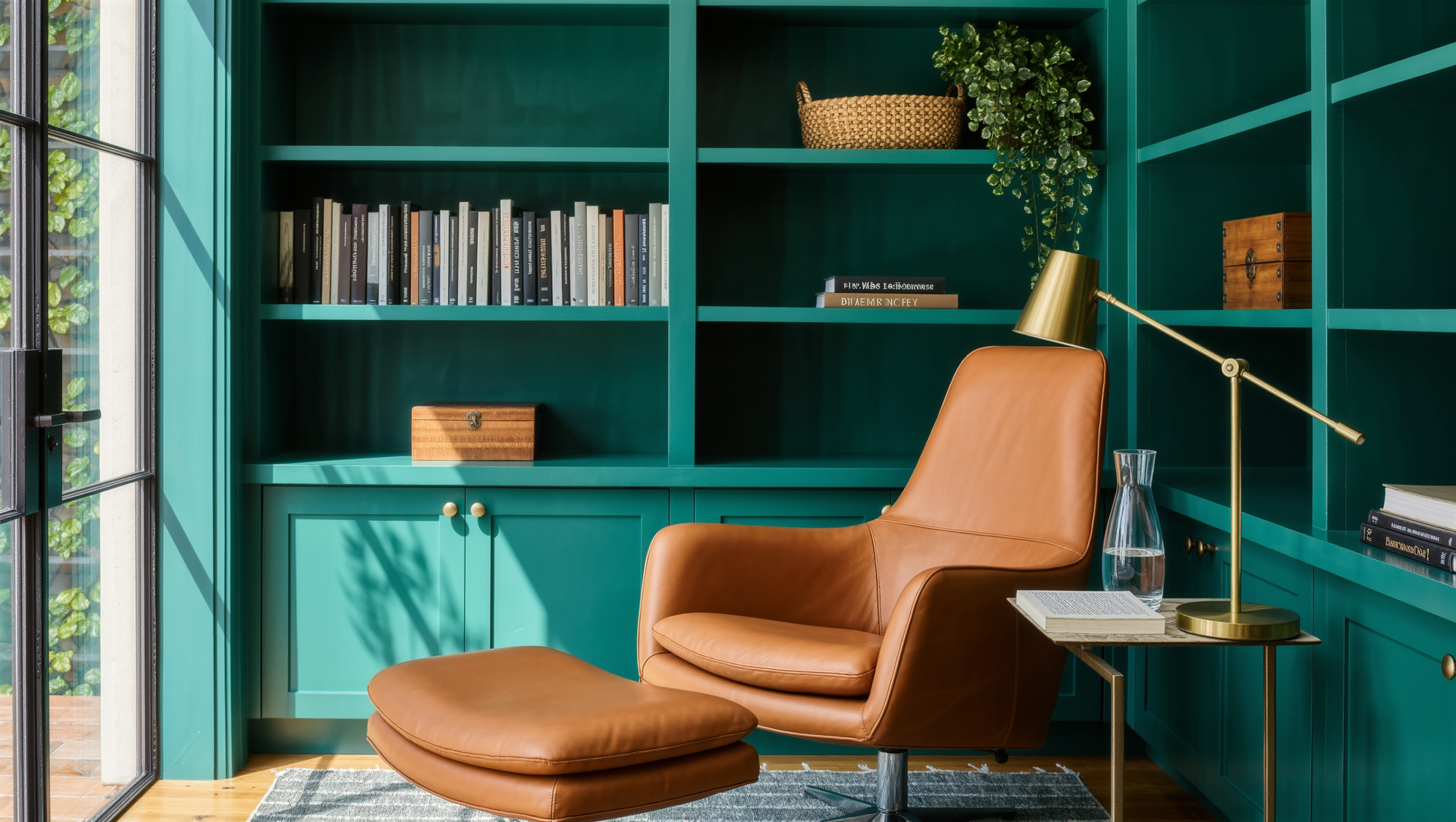
Nothing sits there without a job.
That does not mean every object must store something, illuminate something, or perform a small household service. Beauty, memory, humor, scale, and visual tension are legitimate jobs. The point is that an object should change the room in a way worth the space, maintenance, attention, and clutter risk it creates.
Objects are where rooms become personal. They are also where rooms become overexplained.
Start with the room before the object
Ask what the room needs more of: height, color, softness, history, shine, irregularity, humor, a focal point, or a visual pause.
Then choose an object capable of doing that job. Do not buy a beautiful thing and later invent a problem for it to solve.
One large object can beat several small ones
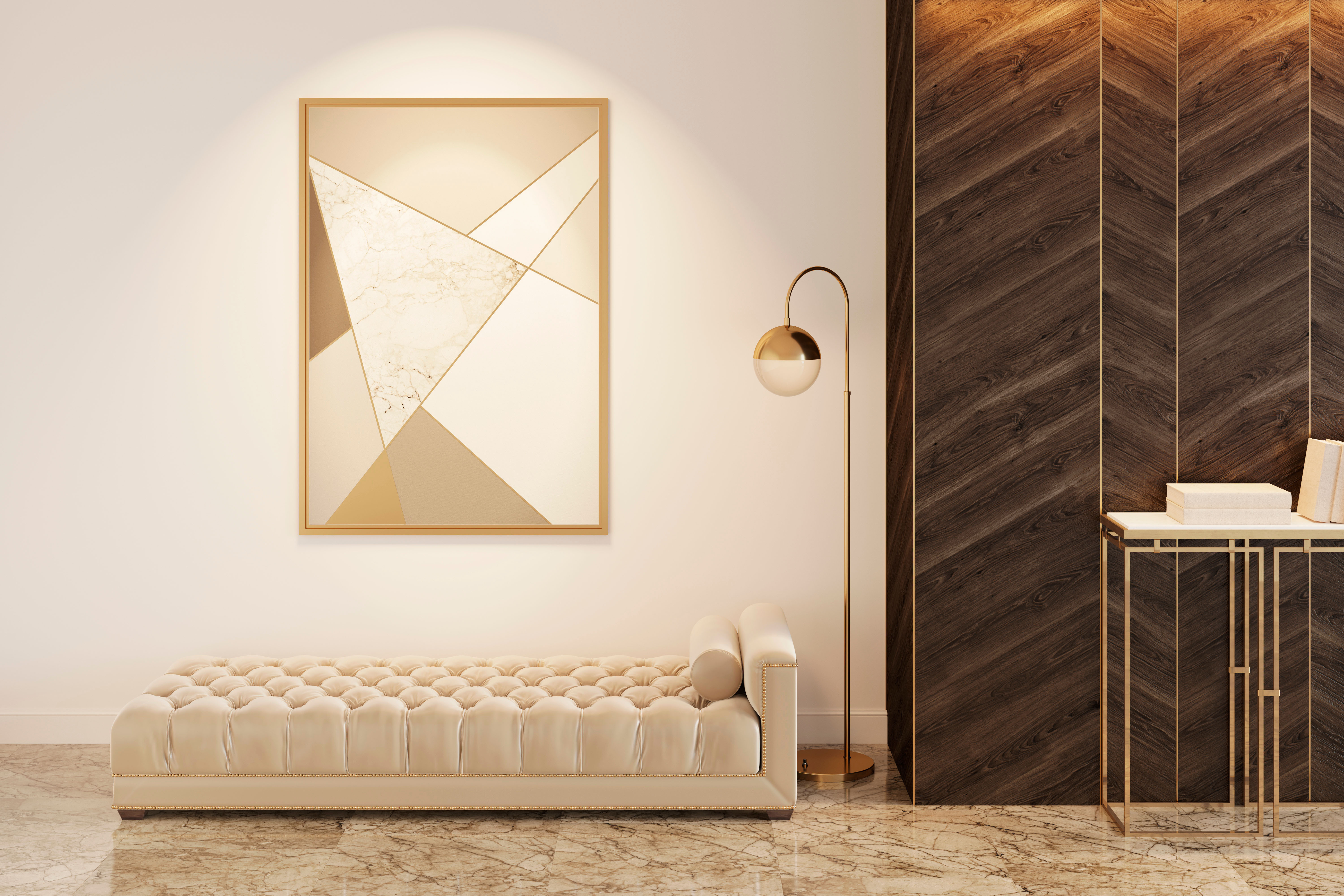
A substantial vessel, sculpture, lamp, artwork, or plant can give a surface or corner enough authority to stop collecting little decorative helpers.
Small objects create more edges and more visual decisions. In a room already carrying pattern, books, or strong furniture, one larger object may create more calm and more personality at once.
Give memory a real role
Inherited, collected, traveled-with, or personally meaningful objects can carry information no store can supply.
Let the strongest ones be visible enough to matter. Do not bury meaningful pieces inside a crowded shelf simply because every sentimental item has been granted equal display rights.
Meaning still benefits from editing.
Use objects to shift scale
A tall lamp can lift a low room. A large bowl can give a long table a center. A substantial object on a wide cabinet can balance the wall above.
Judge the object in relation to the furniture and architecture rather than in isolation. A tiny sculpture on a large sideboard may look timid even if it is beautiful up close.
Use texture to interrupt sameness
A room full of smooth new surfaces may benefit from rough ceramic, aged wood, woven fiber, stone, hand-worked metal, or another material with visible irregularity.
The object does not need to match. It needs to contribute a material quality the room is missing.
Contrast is often more useful than coordination. A lumpy hand-thrown bowl on a glossy white sideboard looks as though somebody lives there. A matching glossy white bowl looks as though the sideboard came with an accessory pack.
Use shine as a point of light
Glass, metal, lacquer, glaze, or polished stone can catch daylight and lamps, giving the eye a small bright event.
Keep reflective objects where the light can actually reach them and check for glare. One well-placed reflective piece can animate a dark palette; several glossy objects may turn the surface into visual static.
Give useful objects better design treatment
A tray, wastebasket, tissue box, blanket, carafe, bookend, lamp, or hook may remain visible because the room needs it.
When an ordinary object is persistently present, choose one that belongs to the material and color language rather than hiding it after every use.
This is different from buying decorative versions of every household necessity. Only the objects that genuinely stay in view deserve that attention.
Keep collections bounded
A collection becomes stronger when it has a defined territory: one shelf, cabinet, tabletop, wall, or tray.
Without a boundary, collecting expands until the room becomes a storage system for the collection.
Rotate pieces when necessary. The collection does not become less meaningful because every object is not visible simultaneously.
Use trays only when they clarify a group
A tray can make several small items read as one composition and can make them easier to move.
It should not become a stage on which unrelated objects are arranged because the surface looked empty. If the tray creates a cluster that has no shared use or visual logic, it has organized the clutter rather than resolved it.
Do not decorate every horizontal surface
Tables, benches, desks, consoles, and dressers need operating capacity. Leave room for a drink, package, book, laptop, laundry, or whatever the surface is actually asked to support.
A room becomes fragile when daily life instantly looks like clutter because every available surface has already been occupied by decor. The console with no room for keys gets the keys anyway, dropped on top of the carefully arranged coral.
Objects can create a sightline
A tall vase at the far end of a room, a bright artwork through a doorway, or a sculptural lamp in a corner can pull the eye toward a destination.
Use objects to strengthen the room’s spatial sequence rather than simply fill the nearest empty spot.
Check the object from more than one angle
A piece placed on an open shelf, island, console, or room divider may be seen from several directions. The back, base, cord, container, or support becomes part of the composition.
Design for the views people actually encounter. A styled photograph only has to work from one side of the room.
Count maintenance honestly
Objects collect dust, need polishing, watering, charging, cleaning, moving, or careful handling. The maintenance burden is part of their footprint.
A room with many fragile or high-maintenance objects may feel visually rich and operationally exhausting.
Keep the objects whose contribution is worth the care. A silver bowl that wants polishing every two weeks had better be doing something wonderful in between.
Use absence as a comparison
Remove the object for a week. If the room loses scale, memory, color, or focus, the object has proved its role.
If the room becomes calmer and nobody misses it, the object may be asking the room to maintain a relationship that no longer matters.
Do not confuse expensive with consequential
A flea-market lamp, inherited bowl, found branch, or framed child’s drawing can change a room more than an expensive accessory selected because it fits the palette.
The strongest objects are specific. Price may affect material and craft; it does not manufacture relevance.
Would the room miss it?
An object earns its place when the room would lose something meaningful without it: function, memory, scale, material tension, color, humor, light, or a better view.
Nothing sits there without a job—and pleasure is allowed to be one.
Use Material Stories and Furniture and Scale when the room needs fewer, stronger physical decisions.
Same problem, elsewhere in the house
Room notes
Keep the room on the record.
One useful note at a time: what to test, what to ignore, and what changed when the room got another vote.