Awkward Spaces
The End of the Bed Has More Jobs Than a Bench
The foot of the bed can hold storage, dressing space, a narrow desk, circulation, or nothing at all. Choose by clearance and daily routine instead of automatically adding a bench.
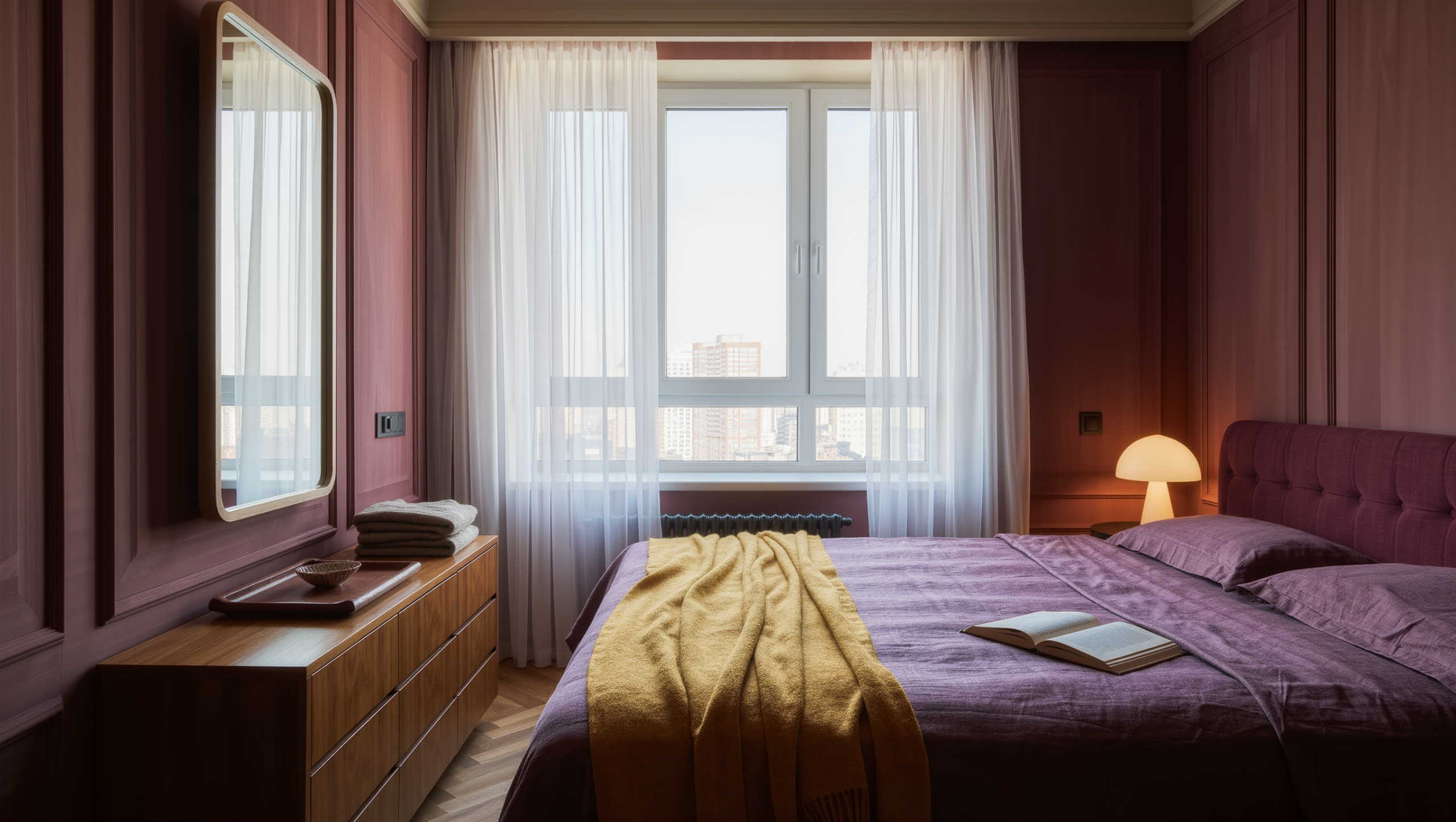
The end of the bed is one of those spaces furniture catalogs have already decided for you. Apparently it wants a bench.
Sometimes it does. Sometimes it needs circulation, luggage space, a dresser, a small desk, a pet route, nothing at all, or enough open floor that making the bed does not become a negotiation.
The correct object comes after the job.
The route decides this, not the catalog
Walk from the bed to the closet, the dresser, the bathroom, and the door, at the hour you actually make that trip, which is usually with your eyes half open. Notice whether the foot of the bed is part of that movement. In most bedrooms it is, and in most bedrooms nobody registered that before the bench arrived. A bench that narrows the most-used route in the house is not useful for being upholstered. Protect the walking line first; everything after this section is optional.
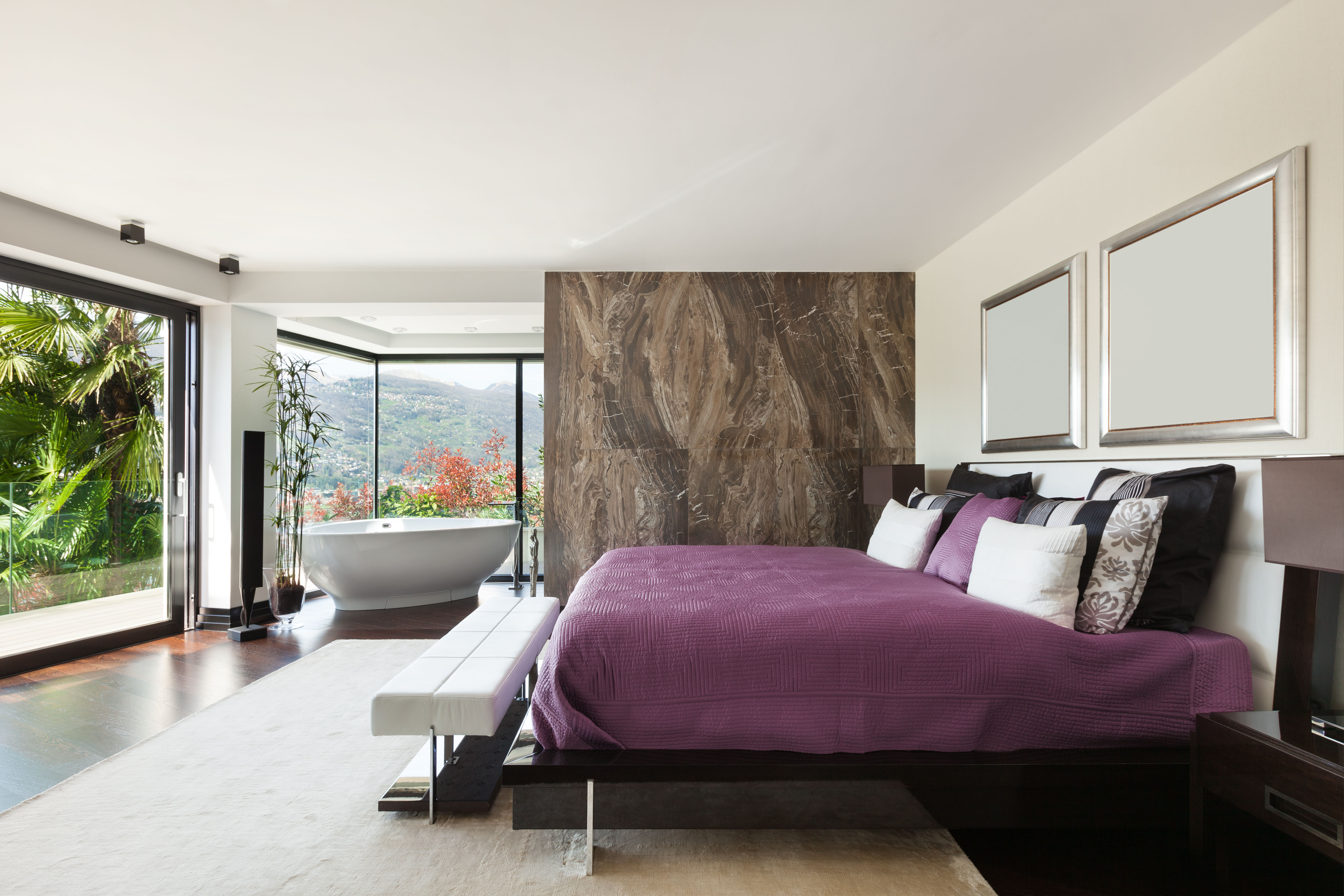
Whatever ends up there needs real separation — for walking, for making the bed, for opening drawers, and for sitting down if sitting is the point. Do not take a universal number from anywhere. Test it against this bed depth, this furniture, this body, this route.
Painter’s tape on the floor, or a cardboard box cut to the right footprint, answers the question in three mornings and costs nothing. It is the cheapest piece of evidence available anywhere in this room, and almost nobody collects it before the delivery is booked.
Benches, and the ways they quietly fail
Sitting to dress, setting down a bag, folding a throw, giving a very large bed a visual full stop — all real jobs, and a bench bought for one of them and used for it is a good bench. The failure state is almost universal: within a month it is permanent clothing storage. That is not a bench problem. It is the room reporting that it needs a different landing surface or more wardrobe, and a prettier bench will not change the message.
The storage version carries its own trap. A lift-up bench at the foot of the bed holds linens and seasonal things beautifully, provided the lid opens without moving the bench or anything else, and provided nothing heavy and daily lives inside a compartment that has to be lifted at an awkward angle. Check the lid clearance against the bed frame before buying. That is the dimension the product page never gives you.
In a guest room, skip the upholstery altogether. A luggage rack or a clear low surface is more use to a guest than a bench they will politely decline to sit on, and the route around it and the access to both sides of the bed matter more than the composition. Guest-room furniture exists to support the stay, not to complete the photograph of the bed.
A low dresser usually beats a bench
In a bedroom with the floor to spare, a low dresser at the foot of the bed supplies genuine storage and a strong horizontal mass, and it does both at once, which the bench never manages. Check the drawer operation with the drawers all the way out, the sightline from the pillows, television placement where that matters, and the route down both sides.
More function does not automatically buy more depth, though. A deep chest at the end of a bed can swallow the room’s best clearance and hand back storage that a taller, narrower piece against the side wall would have given you for half the floor.
A desk, occasionally
A shallow desk or table does work at the foot of the bed in some rooms, particularly where the bed faces a long wall or a window. Check chair movement, power, privacy, and whether the work ends up dominating the room visually. Then be honest about frequency: if the job happens most days, it deserves a proper setup rather than a narrow surface borrowed from the sleeping half of the house.
Keep the bed as the bedroom’s anchor
Whatever stands at the foot works for the bed, not against it. A tall, dark or busy piece there becomes a second headline, and the bed ends up looking as if it has been parked behind a sideboard. Keep the silhouette low, ideally below the top of the mattress. And if the bed and the wall behind it already have real authority (a velvet headboard, a mural, a canopy), let them have the room and leave the foot open.
The dog has an opinion and has already acted on it
Dogs and cats routinely use the foot of the bed as their approach, their landing zone, or their sleeping place, and they settled on it long before anybody drew a plan. Watch what already happens for a week.
A bench placed directly across that line does not stop the animal. It becomes a step. Then it becomes a step with claw marks in it, and the upholstery you chose so carefully now has a second career.
Empty floor is a legitimate answer
Open space at the foot of the bed makes dressing, cleaning, moving luggage, and simply looking at the bed all easier. A large bedroom is not obliged to put furniture in every available rectangle, and a room that feels calm and finished without a bench has already returned its verdict. Accept it.
If the foot looks unresolved but circulation needs to stay clear, a well-scaled rug anchors the bed without adding another object to walk around. Size and place it for the bed, the route, and what it feels like underfoot at six in the morning.
The bench is not compulsory
It is a piece of floor. It can carry seating, luggage, storage, work, visual balance, or movement — and movement is a job like any of the others, not the absence of one.
Give it whichever one this bedroom is actually short of. If the answer turns out to be none of them, the catalog will survive the disappointment.
Same problem, elsewhere in the house
Room notes
Keep the room on the record.
One useful note at a time: what to test, what to ignore, and what changed when the room got another vote.