Function and Flow
The Cat Tree Is Already Furniture
Pet furniture occupies floor space, sightlines and daily routines just like every other object in the room. Treat it as part of the plan instead of a beige afterthought in the corner.
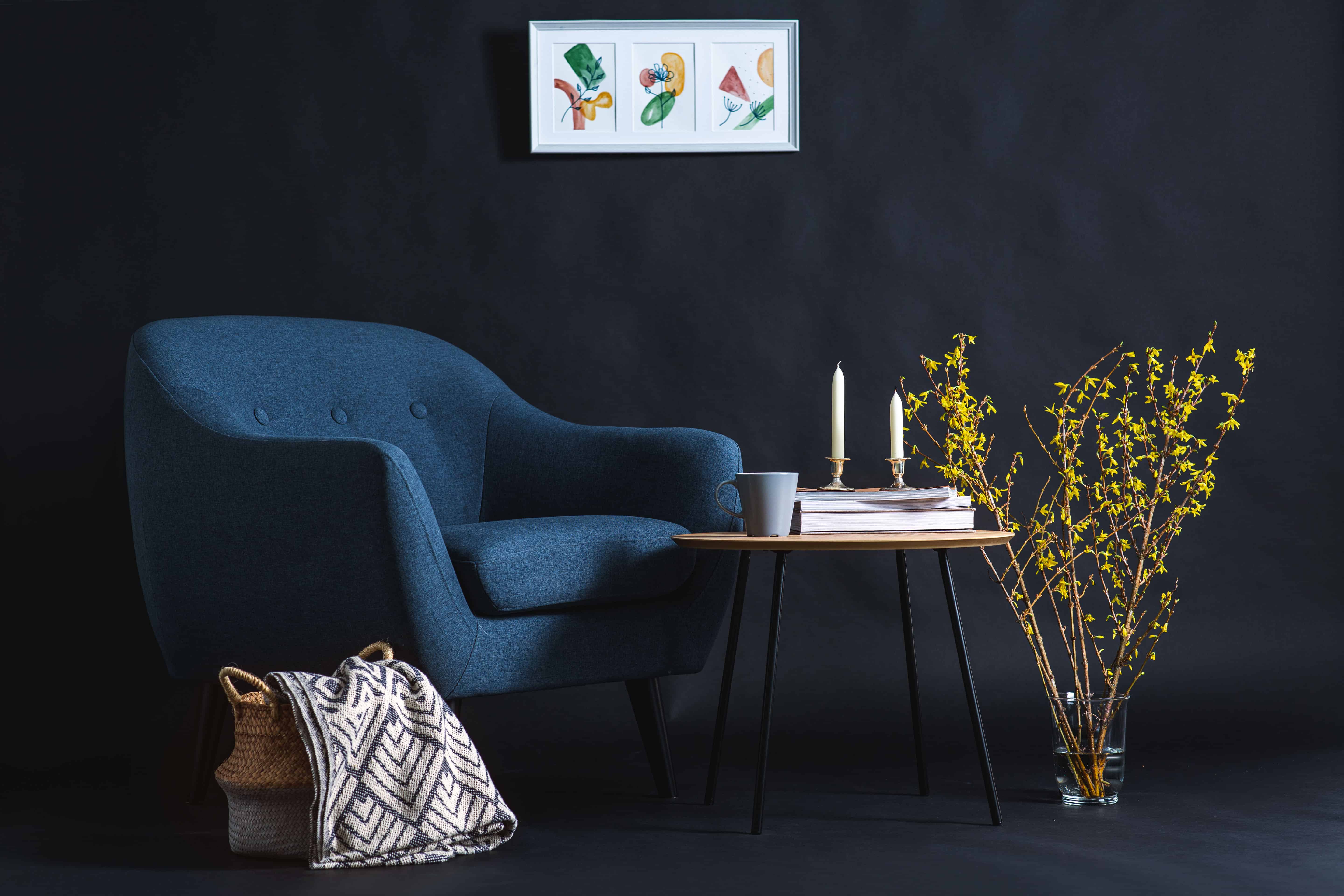
Room for Drama · Diagnosis Card
If the cat uses it every day, it is part of the floor plan.
Diagnose first. Buy last.
Pet furniture has spent years pretending it is not furniture.
Cat trees. Dog beds. Crates. Feeding stations. Scratching posts. Toy baskets. Steps to the sofa. Window perches.
They arrive in the room after the design is supposedly finished and are then expected to become invisible through force of will.
They do not.
The cat tree is already furniture.
It has height, footprint, material, color, sightline and a user with very strong opinions.
Follow the animal before you follow the furniture
Where does the pet actually go?
Which window gets watched? There is a doorway that forms part of the patrol, and the dog has already chosen where to settle when people are in the kitchen. The cat scratches that particular corner because the route between two rooms passes through it. And every animal keeps a retreat for when the house gets loud, selected without consulting anybody.
Those behaviors are the floor plan.
A pet bed placed in the decorative dead corner may look tidy and remain completely unused because the animal wants to be beside the sofa.
You end up owning a beautiful empty bed and a dog sleeping in the traffic path.
Put the object where the behavior already wants to happen, then make that location work.
Use scale honestly
A large dog bed is large furniture.
A tall cat tree is vertical architecture.
Do not purchase the smallest version because it is less visually intrusive if the animal does not fit comfortably or the object cannot do its job.
Instead, include the real dimensions in the room plan.
A substantial dog bed may replace a side table rather than squeeze beside one. A cat tree may work better aligned with a bookcase or window wall than floating as a separate tower. A crate may function as a strong rectangular volume that deserves breathing room around it.
Design is easier when the object is allowed to be the size it actually is.
Material matters because pets use furniture physically
People sit on furniture.
Animals claw, shed, lick, dig, chew, jump, rub and occasionally treat upholstery as a personal opinion survey.
Choose materials for the real behavior.
Washable covers. Durable textiles. Replaceable scratching surfaces. Finishes that tolerate cleaning. Stable bases. Construction appropriate to the size and activity of the animal.
This does not mean everything has to be gray performance fabric.
Color, pattern and texture can be useful because they hide ordinary wear better than a pale surface selected for a photograph of a house with no mammals in it.
The scratching post should be where scratching happens
A scratching post in the laundry room is not solving the sofa corner in the living room.
If a cat repeatedly scratches a particular transition or piece of furniture, that is information about location, surface and behavior. Use an appropriate scratching surface near the actual route, and consider veterinary or behavior guidance if scratching changes suddenly or becomes a broader problem.
From a room-design perspective, the important point is simple.
Do not locate pet equipment according to human embarrassment.
Locate it where it can succeed.
Window access is part of the vertical plan
Cats especially use height and view in ways many furniture plans ignore.
A perch near a window, stable shelf system designed for that use, or properly placed cat tree can give the animal a destination that does not involve the top of the dining cabinet.
But the object has to be stable, appropriately installed and safe for the animal and household.
Do not turn an improvised decorative shelf into climbing equipment because it happens to be near a window.
If vertical access is intentional, build it like it is being used.
Feeding stations need circulation too
Bowls often end up in the narrow strip of floor nobody else wanted.
Then people step over them six times a day.
Give feeding a location that is easy to clean, accessible to the pet and out of the primary walking line where possible. If multiple animals have different feeding needs, the layout may require separation rather than a prettier bowl holder.
A raised station, mat or cabinet detail can make the area look intentional if appropriate for the animal, but the practical requirements come first.
Water on the floor is not improved by an elegant stand that makes the spill harder to wipe up.
The toy basket is a retrieval system
This is the same problem as children’s toys with more squeaking.
A deep basket can hold everything and make nothing easy to reach. A dog may empty the entire thing to find one toy. A cat may ignore the basket and move the contents manually to the middle of the room.
Use a container that matches the animal’s access and the household cleanup rhythm.
If toys are in constant rotation, a low open basket may be better than closed storage. If the room needs to recover visually at night, one defined container can keep the objects from migrating across every surface.
Again: behavior first.
Pet furniture can repeat the room without matching it
You do not need a dog bed upholstered in the exact sofa fabric.
Thank goodness.
Choose one relationship instead.
A color from the rug. A wood tone that appears elsewhere. A woven texture. A dark frame that connects to lighting or hardware. A simple shape that sits comfortably beside the existing furniture.
The pet object should belong to the same room without becoming a miniature cosplay version of the human furniture.
Where the animal actually settles
Over a handful of ordinary days, notice where the animal chooses to rest, scratch, watch, eat and play.
Mark the places that repeat.
Lay those locations over the furniture plan.
Where is the conflict? Where is there an easy overlap? What object is currently sitting in the pet’s preferred place and losing the argument every day?
The room belongs to everybody living in it.
That includes the creature sleeping directly in the spot where the decorative stool was supposed to go.
The cat tree is furniture.
Design accordingly.
Related reading: Function and Flow Without the Pinterest Hangover
Same problem, elsewhere in the house


