Multi-Use Rooms
The Party Is Over. Can the Room Recover in Ten Minutes?
A hosting system is incomplete if the room cannot return to daily life.

On this page
15
A gathering is not spatially successful if the room remains unusable for three days afterward.
Hosting design includes the recovery sequence. The arrival, when everyone is through the door and the lamps look flattering, is the easy part to plan, and it is the part everybody plans. A fast reset is not evidence that the event was restrained. It is evidence that temporary changes had destinations, priorities, and an order of return.
Look at what the party leaves behind
- Temporary furniture has no storage destination.
- Event supplies mix with everyday categories.
- Waste, dishes, and furniture reset share one congested path.
- The host relies on memory rather than a sequence.
- Decorative objects are moved several times before reaching their final place.
- The main route remains blocked until the entire room is restored.
These patterns turn cleanup into a reconstruction project.
Design backward from the normal room
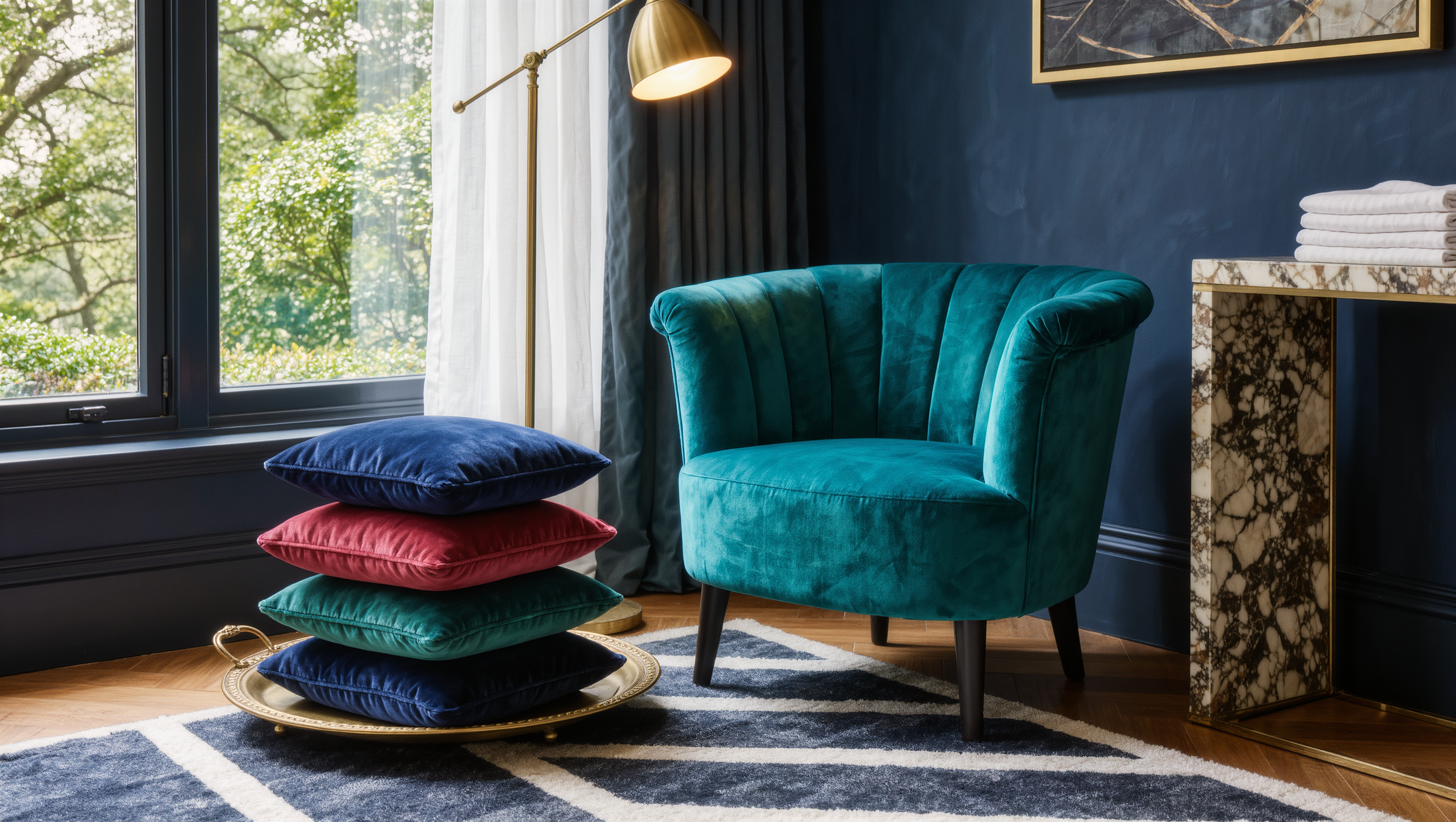
Before you move anything, give it a parking place and a return position. Photograph the everyday layout so the reset does not become interpretive dance. Group objects moved from the same zone together rather than distributing them across the house.
The event setup should know where it is going home before the first chair moves.
Decide what must recover first
The room has to function first; looking finished can wait.
- Safety and access: clear doors, stairs, thresholds, and the main route.
- Waste and dishes: remove what does not belong in the room.
- Primary furniture: return the pieces required for ordinary use.
- Working surfaces and light: restore tables, lamps, switches, and chargers.
- Decorative detail: return objects only after the room is operational.
Run it in that order and styling never gets to hold up basic function.
Keep event supplies together
Trays, extra linens, serving pieces, candles, temporary lighting, and the rest of the party accessories go back as one kit, not scattered into whatever closet happened to be nearest at the time. Anything that depends on you remembering where it lives is a thing that will not go back. Reduce what you have to remember and the room recovers on its own.
Store the kit near where you prepare it or use it, when that is practical. Label it when several people help with setup or cleanup. Keep the categories simple enough that nobody needs a manual, because at the end of a party nobody is going to read one.
Give coats and bags a temporary zone
Guest belongings are usually the first thing to break circulation, and they manage it before anybody has finished a drink. Decide before anybody arrives where you are putting the coats, the handbags, the shoes, the gifts, and the packages.
Temporary is fine. What matters is that the zone stays out of your recovery route and off the seating people actually need to sit on.
Reduce handling
Do not build yourself a reset that needs heavy lifting, repeated trips, or the same object picked up more than once before it lands. Put your temporary parking close enough to be useful and far enough out to stay clear of circulation.
Trays, bins, and carts move whole categories at once. A tray takes your glassware back in one trip. A basket takes the textiles. The container has to serve the route, though, and not become one more thing needing somewhere to live in the middle of cleanup.
Protect one route during the event
Keep one path clear from the main room to the kitchen, the exit, or the utility area, and keep it clear all night. Do not let coats, bags, spare chairs, or empty boxes colonize it.
This route becomes the recovery lane. Without it, every cleanup task must first negotiate the event’s leftovers.
Plan for furniture recovery
Temporary chairs and tables need a decided destination before guests arrive, not a decision reached at midnight by somebody holding one end of a table. Photograph where your movable furniture normally sits. And protect the floors and the walls anywhere pieces are going to be stacked or leaned.
If the setup requires several people to lift heavy objects, the reset will not be a ten-minute process. Reduce the number of large moves or use lighter pieces for temporary transformations.
Do not move everyday furniture unless it buys something real
Hosts relocate furniture automatically, on the assumption that an event “needs space.” Often it does not. The normal room already supports the gathering, and all it actually wanted was a few more seats.
Move the sofa, the coffee table, or the dining furniture only when the change genuinely buys you circulation, capacity, or service. Every move you make tonight is a move you make again tomorrow.
Use serving stations to reduce cleanup traffic
A drinks zone, a food station, a tray return: any one of them keeps the dishes and glasses from spreading to every surface in the house.
Put the station where it does not block the main route and where clearing can happen without crossing the entire room — the buffet is a traffic problem before it is a food problem. The better a gathering contains its own service functions, the faster the room comes back afterward.
Give waste a visible-but-not-central plan
Guests generate napkins, bottle caps, plates, packaging, and the rest of it whether or not the room has anywhere graceful to put any of it. The waste is not the optional part. Only its destination is.
One discreet bin, a recycling point, or a collection routine everybody understands saves you touring the room afterward, lifting debris off every horizontal surface in it.
Reset in passes
Finishing one corner perfectly while the rest of the room stays blocked feels productive and is not. Work by category instead. You take the waste out of the whole room, then the dishes, then the furniture, then the surfaces, then the textiles, then the decor.
Each pass takes one kind of disorder out of the whole room and leaves the next pass easier than the one before it.
Time the rehearsal
Before a larger gathering, run the setup and the reset at small scale. Put a clock on it. Time the chairs going out, the tables shifting, the service going up, and the whole room coming back again.
If the reset already takes twenty-five minutes without guests, the ten-minute target is not going to become more plausible after midnight.
Inside the first ten minutes
If ten minutes is the target, it helps to know what ten minutes actually buys. Roughly: two of them go on waste and glassware, because that is the pass that makes every other pass possible. Three or four go on furniture, which is the only part needing muscle and the only part nobody wants to be doing at midnight. One goes on the recovery route, assuming it was protected. That leaves two or three for surfaces and lamps.
Decor gets none of them. Decor is the next morning’s job, and it is the only item on the list that can wait without costing anybody anything.
Anything that will not fit inside that budget was decided several hours earlier, at setup — usually at the moment somebody moved a piece of furniture that did not need moving.
Ten minutes, no witness protection
The party can be generous without leaving the room in witness protection. A ten-minute recovery begins before the first guest arrives, with a layout that knows how to become itself again.
The best hosting room is still a good room the next morning.
Same problem, elsewhere in the house
Room notes
Keep the room on the record.
One useful note at a time: what to test, what to ignore, and what changed when the room got another vote.