Multi-Use Rooms
The Family Room Changes Personalities Without Losing the Plot
Make a family room change modes for play, conversation, screens, work, and guests with one visual identity, flexible furniture, fast storage, and lighting that shifts the atmosphere.
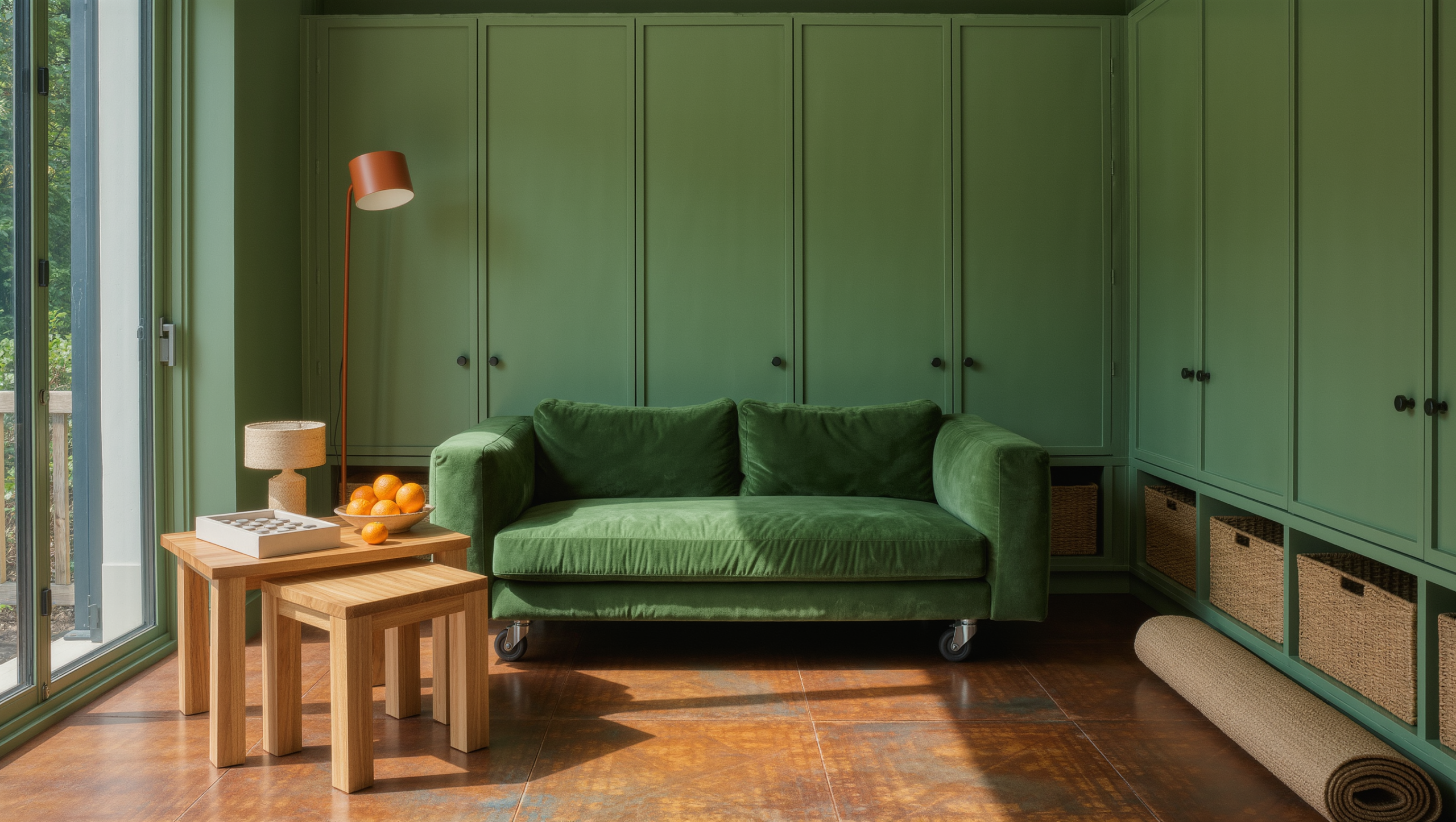
A family room can change personalities without becoming a furniture costume department.
Play at four. Homework at five. Television at eight. Guests on Saturday, who sit down in whatever state the room is in. The instinct is a zone for each, and the instinct is wrong: four zones in one room gives you four cramped rooms. What works is one room with a face it keeps and two or three moves that change what it is doing.
Anchor the room with the least movable pieces
The sofa, the rug, the main storage and the route through: place those four for whatever actually happens most nights, not for the version of family life you would like to be having. Everything else bends around them. A room that has to be rebuilt every evening will stop being rebuilt by about Thursday.
If the television is on most evenings, give it an honest position, but do not aim every chair at it like a departure lounge. If the floor is where the playing happens, defend the floor. A large coffee table in the middle of it is a permanent obstacle to the room’s most frequent use.
Give flexible pieces parking places
Ottomans, small tables, floor cushions, play mats, carts. Every one of them is flexible only if it has somewhere to be when it is not in use. Otherwise it is not flexible. It is loose.
Design the parked position before you buy the piece. A rolling cart that blocks a door when parked has not solved anything, it has moved the problem onto a wheel. A folding table you have to empty a closet to store will spend its life unfolded, in the way, being resented.
Make storage follow the activity
Games near the table. Blankets near the seating. Work supplies in one closed container, not four open ones. Toys within a few steps of the floor they get used on. The shorter the return trip, the more likely somebody other than you makes it.
Open storage is for things reached daily that look acceptable sitting out. Doors and baskets are for the categories that generate visual noise, which in a family room is most of them. Be honest about which is which before buying the handsome open shelving.
Use lighting as the fastest personality change
Light is the fastest change in the room and the cheapest. Overhead plus a task light on the table makes it a workroom. Two low lamps make the identical furniture a place to talk. Nothing moved, nothing bought. Just keep the glare off faces and the cords off the route.
Put the task light where the task is rather than brightening the whole room to serve one corner. Separate switching, or dimming on compatible fixtures, makes the mode change one gesture instead of a lap of the room. Fixed electrical work needs a qualified installer.
Create one table strategy
Family rooms accumulate surfaces the way a hallway accumulates shoes. Decide deliberately: one central table, a set of movable side tables, a work table along the edge, or some combination you have actually thought about.
Every seat needs somewhere to put a drink down during the activities that seat is for. That is not the same as a table beside every chair. Three surfaces that move serve more modes than six that do not.
Let the room still look like itself
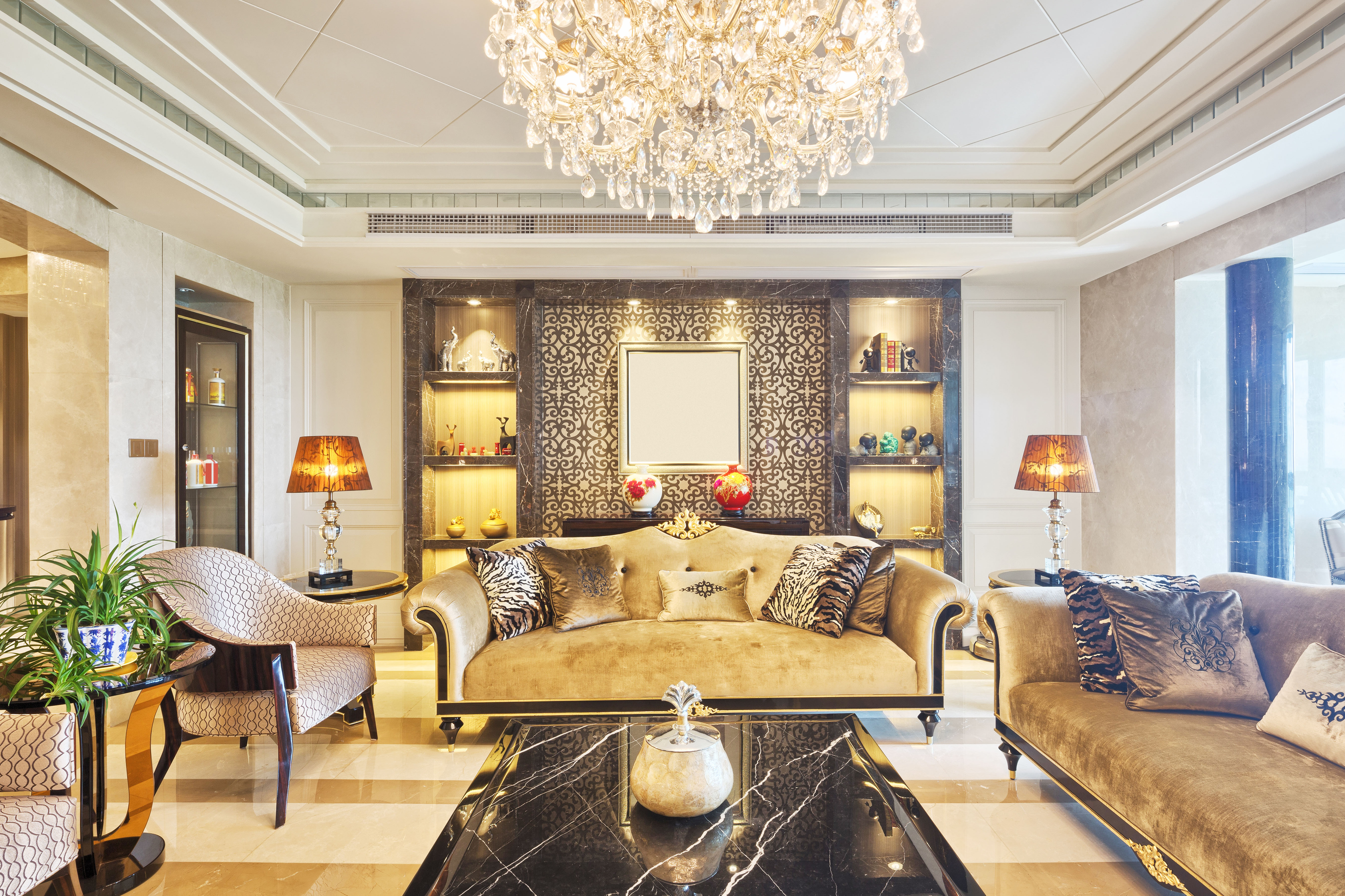
Keep the palette and materials narrow enough that a piece belongs wherever it lands. That is what makes a movable room look composed instead of migratory. Flexible does not have to mean beige.
One bold rug, one strong wall color, one large piece of art, one lamp with an opinion. Any of those gives the room a face that survives every mode change, including the ones that involve a play mat.
Design for different bodies
Children, adults, guests, pets and anyone with mobility needs use a family room differently, and a room that only works for the most agile person in it is not flexible. Stable furniture that does not slide when grabbed. Clear routes. Controls within reach. Seating with a range of support, because a deep low sofa is a trap for at least one person you love.
Do not furnish for the theoretical maximum crowd. Keep enough open floor that people can move when everyone is genuinely in there at once, which is the condition the room is supposedly designed for.
Set a reset limit
If getting from play to evening takes twenty minutes of sorting, the storage system is too clever. Group things by activity, not by type, and aim for a reset simple enough that the people who made the mess can help undo it.
See Multi-Use Rooms and Rooms in Real Life.
Changing activity should take a few obvious moves that anyone standing in the room can see. The moment it needs explaining, the room has a single operator, and rooms with a single operator get used less.
Same problem, elsewhere in the house
Room notes
Keep the room on the record.
One useful note at a time: what to test, what to ignore, and what changed when the room got another vote.