Function and Flow
One Giant Sofa Cannot Do the Floor Plan’s Job
Multiple seating groups are one of 2026’s strongest large-living-room moves: create different scales of conversation instead of making every chair report to one enormous sofa.

Large living rooms create a very predictable panic. The room is big, therefore the sofa must become enormous.
Then we add two chairs across from it, a coffee table the size of a minor county, and call the problem solved. It is not solved. We have simply built one conversation that requires everyone to project.
One of the best 2026 living-room directions is the return of multiple seating groups — smaller social arrangements inside one larger room. Done properly it makes an oversized space feel inhabited rather than merely furnished. Done lazily it produces two sofas that have never once been occupied at the same time.
Give the room one primary group and one supporting cast
Multiple seating groups do not need equal billing. Usually one arrangement should be obvious as the main social center: the fireplace, the television, the best view, or the part of the room where the household actually lands.
The second group can be smaller and more specific. Two swivel chairs and a drinks table by the window. A game table with four chairs. A daybed and one lounge chair. A pair of club chairs beside books. It should feel complete without trying to become Living Room Two: The Sequel.
Pull the seating in until nobody has to project
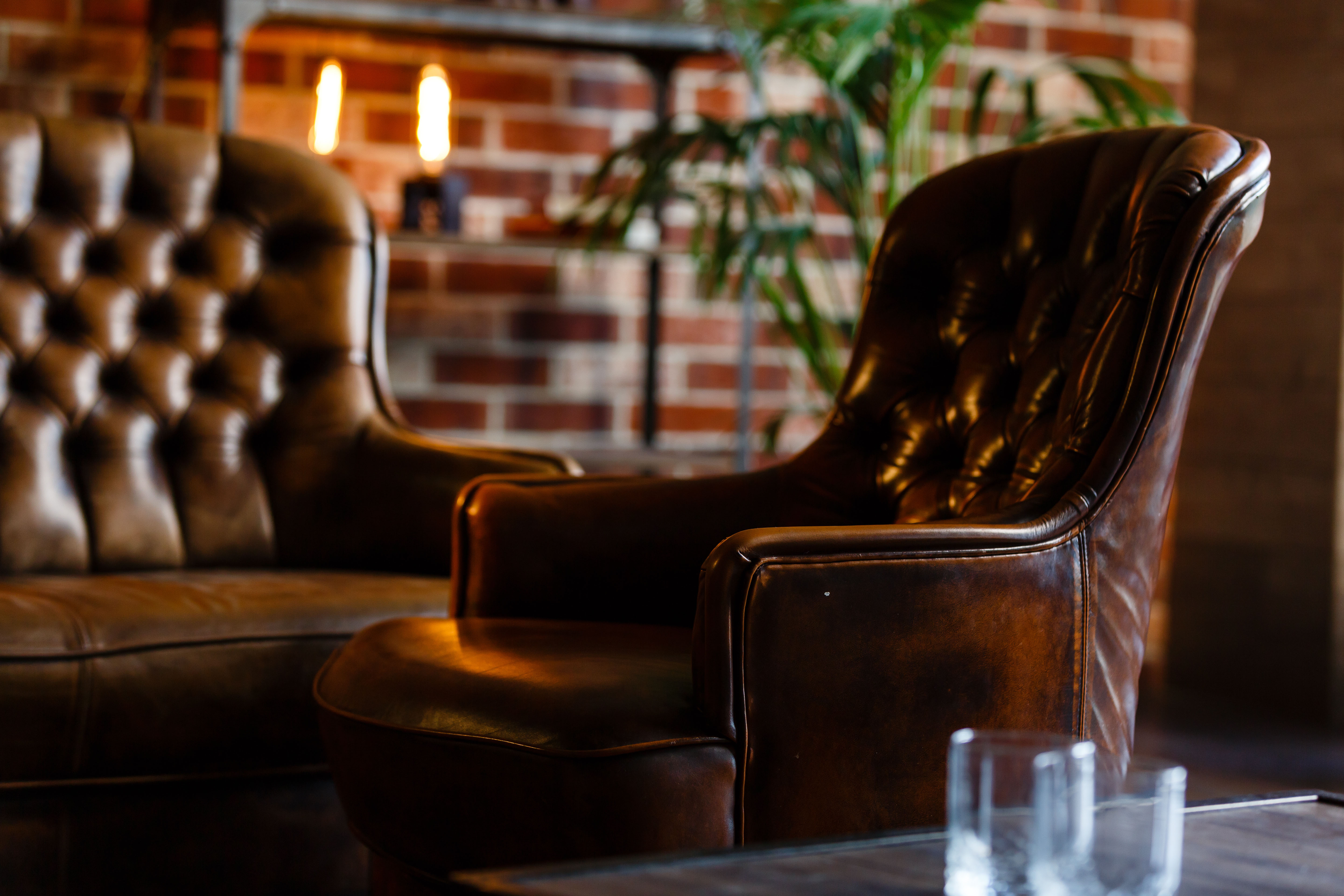
Furniture should relate to the people using it, not to the outer walls. In a big room that means pulling the seating inward much farther than feels comfortable during the first five minutes of arranging it. Trust the discomfort. It passes.
If people sitting opposite each other have to raise their voices, the group is too loose. If every chair is backed against architecture because the open floor looked frightening, the room is still running the furniture rather than the other way around.
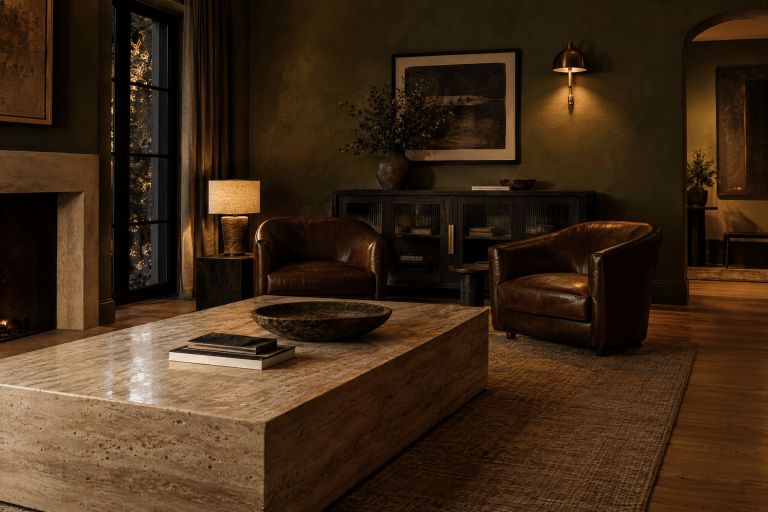
Once the main group has come off the walls, a floating sofa can define that seating group and create a natural edge for a second zone behind it. Two back-to-back arrangements work in very large rooms when the scale is right. Swivel chairs are particularly useful, because a swivel chair can belong to one group and still turn toward another when the evening gets more social.
That promotes the backs to furniture. If the sofa looks unfinished from the second zone, it matters now in a way it never did against a wall. A console may help. Do not add one automatically — a clean upholstered back and a generous passage behind it will beat another horizontal surface quietly recruiting objects.
If nobody would choose that chair, it is staging
Do not create a secondary seating area because the floor plan had an empty corner and furniture stores sell chairs in pairs — that is how a house ends up with a beautifully upholstered pair that has held nothing but a folded throw since the day it arrived.
Give it a real attraction: a window, a fireplace, a game table, a record player, a bar, books, the garden view, or simply a tighter conversational scale than the main sofa can offer. The attraction is doing the work here, not the chairs. Two seats facing each other in the middle of nothing is not intimacy, it is an interview.
If nobody in the household can say why they would take that seat instead of the sofa, the group has no reason and no amount of styling will give it one. Move the record player. Move the reading lamp. Move whatever people actually go and use, and let the chairs follow it.
Separate them with light before you reach for a second rug
The main sofa may want broad ambient light plus reading lamps. The smaller conversation group can go lower and moodier. A game table can take a pendant. A window pair can use one strong floor lamp and let the rest of the room recede. Independent light is the cheapest reason two seating groups read as two places rather than as chairs parked in separate tax districts, and it is the only zoning device in the room you can undo in an evening.
Rugs are the expensive version of the same idea, and they are the version people reach for first. Our large-room zoning map already makes the case against the rug archipelago. I will make it again because apparently rugs are persuasive.
The primary group may need one generous rug. The secondary group can sit on bare flooring, use a smaller rug that still holds the whole group, or borrow its definition from lighting and furniture orientation. If every group gets its own little rectangle, the room stops reading as one room and starts reading as several apartment listings stitched together, each one slightly cheaper than the last.
What happens when everyone arrives at once
Two seating groups earn their keep the moment people gather. Guests sort themselves by conversation, volume, age, interest, and proximity to the snacks. A room with two centers can hold a loud middle and a quieter side conversation at the same time, and nobody has to retreat to a bedroom to hear themselves finish a sentence.
That is why a handful of pieces have to be movable by one adult with no plan and no help. Swivel chairs, stools, ottomans, lightweight occasional chairs, small tables. These are what let the two groups lean toward each other for one evening and go back to being two groups by morning.
And then stop. Once the main group works, the second group has a reason, and the routes between them are clear, the open floor that is left is what lets the two groups breathe, lets people cross between them without edging past the back of a chair, and keeps the architecture feeling generous rather than upholstered wall to wall.
Empty is not unfinished when everything around it has a reason. It is where the two groups meet on the night everybody arrives at once.
Research note: House Beautiful’s 2026 living-room coverage emphasizes conversation areas and multifunctional salons, and a July 2026 layout feature specifically highlights multiple seating groups as a way to make rooms more gracious and adaptable. Sources: 2026 Living Room Trends and Living Room Seating Zones.
Same problem, elsewhere in the house
Room notes
Keep the room on the record.
One useful note at a time: what to test, what to ignore, and what changed when the room got another vote.