Light and Atmosphere
The Covered Porch Becomes a Weather Room
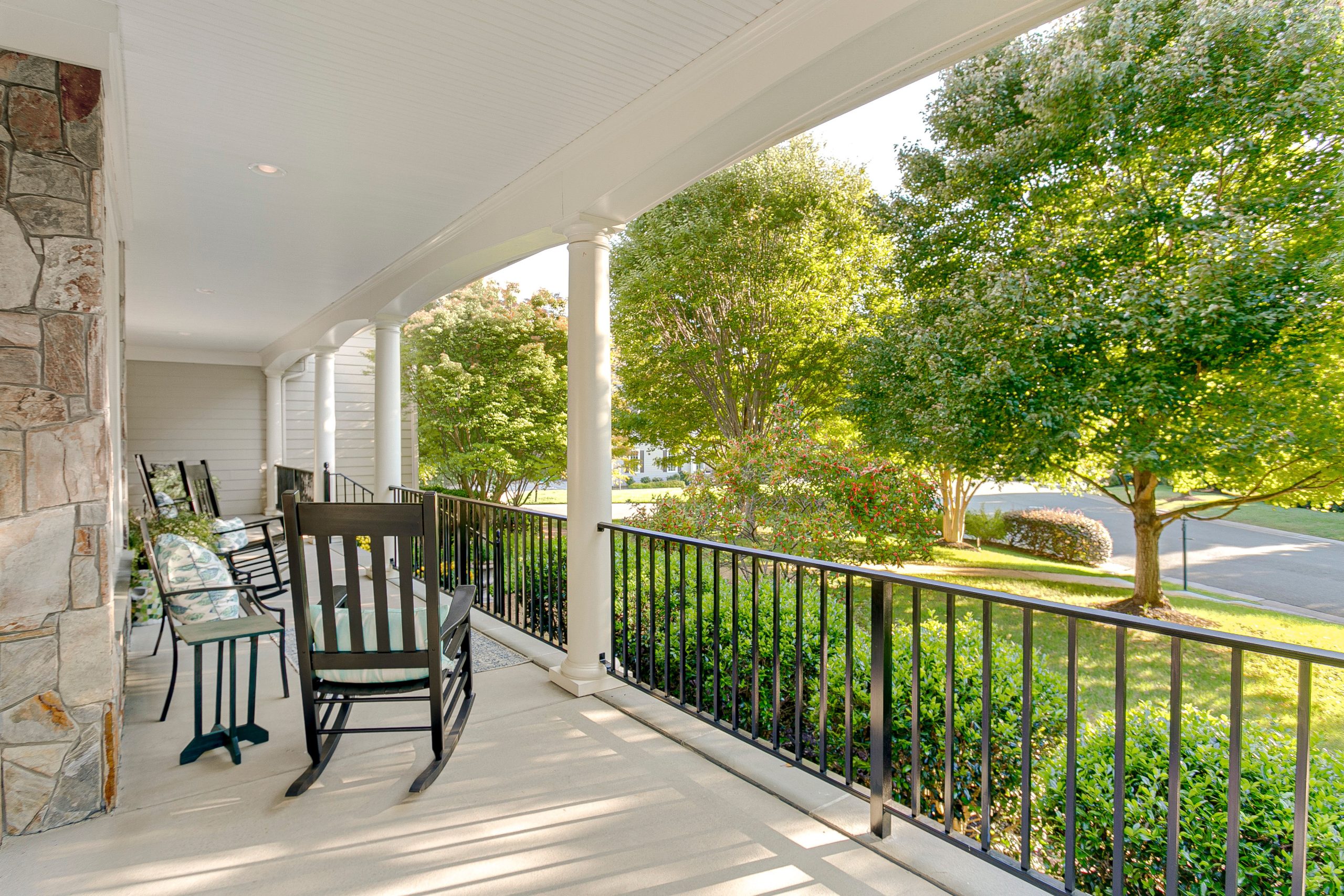
A covered porch becomes a weather room through layered shelter, a reliable dry center, honest materials, adjustable seasonal modes, and a deliberate relationship with rain, wind, heat, and cold.
On this page
43
A covered porch is often treated as a fair-weather accessory: furnished for one perfect afternoon, photographed before anyone sets down a wet umbrella, and quietly abandoned when the temperature becomes interesting.
A weather room begins with a different premise. Rain, wind, heat, cold, changing light, and seasonal air are not interruptions to the design. They are the material that makes the room distinct from the interior.
The goal is not to seal the porch until it behaves like a living room with worse insulation. The goal is to create a protected human-sized center that remains compelling when the day is damp, bright, gusty, cool, or dramatically unwilling to cooperate.
Weather-room premise
Design for the condition that changes the room most. Build layered shelter, a reliable dry center, a clear threshold, materials that can age honestly, and several ways to adjust comfort without evacuating the entire porch.
Read the weather the porch actually gets
A roof answers only one part of exposure. Wind-driven rain enters from the side. Low sun reaches beneath the eaves. Heat collects under still cover. Cold air settles at floor level. Snow, leaves, pollen, dust, and drainage make their own arrangements.
Observe the porch through several ordinary conditions rather than describing it broadly as covered.
- Which direction does rain arrive when wind is present?
- Where does the floor remain dry, and where does water collect?
- Which edge receives low morning or evening sun?
- Where does wind accelerate, swirl, or strike the seated position?
- Which surfaces become hot, cold, slippery, or slow to dry?
- Where do leaves, snow, pollen, or debris accumulate?
- How does the route from the house behave when people are wet or carrying objects?
- What changes when the porch is full of people rather than empty?
The room should be designed around the pattern, not around the best photograph taken during a meteorological truce.
Map the porch as four weather zones
Even a modest porch contains different degrees of exposure. Treating the complete floor as one condition usually leads to furniture and textiles being placed where they require constant rescue.
Dry center
The most reliably protected area. The primary seats, table, task light, and softest materials belong here.
Flexible edge
A partly exposed perimeter suited to movable chairs, durable planting, occasional surfaces, and objects that can tolerate changing conditions.
Weather front
The edge that receives the strongest rain, wind, sun, snow, or debris. It needs selective protection and fewer vulnerable objects.
Threshold zone
The transition between house and porch. It manages wet shoes, doors, packages, umbrellas, lighting, and the first movement into the room.
These zones need different responsibilities, and none of that has to show as a line on the floor.
Build a dry center, then layer outward
Create a dry center with enough authority
The covered porch becomes useful when one part remains ready without a weather briefing. The dry center should support the room’s most frequent activity with minimal setup.
Place the primary seating where roof depth, wall protection, drainage, and wind conditions are strongest. Add a reachable surface, useful light, and only the soft layers that can remain or be retrieved easily.
Two people with coffee deserve a more believable room than twelve imaginary guests arranged around a furniture catalog.
The dry center may occupy less than half the porch. That concentration often improves comfort and atmosphere. Spreading furniture evenly across the entire footprint exposes more objects and weakens the sense of enclosure.
Shelter needs layers, not one roof
A roof controls overhead weather. Comfort usually depends on the sides.
Fixed edge
A wall, deep column line, built screen, or solid architectural element can create the protected back of the room. Orient the primary seats toward or beside it rather than leaving people exposed on every side.
Filtered edge
Slatted screens, lattice, perforated panels, or layered planting reduce wind and glare while preserving air and visual connection.
Movable edge
Outdoor curtains, shutters, screens, or portable panels allow the room to respond to low sun, wind, and privacy without closing permanently.
Living edge
Trees, vines, hedges, and substantial containers can soften weather and create atmosphere, but their mature size, movement, care, and seasonal behavior must be part of the plan.
Protect the most difficult direction first. Four weak boundaries can make the porch feel boxed in without making it more comfortable.
What each kind of weather actually does
Wind is a layout problem before it is a furniture problem
Wind changes temperature, sound, conversation, table settings, textiles, smoke, doors, and whether lightweight objects remain associated with the property.
Observe direction and behavior at the intended hour. A porch may be calm near one wall and turbulent several feet away because the structure redirects air.
Start with the seats, because people forgive a breeze far more readily than a gust down the back of the neck or straight across the face. Turning the group, or sliding it closer to a wall, often fixes more than a complete screen system would, and costs nothing but an afternoon of shoving chairs around. Then look at the table. Low centerpieces, stable serving pieces, weighted textiles and lidded or contained objects keep it calm, while a tall arrangement and a stack of paper napkins turn it into a demonstration of lift.
If a screen still seems necessary, test one before committing. A temporary panel or a length of fabric clamped in place will show whether protection improves the seat or simply shoves the turbulence somewhere else, and more enclosure is not automatically more calm. Listen while the test is up. Wind through loose hardware, flapping fabric, chimes, screens and roof edges can make a porch tiring even at a perfect temperature, and a single wind chime hung by an optimist can wear down a whole evening. Silence the unnecessary movement before adding music to compete with it.
Rain should change the atmosphere, not destroy the room
Rain on a roof can be one of the porch’s strongest sensory qualities. The room becomes darker, more reflective, more enclosed by sound, and often more private. Design should support that change.
Use surfaces that deepen rather than collapse in gray light: dark trim, glossy leaves, wet stone, textured timber, ceramic, and shielded warm light. Let the view of rain remain visible from the protected center.
At the same time, manage the practical consequences.
- Keep absorbent textiles away from the weather front.
- Provide a place for wet umbrellas, footwear, towels, or pet equipment.
- Confirm that water drains away from the door and occupied area.
- Avoid storage that traps damp air or collects runoff.
- Give movable furniture a dry parking position.
- Protect switches, cords, and equipment with appropriate exterior-rated solutions.
- Check where roof runoff, splash, and dripping edges affect paths.
A weather room can enjoy rain without pretending water has become decorative.
Heat collects under cover too
Covered does not always mean cool. A dark roof, reflected heat, still air, western exposure, and enclosed sides can make the porch hotter than the yard around it.
Notice the occupied microclimate rather than relying on general outdoor temperature. Sit at body height and observe radiant heat from walls, floors, glass, and roofing.
The fix follows the source, so find the source first. If the air is simply still, keep whatever cross-flow the porch has and let fans, open edges and adjustable screens aim at the seats, since a ceiling fan that only stirs hot air around the rafters is mostly performing. If the trouble is the furniture itself, remember that dark metal, stone and upholstery can get uncomfortable to sit on even in full shade, and the only honest test is a hand on the actual material at the actual hour. Low morning or evening sun slides right under the roof line, where a side shade or a quarter turn of the seating usually beats a bigger roof. Glass, pale walls, paving and nearby hardscape can bounce heat straight into the room, which makes it a job for planting, shade and material choices aimed at that particular surface.
In the hottest weeks the porch should be able to open up, breathe, and shed most of its soft layers.
Cold weather needs a smaller room inside the room
Trying to heat the complete porch often wastes energy and leaves people sitting too far apart in a large cold field. Cold-season comfort improves when the usable room contracts.
Move chairs closer to the protected edge. Use a smaller table or conversation group. Bring portable textiles from a nearby dry location. Add low, warm light and concentrate any appropriate warmth where bodies actually sit.
The winter room may occupy one corner of the summer porch. Two chairs, a blanket and a lamp tucked against the wall make a perfectly good winter room, and the rest of the porch can go back to being weather.
Materials, thresholds, and what stays out
Choose materials by weather behavior, not marketing category
The label outdoor does not explain how a material heats, dries, fades, stains, moves, corrodes, traps debris, or feels after several seasons.
Timber
Warmth and grain, and under a roof it fares better than it does in the open — less bleaching, slower weathering, fewer refinishing arguments. It still moves with moisture, and the corner that never sees direct sun is where it stays damp longest. Decide whether visible weathering is welcome before buying something that will show it either way.
Metal, stone, concrete, and tile
Metal buys structure at a thin profile; the mineral materials buy weight and durability. All of them take on the air temperature and hold it, which under cover means they are still cold well into a morning the yard has already warmed up. Stone gets slick when wet and stains where water sits, so texture and drainage belong in the choice. Metal shows its corrosion at damaged finishes. Test the touch, not the look, at the hour you mean to sit there.
Anything woven or upholstered
Still air under a roof dries things slowly, and that single fact decides textiles on a covered porch. Quality, UV behavior, trapped debris and repairability all vary enormously — but a cushion that needs two days to dry in shade is a cushion nobody puts out. Fewer well-chosen pieces beat a deep upholstered landscape here more than anywhere else outside.
Ceramic and glass
Reflection, color and weight, all of which do considerably more work under a dark roof than they do in open sun. Consider temperature change, breakage, drainage, and whether the thing stays upright when the wind arrives across the open side.
The useful material is the one whose aging, care and tactile behavior fit the household and the weather zone where it lives. Everything out here changes. The only real choice is whether it changes in a way somebody can live with.
Separate permanent residents from seasonal visitors
The weather room becomes exhausting when every object requires evacuation, so sort everything on the porch by how long it is allowed to stay. The permanent residents are the furniture, lighting, planting and surfaces built to live in their assigned exposure with ordinary care. The seasonal residents (textiles, fans, planters, screens, accessories) stay for several months and need a clear off-season home before they move in. Temporary visitors such as blankets, books, food, games and anything delicate come out during use and go back somewhere nearby afterward. Then there is the uninvited inventory: tools, packages, empty pots, spare covers and general overflow, living on the porch because no other room has objected strongly enough.
A weather room stays ready when most of its identity belongs to the permanent residents and the seasonal ones have a credible plan for moving in and out. The uninvited inventory needs an eviction notice.
Design the threshold for wet, cold, and ordinary life
The threshold is where weather enters the household. It needs more than a decorative mat.
Protect the door swing and standing zone. Provide a landing surface where appropriate. Give wet objects, footwear, packages, pet equipment, and temporary textiles a contained position outside the main route.
Check the floor transition in rain and low light. A beautiful porch loses credibility when the safest route requires stepping around furniture, wet rugs, and an umbrella leaning against the handle.
The interior side matters too. Nearby storage for blankets, cushions, towels, or serving items can make the porch easier to use without turning the doorway into a warehouse.
Sound, light, planting, and the view
Let sound become part of the room
Weather rooms are acoustic spaces. Rain, wind, birds, traffic, roof material, screens, and hard surfaces determine whether the porch feels atmospheric or exhausting.
Listen from the primary seat in several conditions. A metal roof may make rain thrilling or too loud for conversation. Hard walls and paving may amplify voices. Loose screens may rattle. Dense planting, textiles, timber, and absorbent surfaces can soften sound without eliminating the weather.
Do not add decorative sound before understanding the existing one. The wind may already have programmed the evening.
Light for gray days, dusk, storms, and October
A porch needs more than one bright fixture mounted for the convenience of installation.
There are four jobs for light out here, and no single fixture does all of them. At the threshold, light has to show the door, the steps, faces and wet footing. In the dry center, task light serves whatever the porch is really for: reading, eating, games, a laptop on a mild afternoon. Social light is the kind that lets people see each other’s faces without squinting, and lower or bounced sources tend to feel more sheltering when the weather turns rough. The fourth job is the one most porches skip entirely, which is throwing a little light outward onto the rain, the planting, a wall or the garden beyond, so the room stays connected to the conditions instead of sealing itself into a bright box.
Bright white overhead light can flatten rain, expose every object, and make darkness beyond the porch feel severe. Layered warm light gives the protected center more intimacy while preserving weather and distance.
Use planting as weather architecture
Planting can filter wind, catch rain, soften glare, frame the view, and make gray weather more vivid. It can also block air, drip onto furniture, shed material, and create maintenance exactly where people sit.
Choose plants for the actual exposure and spatial job. Use substantial forms rather than a miscellaneous perimeter. Leave access for watering, pruning, drainage, and seasonal movement.
Glossy leaves, branching structure, grasses, evergreen mass, and vines each respond differently to rain and wind. Let movement and seasonal change become part of the atmosphere without asking fragile plants to perform outside their conditions.
Keep the view open enough to experience the weather
A weather room needs shelter, but not complete visual retreat. Preserve an opening toward the strongest view, sky, planting, or weather front.
Orient the room so people can see rain arrive, light change, trees move, or snow collect without sitting directly in the exposure. A protected back and an open face often create more pleasure than enclosure on every side.
The porch should feel like the best seat for the weather, not the last place to avoid it.
Four modes, more bodies, and the upkeep
Let the porch run through four seasonal modes
Spring is the opening. Clear the winter debris, check the drainage, reopen the flexible edges and set up a simple dry center before the full seasonal inventory comes back out. Summer is for breathing: textiles thin out, air moves, low sun gets managed, and the porch can spread to its widest footprint and stay visually light. Autumn pulls everything back in. Seats move closer, low light gets stronger, a limited soft layer returns, and the turning foliage and the weather do most of the decorating. Winter contracts to one protected corner with durable structure, a clear path and some small ritual worth stepping outside for, whether that is coffee in a coat or watching snow settle on the rail. Only what cannot stay safely or usefully goes into storage.
Each change should be a controlled exchange of a few things, never a whole furniture migration conducted in a hurry because the forecast changed its mind.
Make the room usable by more bodies
Weather amplifies access problems. Wet or cold surfaces, glare, unstable rugs, narrow routes, and lightweight furniture can make the porch difficult to use.
- Keep the primary route firm, clear, and visible.
- Provide stable seating with supportive backs and arms.
- Make steps and changes in level readable in gray weather and darkness.
- Keep cords, heaters, planters, and movable screens outside circulation.
- Place companion surfaces within easy reach.
- Ensure blankets and weather adjustments can be managed without crossing the room repeatedly.
- Leave enough space for mobility equipment and different approaches to seating.
A protected room should not become more exclusive when conditions become difficult.
Plan maintenance before the porch acquires a second climate
Covered porches collect dust, pollen, insects, damp air, leaves, and objects that seem protected enough to postpone dealing with them. A roof is remarkably good at making a stack of empty pots feel as though it has been put away.
Create a simple maintenance route. Furniture should be movable or accessible for cleaning. Storage should ventilate where needed. Covers need a dry place while in use. Plant care should not cross the cleanest social surface.
Inspect roof edges, drainage, screens, hardware, lighting, and material finishes seasonally. The room’s atmosphere depends on small operating details remaining quiet.
Four personalities a covered porch can take
It helps to pick one of these on purpose. The rain room goes dark and glossy, with deep-colored trim, shiny-leaved planting, warm low light, a dependable dry center and a clear view of the weather past the roof edge. The wind room is built around a strong protected back and a filtered side screen, with lower furniture, fewer loose objects and planting that enjoys moving instead of snapping. The shoulder-season room is compact: portable textiles, adjustable edges, warm task light and a setup simple enough to be worth doing for one cool morning or a single late-autumn evening. The summer shade room opens its edges to moving air, keeps textiles restrained and surfaces cool, and lets people sit in the deepest shade without losing the view.
The porch can drift between these through the year, but one of them should be in charge of the season or condition that matters most. A porch that tries to be all four at once risks becoming a rain room full of summer cushions that are always damp.
Try it on a day you would normally stay in
Wait for bad weather and use the porch anyway
01
Mark the dry center
Observe the porch during or immediately after rain and identify the area that remains reliably protected.
02
Map the weather front
Record wind, low sun, splash, runoff, and debris at the intended hour of use.
03
Build one temporary protected edge
Use an appropriate movable screen, fabric, or planter mass to test whether comfort improves without trapping heat or losing the view.
04
Use the room in gray light
Sit, read, eat, or talk during a dull or wet period. Notice light, sound, dampness, and the route back indoors.
05
Test the seasonal contraction
Reduce the room to the smallest protected setup that still supports its primary life.
06
Count the rescue actions
Track what must be carried, covered, dried, secured, or stored when conditions change.
07
Remove the object with the highest weather burden
Use the porch without it for one week. Determine whether the room loses value or simply loses work.
Common weather-room traps
Porches that fail as weather rooms tend to fail in familiar ways. The roof gets treated as complete shelter while the sides go unexamined, and the furniture is spread evenly across the floor instead of gathered in the dry center. Or the opposite happens: every edge gets screened, and the porch loses its air, its view and the weather that was the whole point. Soft things need rescuing every time the forecast changes. One bright overhead fixture flattens the room and blacks out everything beyond it. Storage traps damp and quietly becomes the largest object on the porch. The threshold has no plan for wet shoes, umbrellas, packages or the dog. The summer arrangement is still sitting there in January, stranded. And wind and sound get handled as decorating problems when they are really evidence about the space.
Continue outside
Design with the forecast instead of against it
Weather is the only thing a covered porch offers that no room indoors can. Design it away and all you have gained is a few more square feet of house, in the wrong place, with worse lighting.
Same problem, elsewhere in the house
Room notes
Keep the room on the record.
One useful note at a time: what to test, what to ignore, and what changed when the room got another vote.