Multi-Use Rooms
The Formal Dining Room Gets a Second Shift
A complete transformation plan for turning an underused formal dining room into a library, work salon, supper room, or hybrid space without erasing its elegance.

A formal dining room can spend most of the year waiting for a version of life that no longer arrives. The table gathers mail. The chairs become coat racks. The room remains technically complete and practically unemployed.
That does not mean the room has failed. It means the room has been typecast.
Start with the life, not the furniture
Start with a plain Tuesday evening. No guests, nothing on the calendar. Decide what ought to be happening in there while the rest of the house is occupied, because a room that serves only its rarest occasion will always feel slightly abandoned. The question worth answering is whether that table could take reading, work that needs elbow room, drinks, games, flowers, records, or a school project spread end to end, and still be a dining room on the night it has to be.
Four credible futures
The library supper room
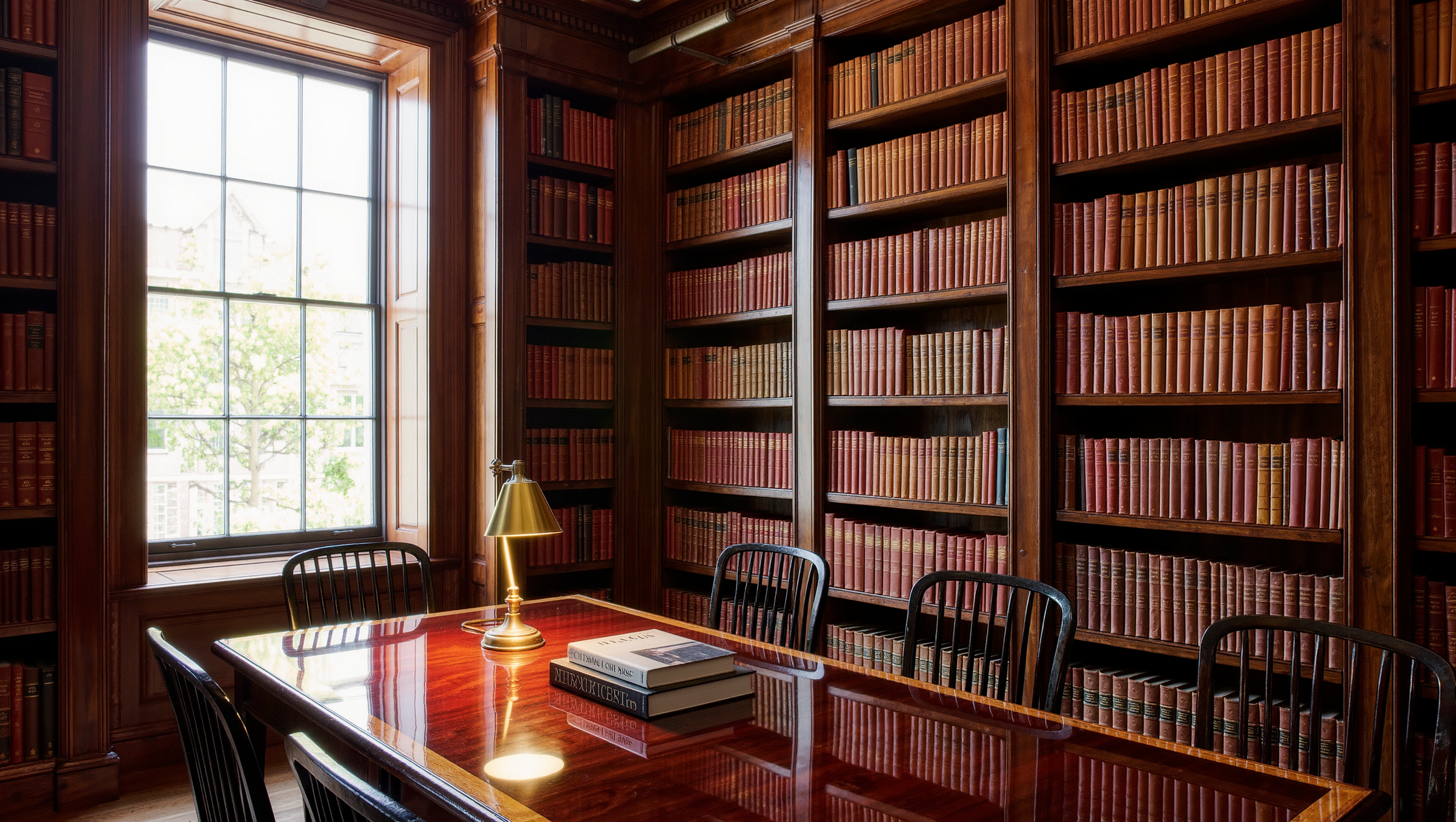
Keep the table. Give the walls the harder job. Tall shelving, art, low lamps, and a chair somebody would actually choose to sit in turn the room into a place people enter between meals, which is the entire point. Books take the ceremony out of a room faster than anything else you can put on a wall. And pools of light make it usable after dark, where one overhead fixture only makes it look closed. The table stops being furniture reserved for events. It becomes the largest reading surface in the house, the puzzle table, the flower bench, and the place for work that needs more room than a laptop corner.
The work salon
A dining table is already the largest shared desk you own. Nothing needs buying. The whole transformation rests on controlling the evidence, because a room that never stops looking like it is working is a room nobody wants to eat in. One cabinet, one credenza, or one curtained wall swallows the files, the chargers, the paper, and the equipment at the end of the day. Task lighting helps, provided it does not turn the place into a conference call. The room should work hard all day and then look like it did nothing.
The evening room
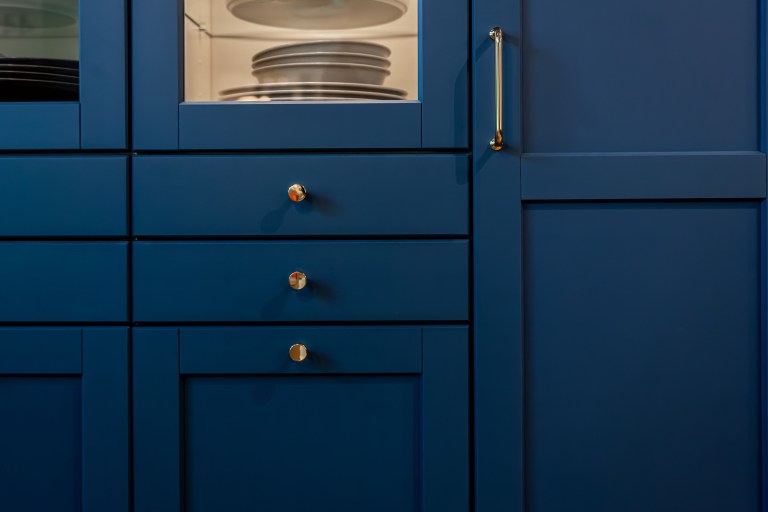
Some dining rooms have excellent proportions and terrible daytime attendance. Accept the schedule. Stop competing for the hours the room is never going to win and build for the ones it can. Deep color, reflective glass, shaded lamps, a drinks cabinet, music, one upholstered seat that is not a dining chair. What the room actually needs is a reason to stay once the plates are cleared. Nobody has ever lingered anywhere because it reminded them of a restaurant.
The project room
If anybody in the house sews, builds, paints, arranges flowers, wraps gifts, makes models, or spreads a school project across every available inch, the formal dining room already owns the correct surface. It has owned it for years. What it needs is mobile storage, tools on the wall, something washable over the top, and a reset that takes one pass instead of an afternoon. A room is allowed to be beautiful and visibly productive. It does not have to pretend nothing ever happens there.
The big move: change the perimeter
The table takes most of the blame and deserves very little of it. The perimeter decides whether the room supports one event or a full life. Bare walls and a lone sideboard standing there like a witness keep the room formal no matter what sits in the middle of it. Shelving, curtains, art, lamps, a bench, a cabinet: those build depth, and depth is what buys a room its second use. So before anybody starts pricing a new table, put something on the walls and watch what the room does about it.
Keep dinner possible
A hybrid that works does not require emptying the room every time somebody rings the bell. Every secondary job needs its exit built in on the first day. Work materials fit into one cabinet that closes. Project supplies roll. Extra chairs already belong to the room instead of migrating up from three floors away, two at a time. The reset should feel like changing the room’s mood, not evacuating a warehouse.
Does anybody actually go in there?
Everything above is easy to agree with and nearly impossible to prove in advance. The measurement that settles it is attendance. Put a chair and a lamp in there, leave the door open, and keep a rough count of who walked in and stayed. A room can win every design argument and still record four visits in two weeks, three of which were to fetch something.
If the count stays low, the second job is the thing that is wrong. Adding lamps to a room people have no reason to walk into only makes the emptiness better lit.
The formal dining room needs more than one appointment on its calendar. Disappearing was never the remedy.
Same problem, elsewhere in the house
Room notes
Keep the room on the record.
One useful note at a time: what to test, what to ignore, and what changed when the room got another vote.