Room for Drama
Lounge
Circulation, conversation, competing centers, and living rooms that refuse to behave like showrooms.
On this page
5
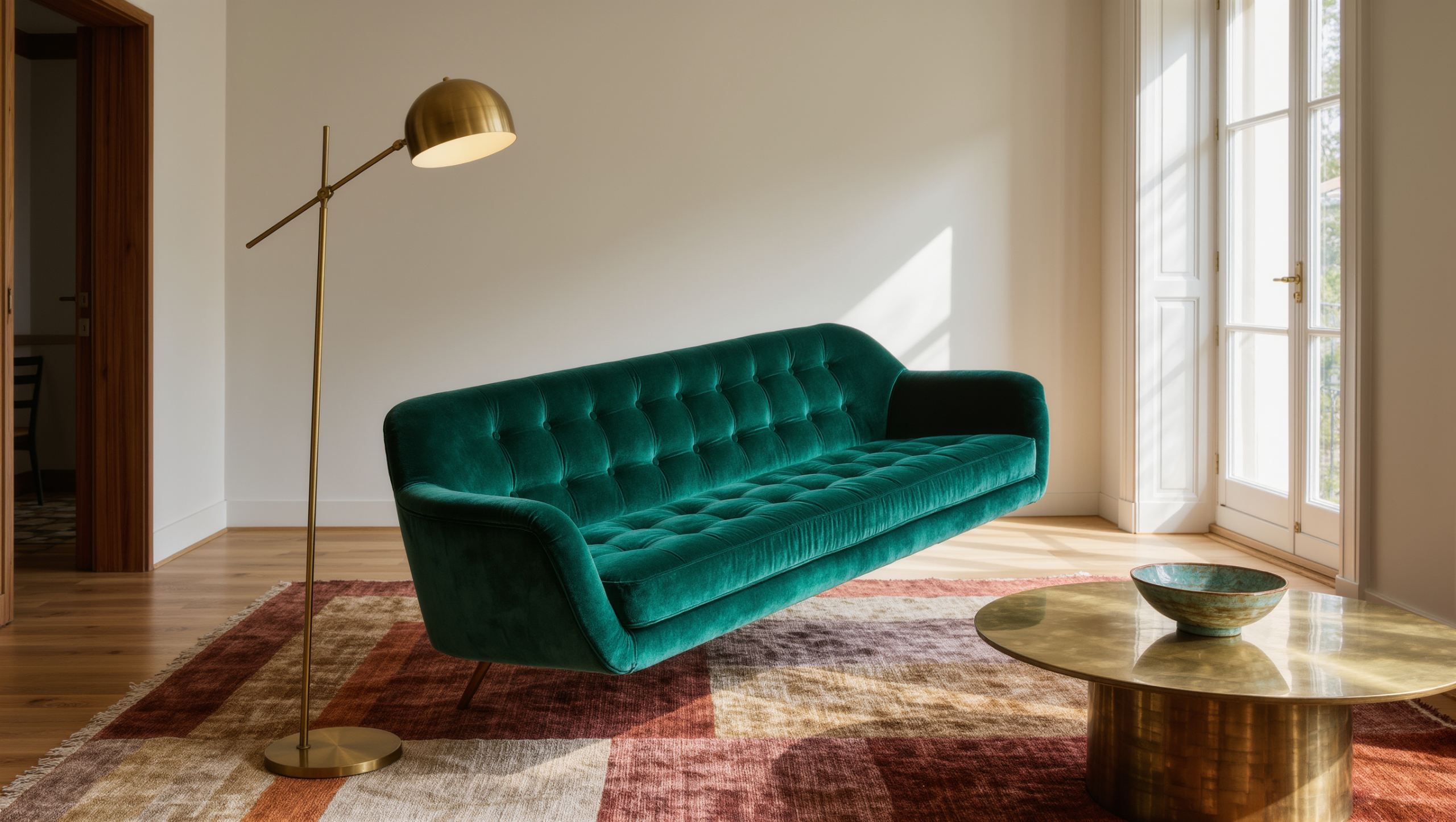
Forget the showroom sofa arrangement. A lounge is the room where conversation, rest, display, television, reading, family life, and the person walking through with laundry all discover whether they can coexist.
Color is allowed. Pattern is allowed. A chair with an unreasonable amount of personality is allowed. What the room cannot afford is five competing centers and no idea where a person is supposed to sit.
Give the room some gravity
Every good lounge has something the rest of the room answers to: a conversation group, a hearth, a window, art, a garden view, even a television when television is genuinely part of the life there. The mistake is asking the fireplace, screen, view, chandelier, and every “statement” object to chair the same meeting.
If your room is already in that argument, read The Fireplace, the View, and the TV Are Fighting.
- The Blank Wall Is Not Begging for a Gallery Wallwhat the empty wall is actually for, before anyone reaches for a grid of frames.
- The Fireplace Can Split the Room Without Killing the Conversationa hearth that divides a long room and still lets both halves talk.
- Do We Really Need to Decorate Around a Permanent Black Rectangle?the screen as a guest rather than the permanent chair of the meeting.
- The Media Wall Is Getting Quieterwhen the wall takes the equipment and stops announcing it.
Conversation needs actual geometry
People should be able to talk without shouting across a decorative gulf or turning sideways around a coffee table the size of a small jurisdiction. Pull the useful seats into relationship. Protect the route at the edge. Give every chair light and somewhere to put a drink.
A lounge should feel occupied before it is full.
- One Giant Sofa Is Not a Floor Planwhy a big room usually wants two conversations, not one long bench.
- The Swivel Chair Is Doing Actual Floor-Plan Worka seat that answers two directions without being dragged between them.
- The Daybed Is Back Because Sofas Keep Blocking the Roomseating that faces both ways and stops standing in the route.
Open rooms still need edges
A rug, the back of a sofa, a lower ceiling of light, a cabinet, drapery, planting, or a change in material can make a large open plan feel like several real places without building a wall. If the seating looks as though it has been temporarily parked in a concourse, start with The Lounge Is Too Open to Feel Like a Place.
- Curtains Have Left the Window and Started Rearranging the Housean edge you can draw and undraw, for the price of a rail.
- The Doorway Got Wider. It Does Not Automatically Need an Archwhat a wider opening does to the room on each side of it.
- Glass Walls Are for People Who Want Privacy and Refuse to Lose Lighta boundary that keeps the daylight and loses the noise.
- A Movable Wall Should Disappear When You Do Not Need Ita division that has to earn its place every time it closes.
And then the sun goes down
One ceiling fixture and optimism are not a lighting plan. A lounge should change character after dark: faces readable, corners allowed to recede, one or two surfaces glowing, enough shadow left in the room that it still has depth.
The Lounge Has No Night Mode is for the room that looked perfectly competent at three in the afternoon and became an airport lounge at eight.
- Your Ceiling Light Is Not a Lighting Planambient, task and accent, built around how the room is used.
- Portable Lamps Are Finally Solving the Places Wiring Forgotlight in the corners the electrician never reached.
- Your House Does Not Need to Be the Same Color Temperature All Daywhy one setting cannot serve breakfast and eleven at night.
- Sculptural Lighting Should Still Know How to Light the Rooma fixture allowed to be an object, provided it still does the job.
The room is allowed to have a point of view
Once the route, seating, light, and main relationship work, stop being timid. Saturate a wall. Hang the enormous art. Use the strange lamp. Let the rug be louder than the sofa. A lounge is one of the places a house gets to reveal what the people in it actually like.
- One House Can Have More Than One Moodconsistency and sameness are not the same thing.
- The Day You Realize You’re Probably a Maximalistthe point where restraint stops being taste and starts being nerves.
- Zone the Room by Noise, Light, and Nervedividing a room by what it feels like rather than by what is standing in it.
If the room is actively fighting daily life, start with Space Intelligence or read the room. Otherwise, stay here and make the room better company.
For a real shared-room argument, read Stop Blaming the Chair.
Those are the five this page will argue for. There are another hundred and fifty behind them: the Index, filtered to this room, where you can add what is actually going wrong with yours and watch the list get shorter.