
Awkward Spaces
The Closet Ceiling Is Storage You Forgot to Measure
The high zone above a closet rod can hold seasonal and infrequent items efficiently—if shelf depth, visibility, step access, and container size are planned…
Room for Drama · What is wrong with it
Usually distance rather than volume. Things get put down where they are used and stored somewhere else entirely.
102 pieces, across every category on the site.
Before buying a single basket, follow one object for a week — the post, the keys, the school bag, the charging cable — and mark where it is actually set down. That spot is not laziness. It is the correct answer to a question the room got wrong, and it is where the storage belongs.
Volume is the easy half. Frontage, depth, and how many movements it takes to put a thing away decide whether a system survives a bad Tuesday. Anything that needs two hands and a door held open with a hip is abandoned by March.
Same problem, one room at a time. Every one of these is a URL you can keep.
Awkward Spaces
The high zone above a closet rod can hold seasonal and infrequent items efficiently—if shelf depth, visibility, step access, and container size are planned…

Outdoor Rooms
Use planted patio islands to soften large hardscape, create zones, frame views, absorb water, and add shade or seasonal structure without wrecking circulation.
Multi-Use Rooms
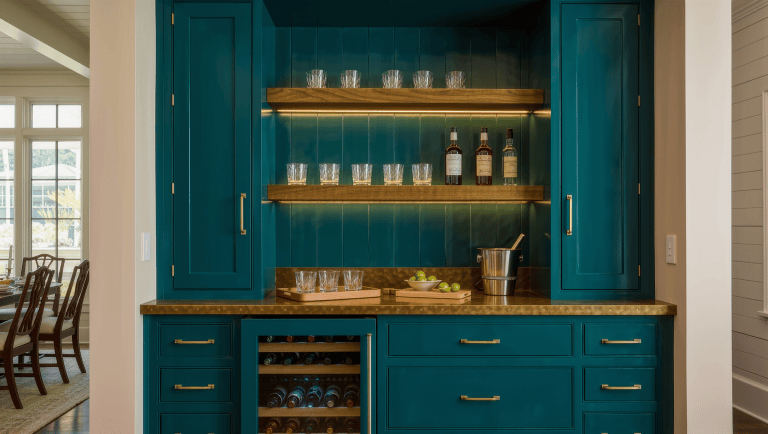
A dry bar can deliver storage, serving space, refrigeration, glassware, and visual drama without the plumbing, counter loss, and maintenance of a sink. Decide…
Multi-Use Rooms
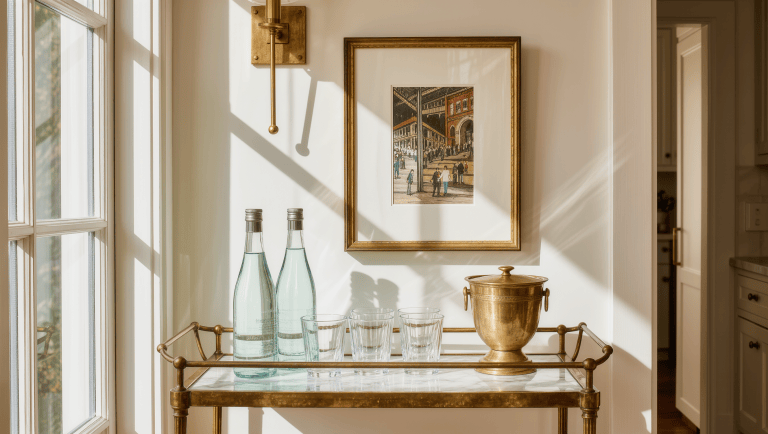
When every guest pours in the cook’s three feet, the kitchen is doing two jobs and both of them poorly. Move the bar without…
Awkward Spaces
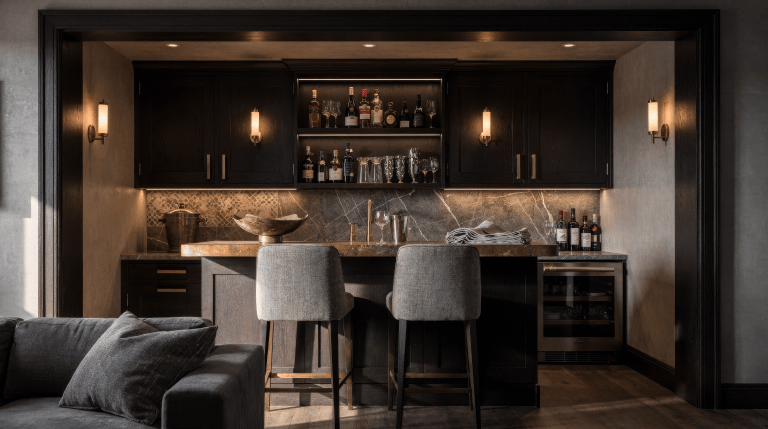
A home bar earns the name when it has a pour surface, an edge, light, and a social sequence — not when bottles appear…
Awkward Spaces
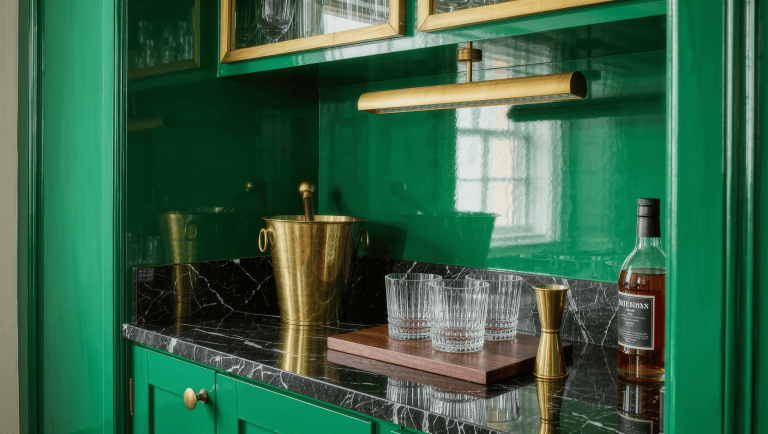
Four practical home-bar architectures—cart, closet, niche, and under-stairs—compared by circulation, storage, light, service, and everyday use.
Awkward Spaces
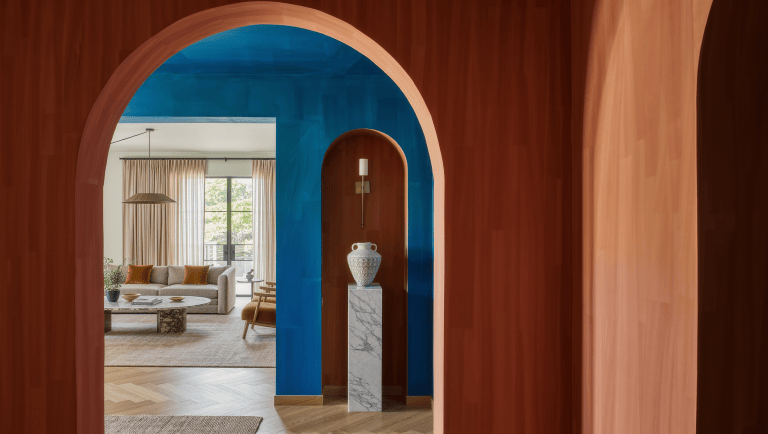
Solve an awkward room by identifying the geometry or function causing friction, then use one decisive layout, storage, color, or furniture move instead of…
Small Interiors
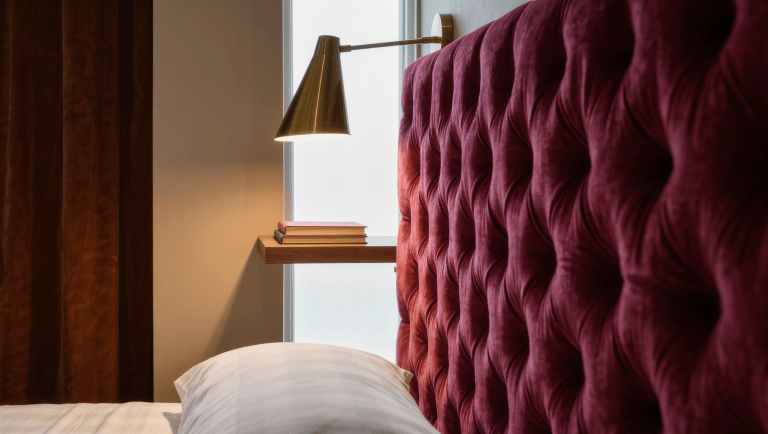
Use inspiration without copying a staged small room. Translate the useful principle—scale, storage, light, color, or layout—into the actual constraints and routines of your…

Small Interiors
Give a small room one decisive design move—color, scale, art, lighting, material, or layout—then edit secondary choices so the space feels confident rather than…

Small Interiors
The worst small-room problems are ordinary and repeatable: blocked paths, stranded storage, competing focal points, and layouts that never reset. Diagnose the friction before…
Small Interiors
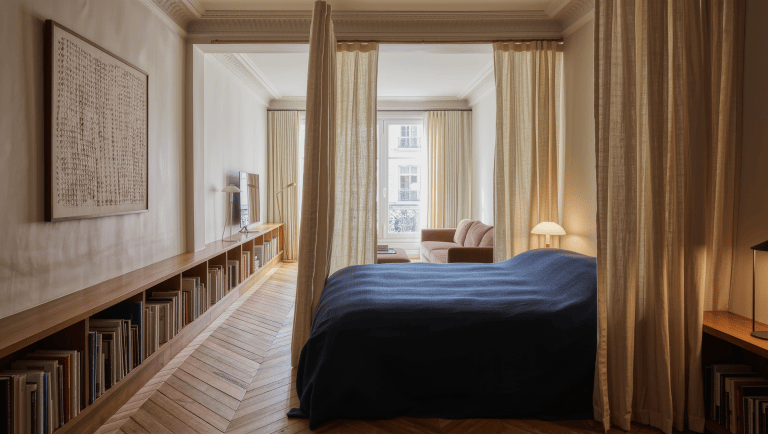
Create a bedroom zone in a studio apartment without building a wall by controlling sightlines, using furniture and curtains as edges, layering light, and…
Small Interiors
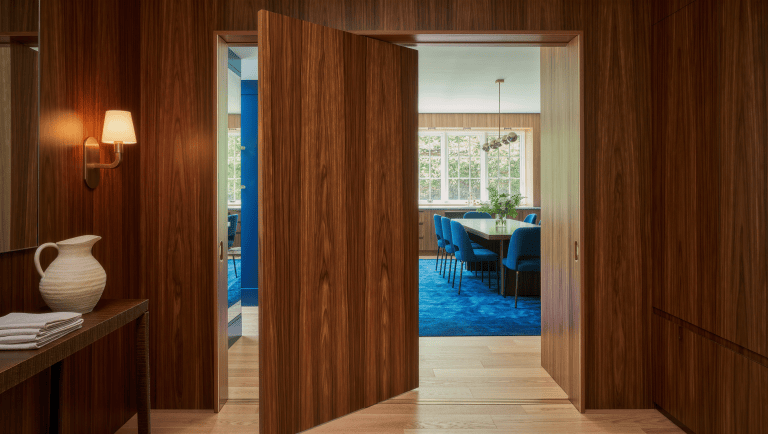
Add storage to a small bedroom by using vertical space, under-bed volume, bedside furniture, closet access, and closed containment without turning the room into…

Multi-Use Rooms
Before changing a room’s purpose, identify the architecture, access, storage, utilities, light, and future flexibility worth preserving so the new use works without unnecessary…

Multi-Use Rooms
Reimagine rooms whose original purpose no longer fits by identifying the life that happens now, testing a reversible new use, and keeping architecture, safety,…
Multi-Use Rooms
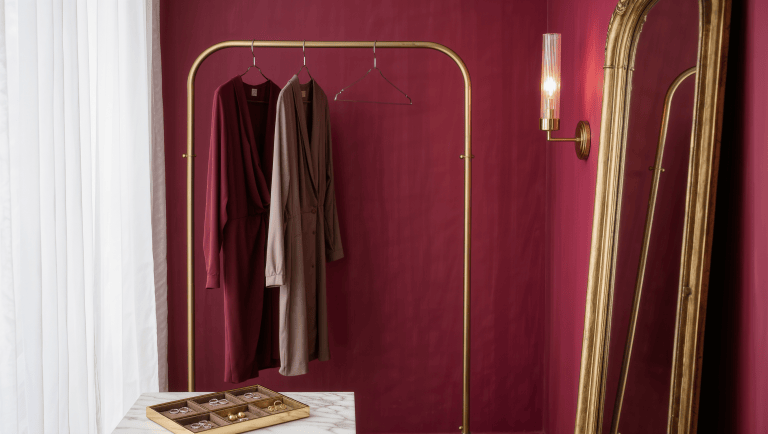
Turn a closet into a dressing room with a clear dressing sequence, flattering light, a real landing surface, accessible storage, and one decisive aesthetic…
Multi-Use Rooms
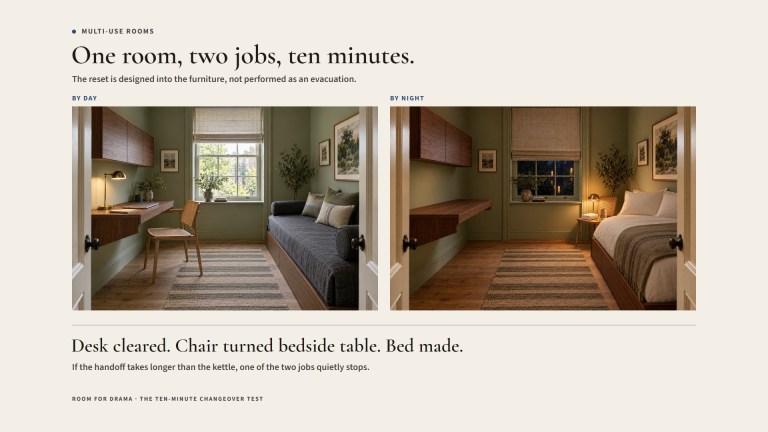
Create a guest room office that changes modes quickly: control the work footprint, protect sleep comfort, hide cables and paperwork, and make the reset…
Multi-Use Rooms
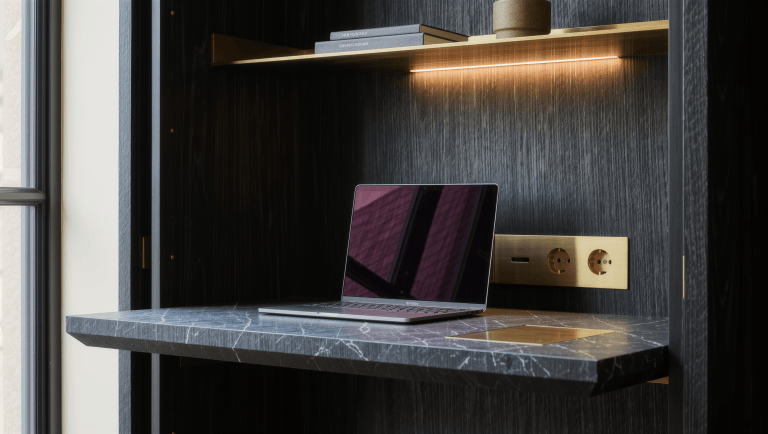
Create a bedroom work corner that functions during the day and visually shuts down at night with a contained footprint, task lighting, closed storage,…

Multi-Use Rooms
A guest room can become storage for postponed decisions long before it becomes visibly unusable. This piece separates clutter from avoidance and gives the…
Furniture and Scale
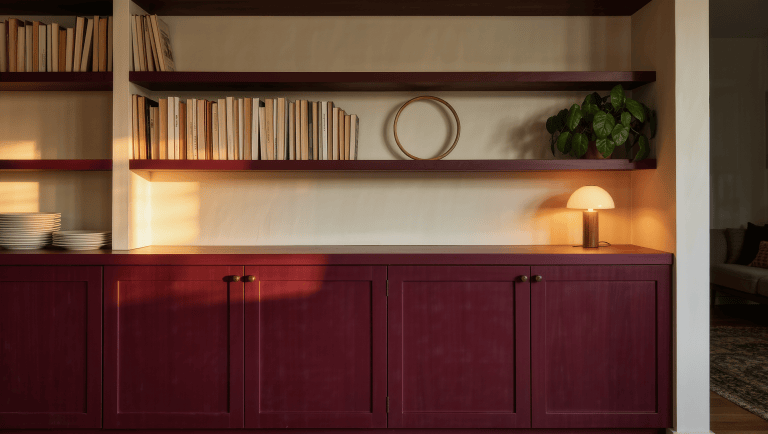
Use a storage-exposure matrix and seven-day tracker to decide what should stay open, become hybrid, move behind doors, or leave the room.

Furniture and Scale
Choose objects for the job they perform—light, storage, reach, softness, memory, sound, or visual balance—so accessories strengthen the room instead of becoming decorative clutter.

Furniture and Scale
A dining table can become an identity prop, storage surface, and maintenance burden long after regular hosting stops. Decide what job the object actually…

Furniture and Scale
A living room with too many focal points feels undecided. Learn how to choose a primary center, support secondary views, and make furniture, lighting,…
Furniture and Scale
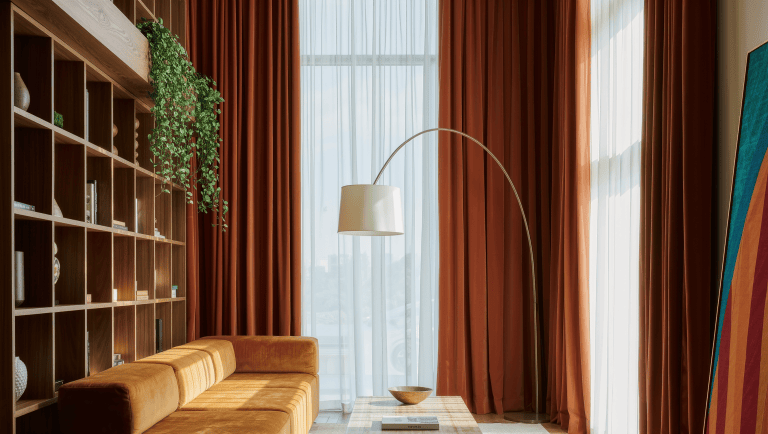
A flat room needs height variation. Use lighting, plants, art, curtains, shelving, furniture backs, and negative space to build a stronger visual skyline without…

Furniture and Scale
Small-space furniture can fail when it is too timid, too multifunctional, or uncomfortable. Choose fewer pieces with real scale, clear jobs, and enough comfort…
What is wrong with it
Not sure which of these it is? Say it in your own words instead, or read the room properly and let it tell you which one is doing the most damage.