Outdoor Rooms
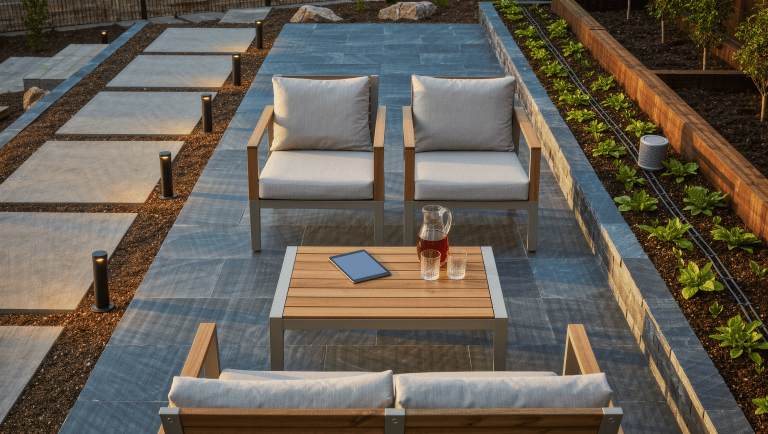
Your Smart Backyard Should Not Need a Help Desk
Smart outdoor technology should remove friction from lighting, irrigation, power, audio, and comfort—not turn the backyard into another support queue.
Room for Drama · What is wrong with it
The route through a room is furniture you cannot see, and nobody ever allocated it any width.
102 pieces, across every category on the site.
If somebody turns sideways at the same point every day, that is not a habit. That is a clearance the room does not have, paid for in small daily friction nobody complains about out loud because it has no name.
Give the route its width formally, as a decision, and design the room in what is left. One honest walkway and a smaller seating group beats a generous seating group that everybody edges around.
Same problem, one room at a time. Every one of these is a URL you can keep.
Outdoor Rooms
Smart outdoor technology should remove friction from lighting, irrigation, power, audio, and comfort—not turn the backyard into another support queue.
Furniture and Scale
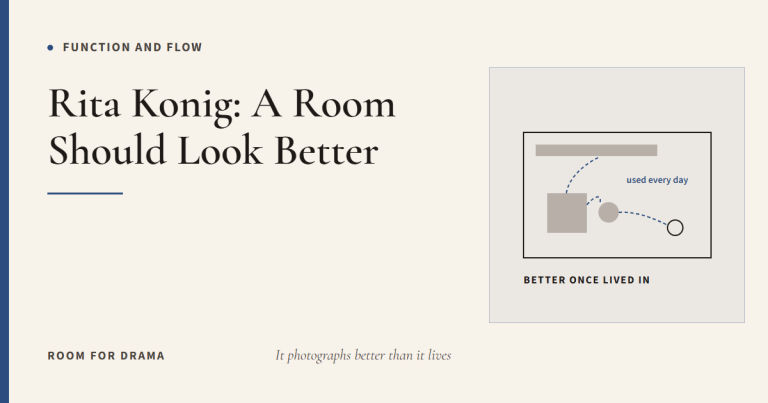
Rita Konig is worth studying because her rooms become more convincing in use: practical relationships, collected objects, comfort, pattern, and enough looseness for life…
Furniture and Scale
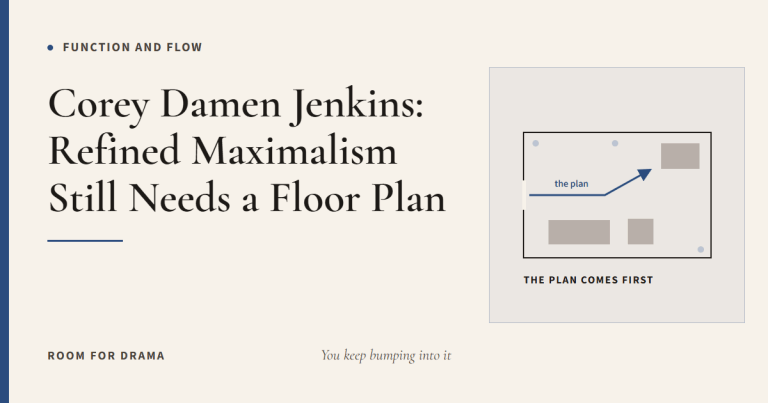
Corey Damen Jenkins is useful to study because his maximalism is supported by a disciplined skeleton: architecture, layout, repetition, scale, tailoring, and editing.
Materials, Color & Finish
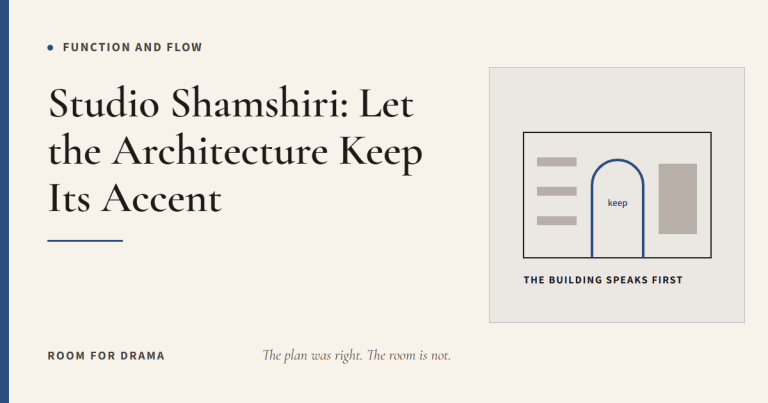
Studio Shamshiri is useful to study because its rooms separate architectural character from inherited inconvenience, allowing old and new to coexist without fake continuity.

Materials, Color & Finish
Roman and Williams is useful to study because its rooms feel built before styled: architecture, substantial materials, light, furniture, and craft carry the atmosphere…
Furniture and Scale
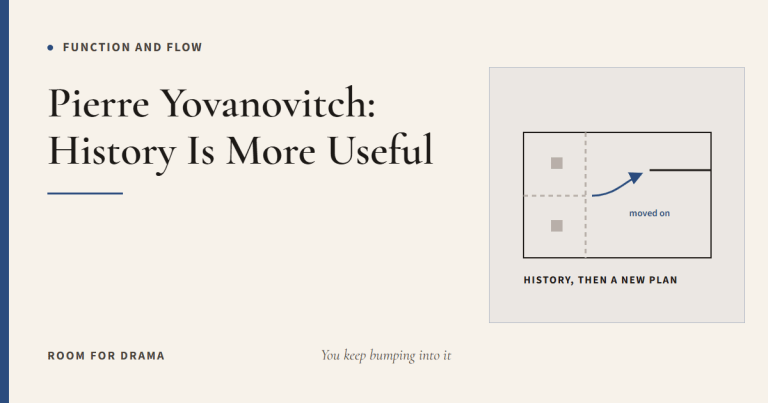
Pierre Yovanovitch is useful to study because his work separates historic character from obsolete function, allowing old architecture and contemporary life to coexist without…
Furniture and Scale
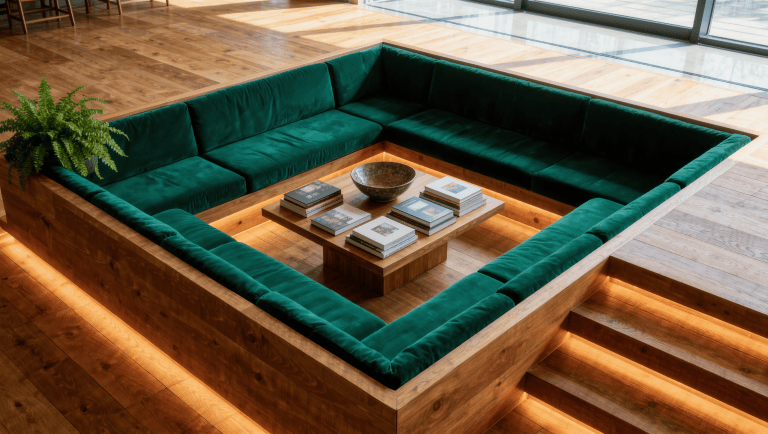
A sunken lounge can create intimacy and drama, but the level change has to work as circulation, seating, lighting, and architecture—not a surprise step…
Furniture and Scale
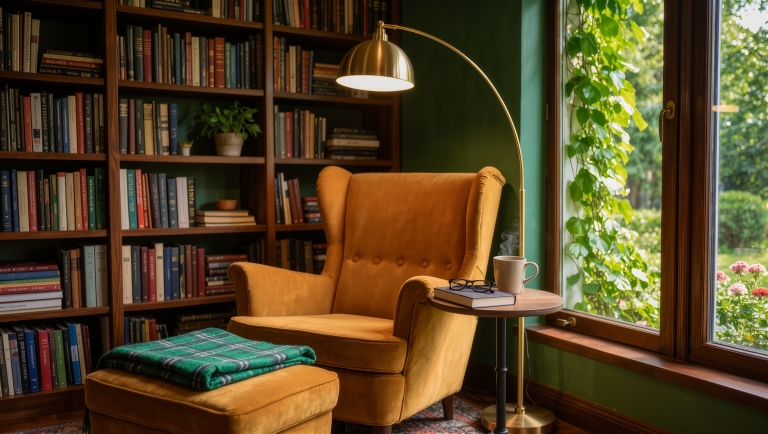
A reading chair becomes a real zone only when the light, side surface, view, circulation, and book storage support the behavior. Design the whole…
Furniture and Scale
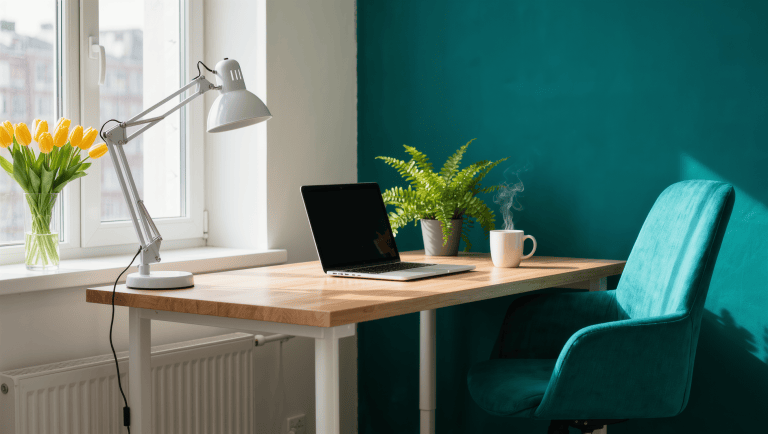
Desk direction affects glare, distraction, privacy, camera views, door awareness, and circulation. Choose the orientation by the work problem you need to solve instead…

Awkward Spaces
A wide hallway can support seating, storage, books, art, or a pause point without becoming an obstacle course. Start with the circulation lane, then…
Awkward Spaces
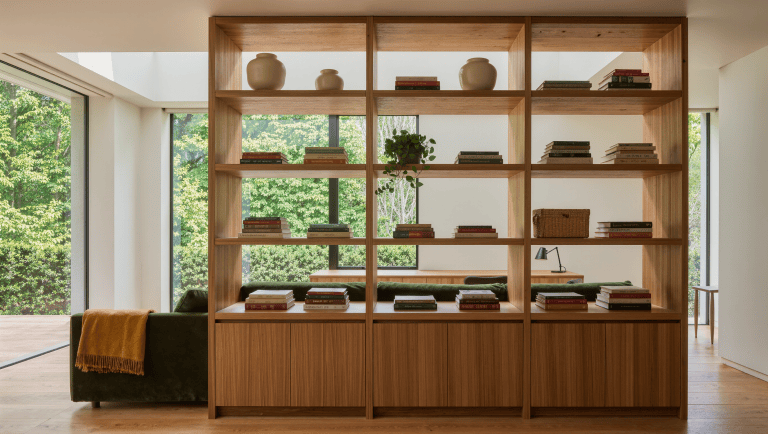
A divider in a large room should solve more than one problem. Use shelving, storage, screens, consoles, or furniture backs to create separation without…
Awkward Spaces
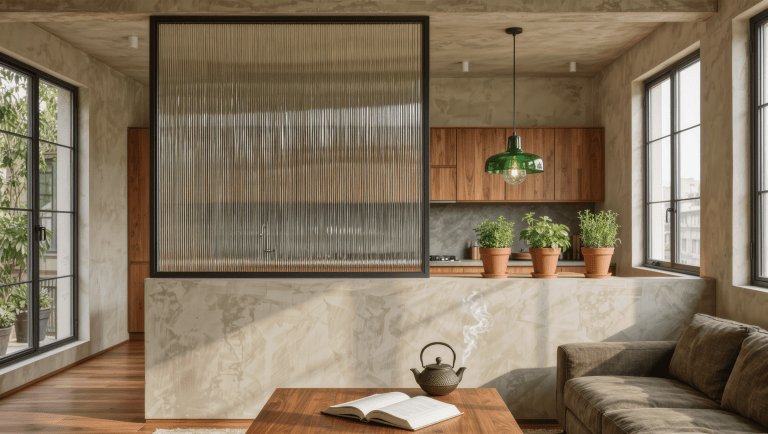
When a huge open plan needs more privacy or structure, a half wall, glazed partition, or partial enclosure can restore boundaries while preserving light…
Awkward Spaces
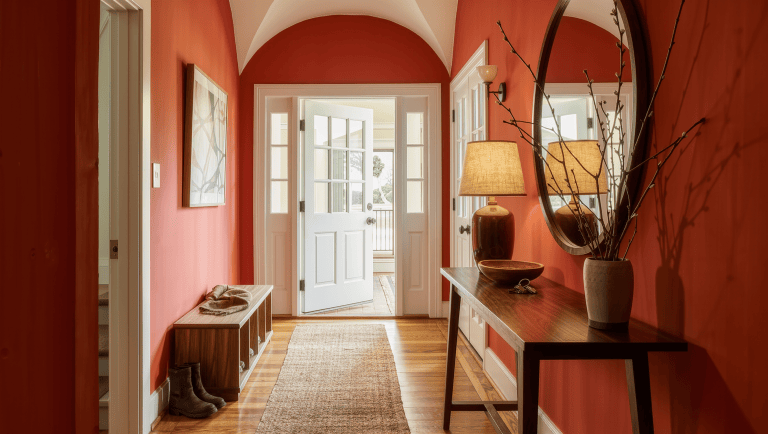
A large entry hall needs a clear arrival sequence, useful landing zone, strong sightline, and generous circulation—not furniture added simply because the foyer can…
Awkward Spaces
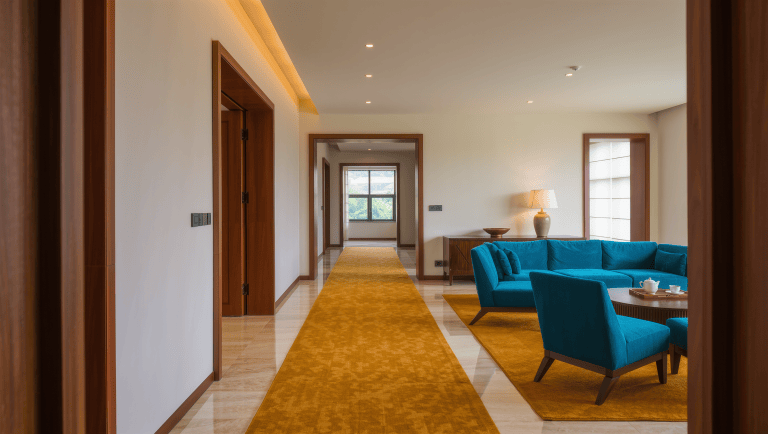
A large room with too many doors can feel impossible to furnish because movement cuts through every arrangement. Establish a primary traffic spine, then…

Light and Atmosphere
A dramatic high-volume room can be visually warm and physically uncomfortable. Fix the actual comfort system: air movement, glazing, drafts, shade, and occupied-zone heating.
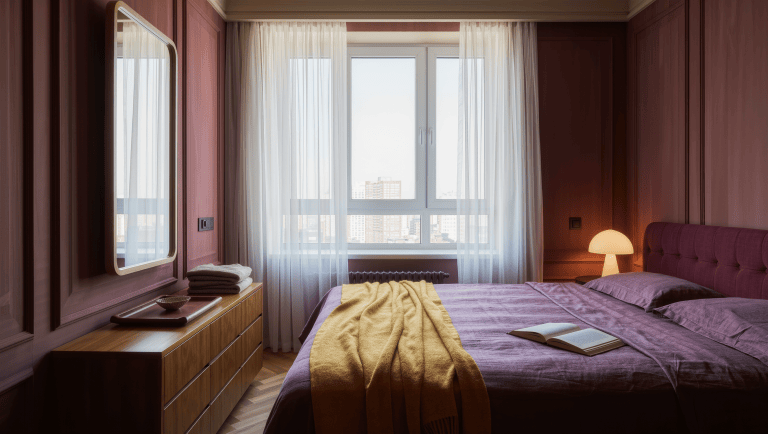
Awkward Spaces
The foot of the bed can hold storage, dressing space, a narrow desk, circulation, or nothing at all. Choose by clearance and daily routine…

Awkward Spaces
A huge room usually needs clearer paths, anchors, and zones before it needs another chair. Map the spatial system first, then furnish what actually…
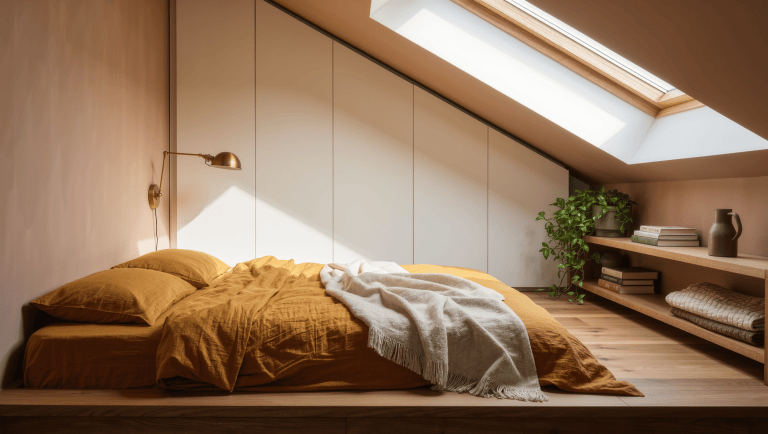
Awkward Spaces
Sloped ceilings work best when low functions move to the perimeter and standing functions move inward. Use furniture height, circulation, lighting, and visual lines…

Furniture and Scale
Use curves, arches, rounded furniture, scalloped details, and softer transitions where they improve circulation, sightlines, comfort, or visual rhythm—not simply because curved forms are…
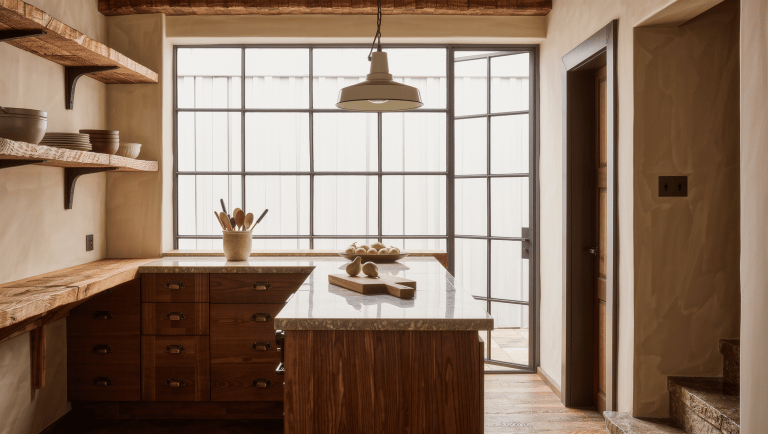
Materials, Color & Finish
Use reclaimed wood, vintage hardware, reused stone, architectural salvage, and repurposed furniture where the material improves function, texture, history, or durability—not simply to perform…
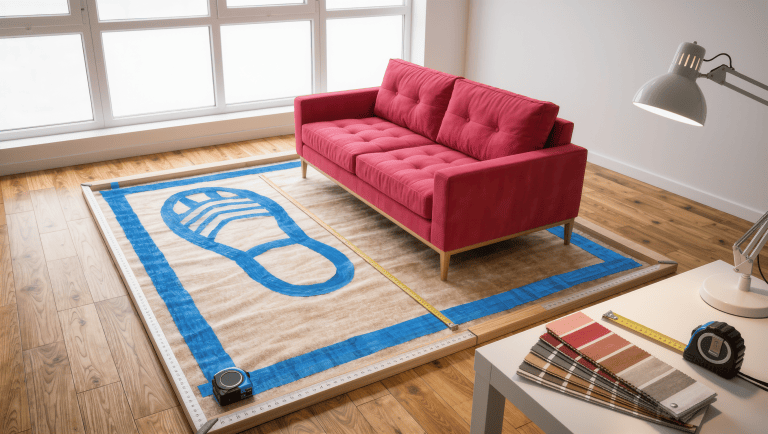
Furniture and Scale
Use AI interior-design images and 3D room planners to test layouts, scale, color direction, and alternatives while verifying dimensions, circulation, materials, lighting, and real-world…
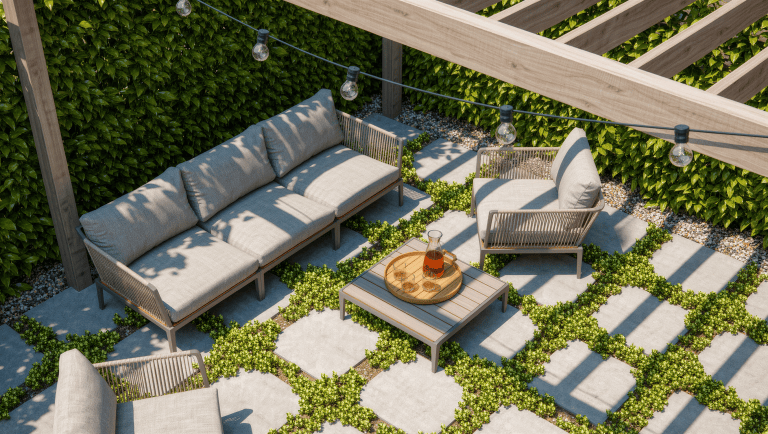
Outdoor Rooms
Plan a permeable patio that manages water without sacrificing furniture stability, circulation, comfort, maintenance, or the visual coherence of an outdoor room.
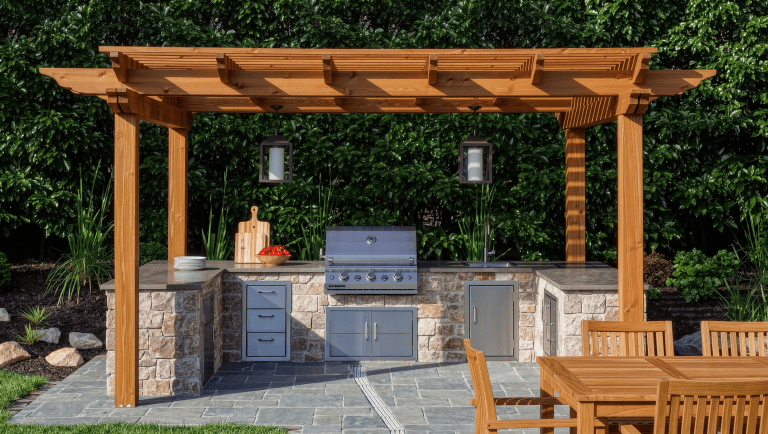
Outdoor Rooms
Plan an outdoor kitchen around circulation, landing space, storage, shade, utilities, weather, seating, cleanup, and service routes before choosing appliances.
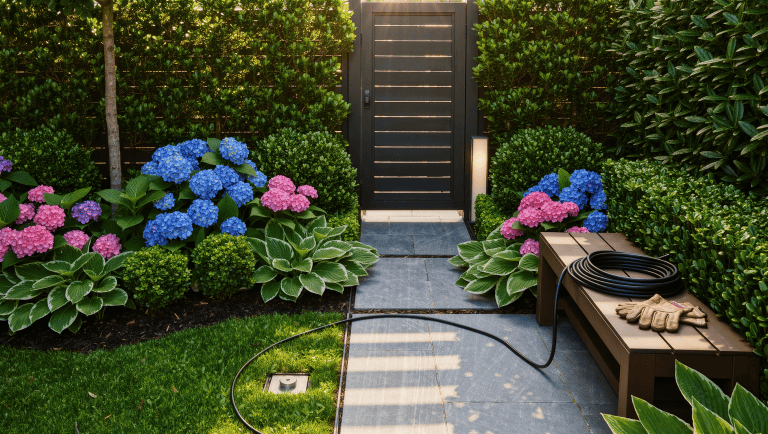
Outdoor Rooms
Plan irrigation around plant zones, water pressure, maintenance, seasonal shutdown, visible hardware, and the way people move through and use the landscape.
What is wrong with it
Not sure which of these it is? Say it in your own words instead, or read the room properly and let it tell you which one is doing the most damage.